



In Naples, a graduation is never a private affair: it's a neighbourhood celebration. Here's how to choose an original...
Latest posts
-
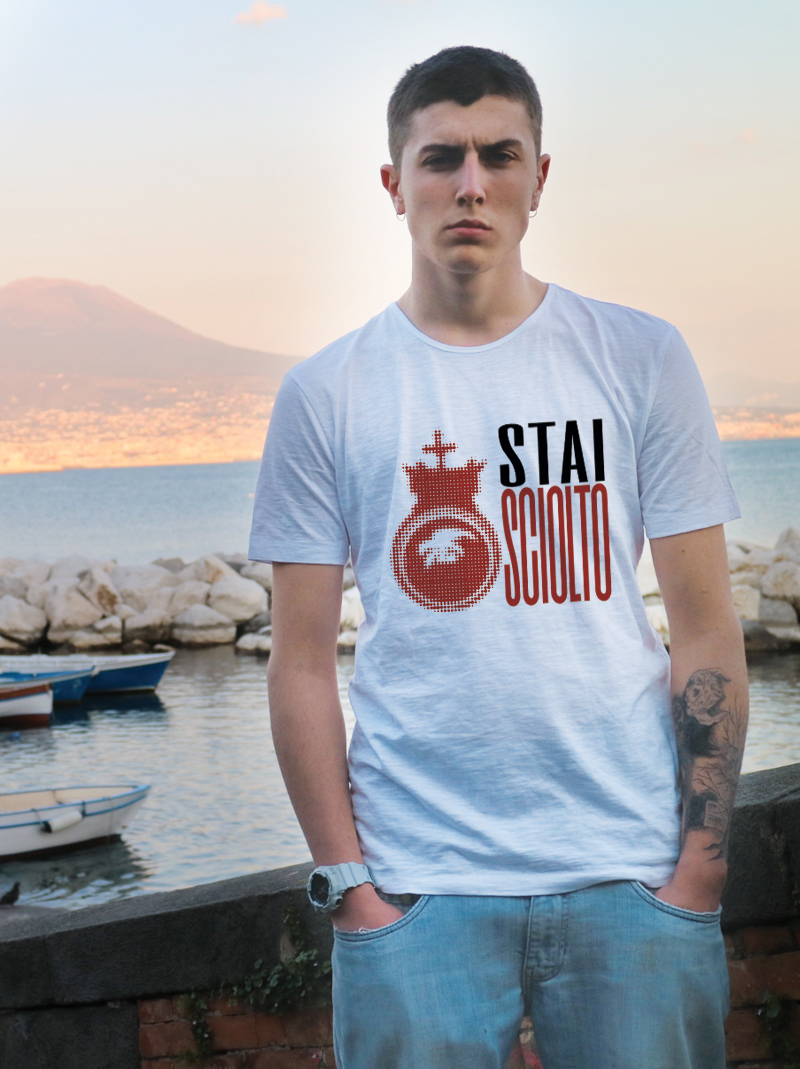 Original Neapolitan graduation gift: ideas for the graduate (him and her)Read more
-
 Asso 'e mazze: meaning and history of the Neapolitan ace of clubsRead more
The strongest card on the green table becomes, in Naples, the most elegant way to say who really calls the shots....
-
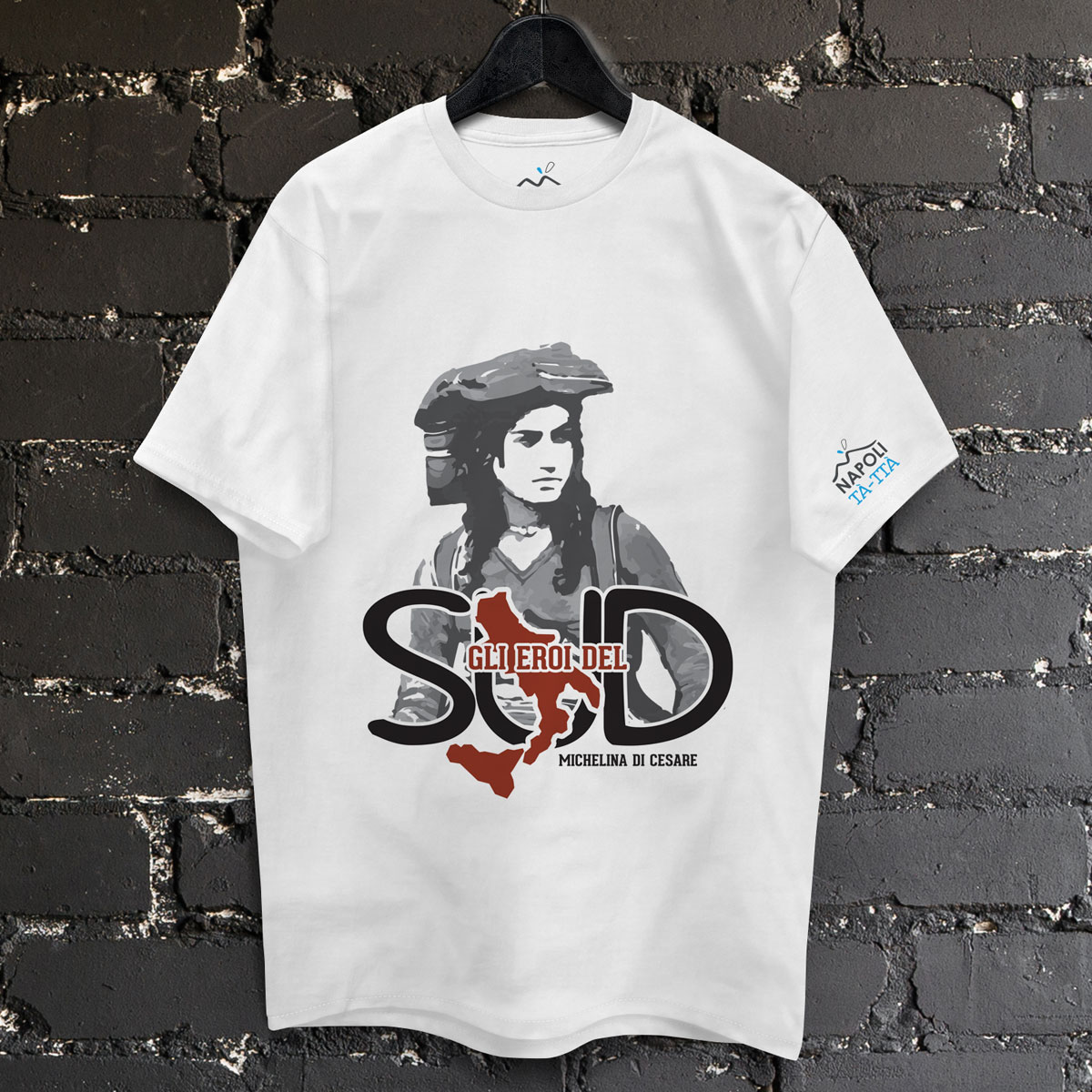 Michelina Di Cesare, the brigantessa who defied a kingdomRead more
Born poor in Terra di Lavoro, Michelina Di Cesare chose the maquis and the rifle against a newly united Italy. A...
-
 Neapolitan Hoodies: The Autumn 2026 Style GuideRead more
When the air turns crisp, in Naples people don't just reach for a hoodie: they reach for a piece of identity. Here's...
-
 Maradona Stadium: City Council allocates €50 million for Euro 2032Read more
The City Council has allocated €50 million for the redevelopment of the Diego Armando Maradona stadium, ahead of...
-
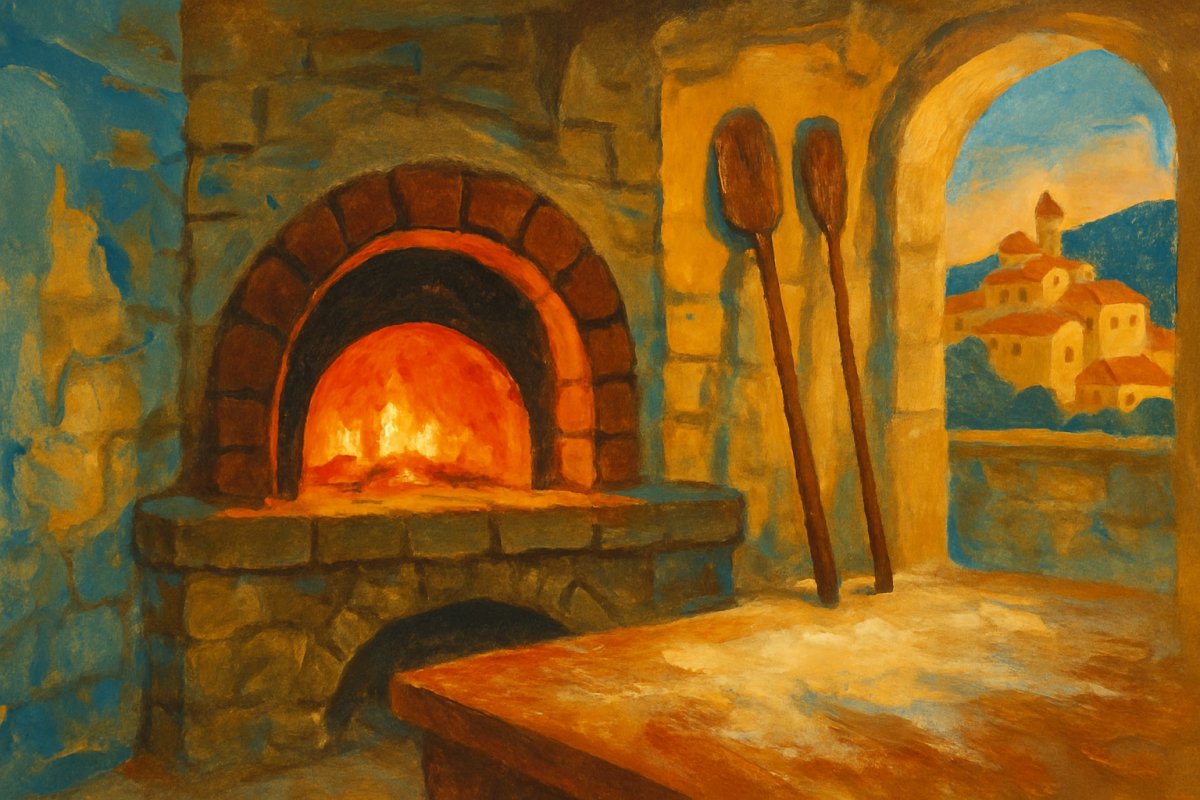 Pizza Maxima 2026: Franco Pepe Is Once Again Best Pizzeria in ItalyRead more
At the fifth edition of Pizza Maxima, the Oscars of Italian pizza, Franco Pepe confirms his title as Best Pizzeria in...
-
 ‘L’acqua è poca e ‘a papera nun galleggia’: what it meansRead more
When the means are few, so is the result. Let's discover the most realistic Neapolitan saying there is.
-
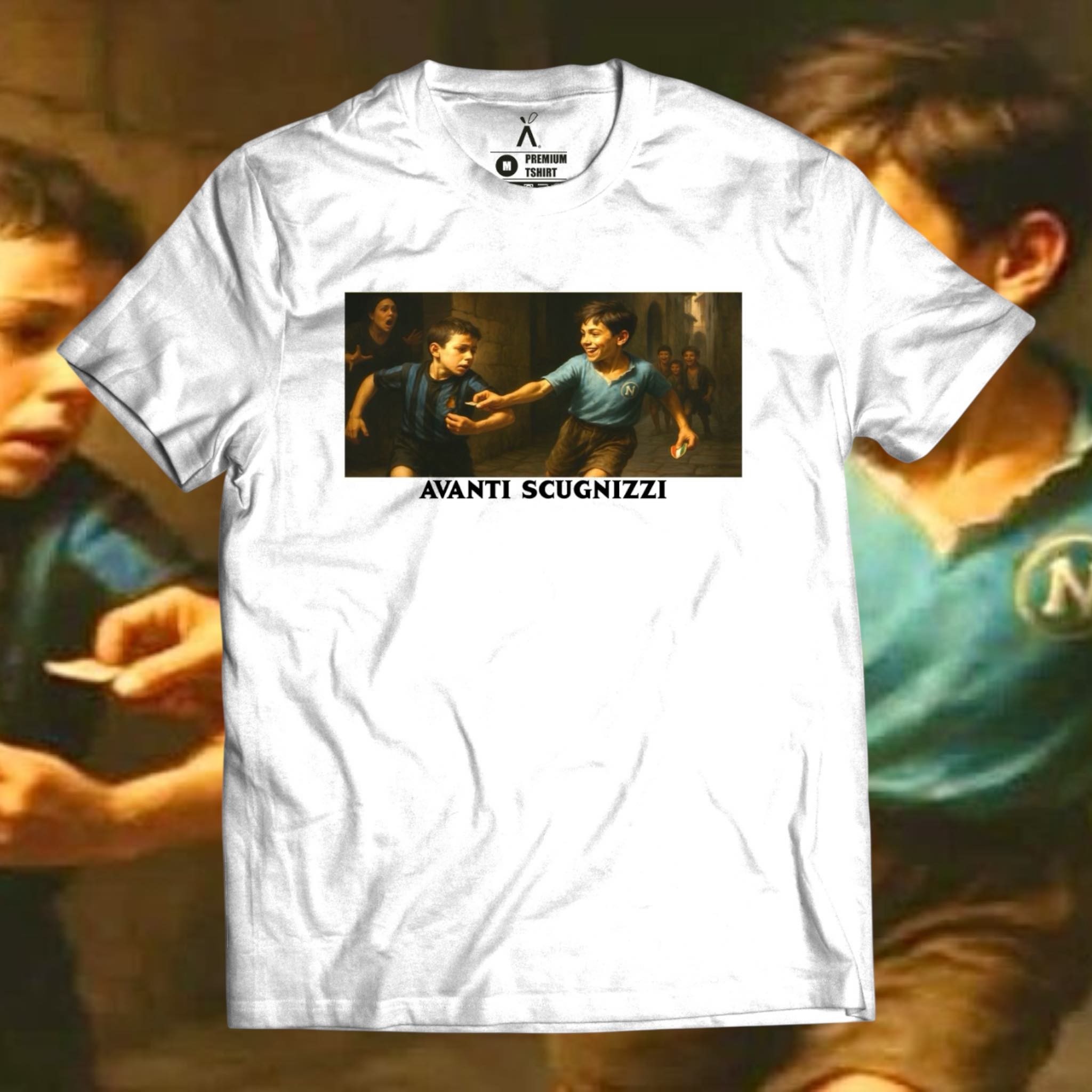 Avanti Scugnizzi: the story of the year's most loved T-shirtRead more
One word, ‘scugnizzo’ (Neapolitan street kid), and it holds the whole of Naples inside it. We tell you how the year's...
-
 'Chi chiagne fotte a chi ride': what it means and why it's truer than everRead more
At the market, at the counter, in the family: there's always someone who complains and gets more. It's the sharp...
-
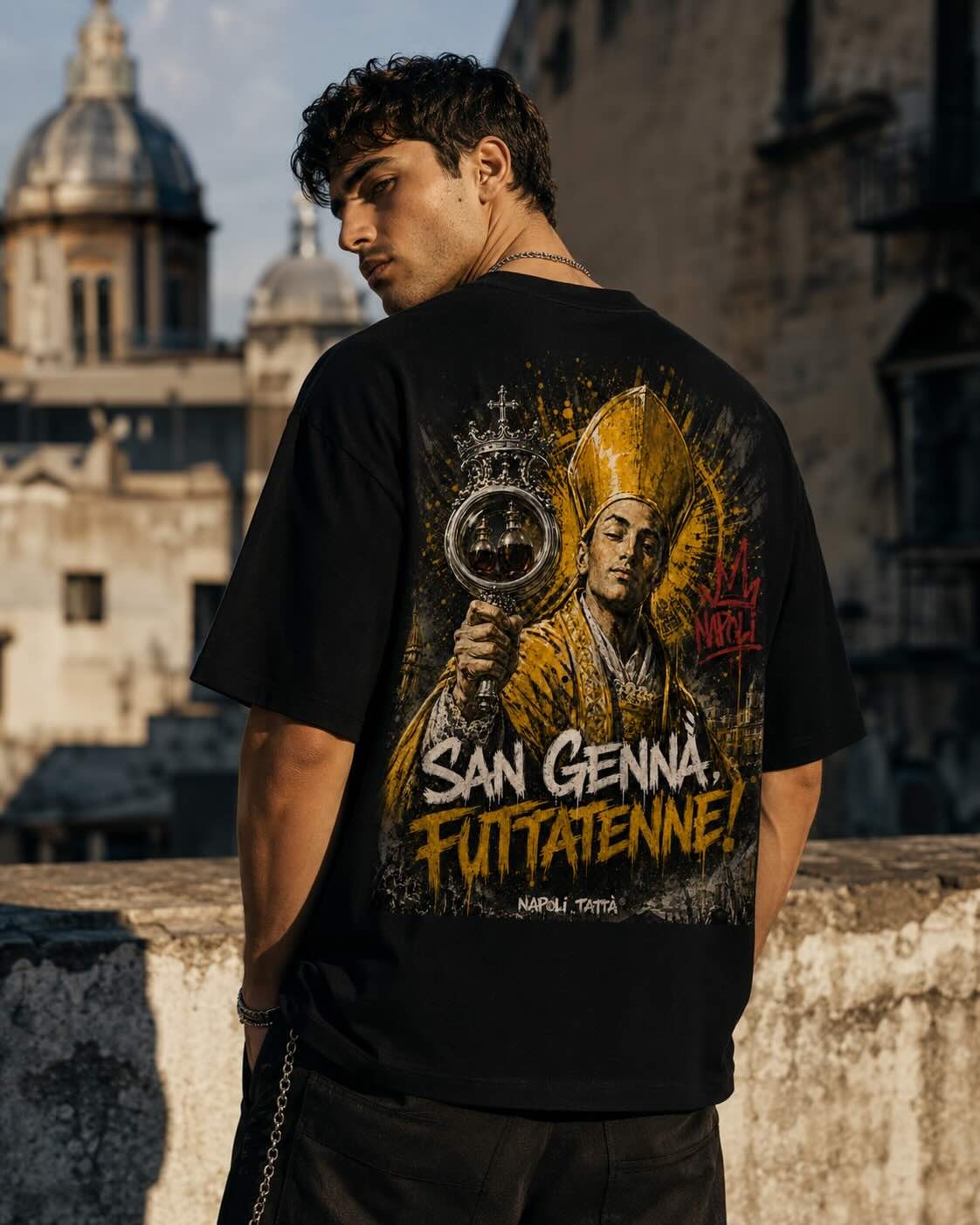 San Gennà, futtatenne! (Saint Januarius, don't worry about it!) San Gennaro, 19 September and the patron saint's t-shirtRead more
Who San Gennaro was, the miracle of the blood that liquefies, and the feast on 19 September. Plus that close,...
Blog categories
Search in blog
Archived posts
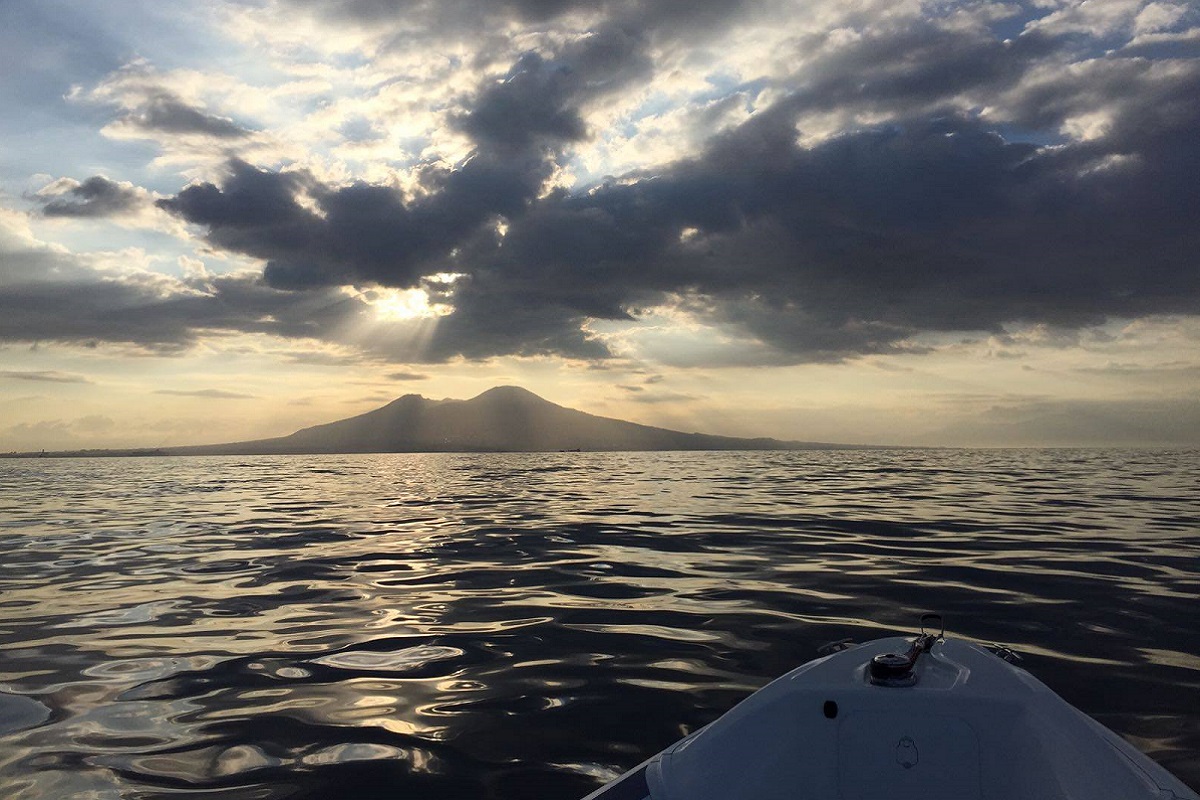
A day trip out of town: the best places to fish in Naples
Naples, a city of sailors, artists and pizza makers, counts among its oldest passions that of sailing and the sea, and so it comes as no surprise that it has a deep-rooted tradition of Neapolitan fishermen.
by Alessia Giannino
We first interviewed a young Neapolitan sport fisherman, Dario Monaco, who has turned the sea into both his passion and his job, working as a collaborator for the public body responsible for monitoring and safeguarding the sea; then we moved on to Lorenzo Esposito, a keen spearfisherman, so devoted to the sport that he even competes at a professional level.
Dario began by dividing fishing into three great worlds: freediving, shore fishing and boat fishing. With him we talked about the last of these, but before he started telling us about his passion, his expression changed and he stated firmly: “A true fisherman respects the sea, its creatures and their rate of reproduction, never exploiting these resources for purely economic gain, releasing any prey that isn't edible. Anyone who behaves otherwise is a poacher or a scoundrel”.
The interview with Dario Monaco (boat fishing)
Dario, tell me something about this passion of yours.
«The geomorphology of the Gulf of Naples has a distinctive coastal shape: in fact, the presence of seasonal currents and a seabed that drops to over 1000 metres, sometimes just a few miles from the coast, offers sport fishermen endless spots to pursue all sorts of prey as the seasons change. The sport fisherman devotes himself to one type of fishing rather than another as the seasons turn, precisely because it is the seasons that determine the presence or absence of certain fish species».
Can you give me some examples?
«Of course, on the night between Friday and Saturday I spent a few hours squid fishing near Pozzuoli, while just before Christmas I was fishing for dentex and amberjack in the waters off Ischia, using a technique known as “Traina con il Vivo” (live-bait trolling). I never fish according to my own taste, but follow the seasonality of the species, adapting to whatever the sea has to offer at any given time».
What's your favourite technique? And above all, what are the best places to practise it?
«Definitely offshore trolling. This technique involves using artificial lures (there are countless varieties and brands available on the national and international market) trolled at a sustained speed, over a distance of 5-9 nautical miles, and it's specifically aimed at catching large pelagic species such as tuna, albacore or needlefish, which swim far from our coasts. It's a fairly extreme way of fishing, precisely because of that great distance from the coast, which often gradually disappears from view altogether, and where the sun and the dolphins reign supreme. It's a technique that requires sailing experience and skill in choosing the right lures: when you think about it, a 12-16 centimetre lure is barely more than a needle in a haystack, given the vastness of the sea. One of the best areas to try this technique is the stretch of sea off Capri and Ischia, but safety comes first! There are no corner shops out at sea, and the reliability of the boat is essential. Another technique is the so-called “deep bolentino” (deep-water handline fishing), which allows you to catch large groupers and bream near shoals and underwater canyons in the waters off Ischia, Capri, the Amalfi Coast and the sadly notorious Secca delle Vedove (Widows' Shoal)».
Dario's passion is clearly very strong indeed, so much so that he goes on to tell me countless anecdotes about fishing…
«A fisherman can find himself in epic battles with the massive Bluefin Tuna, just a few hundred metres from Mergellina, where large shoals of this magnificent fish pass through and which, strictly following restrictive EU regulations, can only be fished in late spring. Specimens weighing over 200 kg are not uncommon, and sometimes end up being hooked during a tuna fishing trip using the Drifting technique. This is a huge technical and physical challenge for any saltwater fisherman, putting both the gear and the teamwork of the fishermen aboard the same boat to the test during the fight».
He could probably talk for days. Each technique has countless details and subtleties to explore, but let's hand over to Lorenzo Esposito, who practises another type of fishing altogether: spearfishing, which he also does competitively.
The interview with Lorenzo Esposito (spearfishing)
Lorenzo, spearfishing is certainly different from boat fishing. What techniques are used?
«There are essentially five: the ambush, the den, the wait, the razzolo (bottom scouring) and the fall. The first is one of the most important techniques, but also one of the most dangerous if you don't have the right experience. It's the hunting technique and, unlike the others, requires a great many precautions. It can be used from the shallowest depths to the deepest. Den fishing, on the other hand, aims to catch certain species whose habitat is precisely the dens found, generally, in underwater rocks. Wait fishing is so called because you hide behind rocks and wait for the fish to swim past you. To practise razzolo you need to build up experience in all the other techniques and develop the instinct to spot prey. You need a good nose for fish. Finally, with the last type, the fisherman free-falls with the speargun aimed and shoots the fish from above, moving down towards it as he goes».
Which technique do you prefer?
«The technique I prefer is whichever one lets me catch the most fish on any given day: this obviously depends on what the sea has to offer that day and on the fisherman's skill in adapting to that particular kind of fishing».
What are the best places for spearfishing? And what do you usually catch?
«During the winter season you usually catch sea bass, grey mullet, striped seabream and white seabream. During the summer season, on the other hand, meagre, wrasse, groupers, dentex and gilt-head bream. There are very few good places left to fish in Naples, because of the protected marine areas. Only one part remains: Forio d'Ischia, from Punta Imperatore to the Scogli degli Innamorati (Lovers' Rocks), a small stretch of Procida, Posillipo and Nisida. I generally fish in these areas, and in summer I go to Cilento, to Acciaroli, Pioppi and Casal Velino».
These are the tips for anyone who loves fishing and wants to spend a different kind of day in Naples.
Posted in:
Places in Naples
Related posts
-
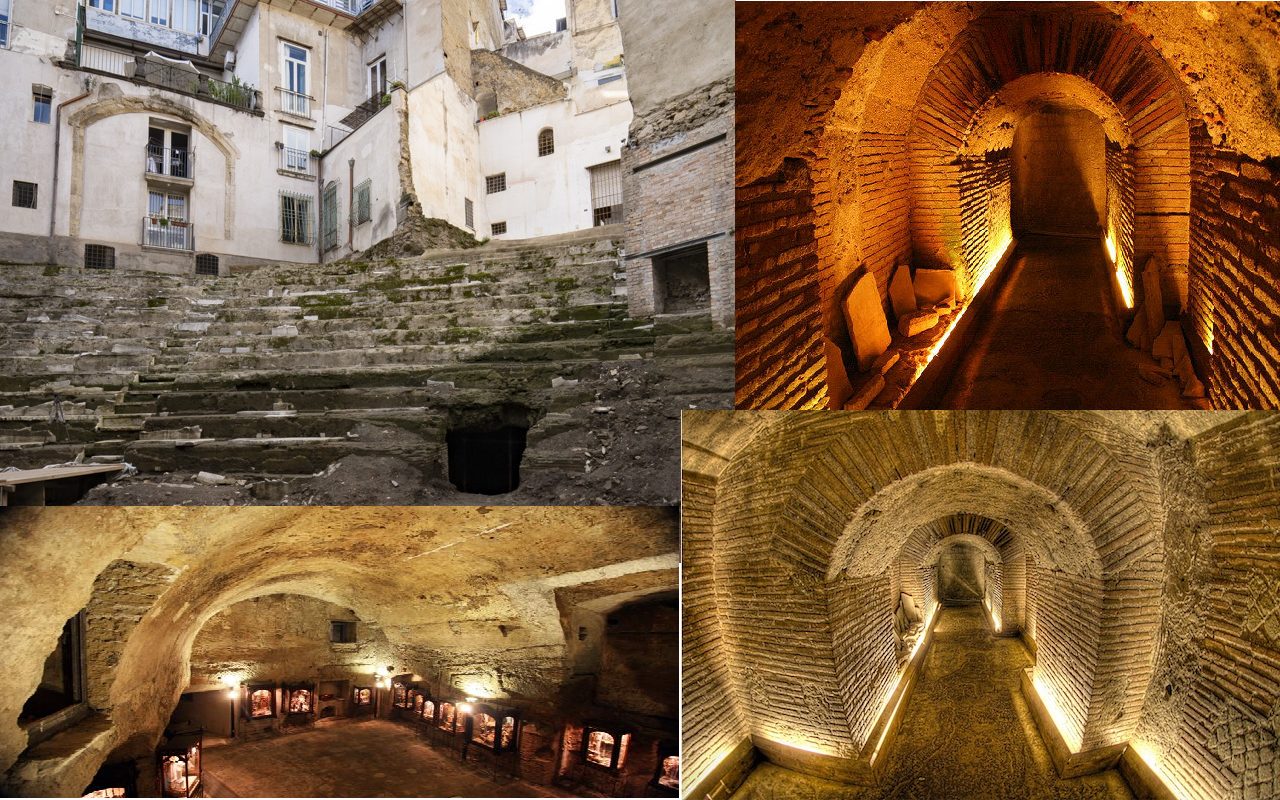 The Roman Theatre of Neapolis
Among the many wonders of Naples' historic centre stands the ancient Roman Theatre of Neapolis, between what are now...Read more
-
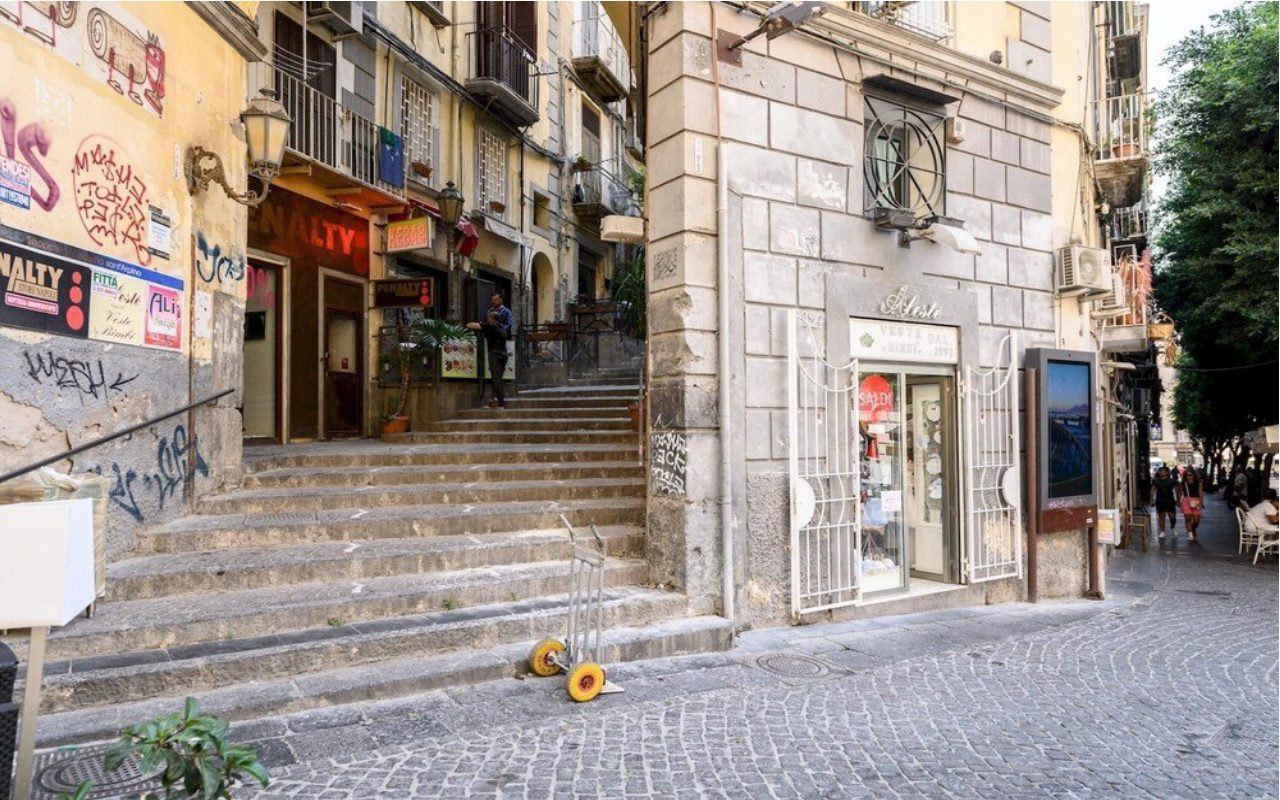 Discover Vicoletto Sant'Arpino: History and Beauty of Naples
There are corners of Naples that tell incredible stories, that take your breath away and make it unique, sincere and...Read more
-
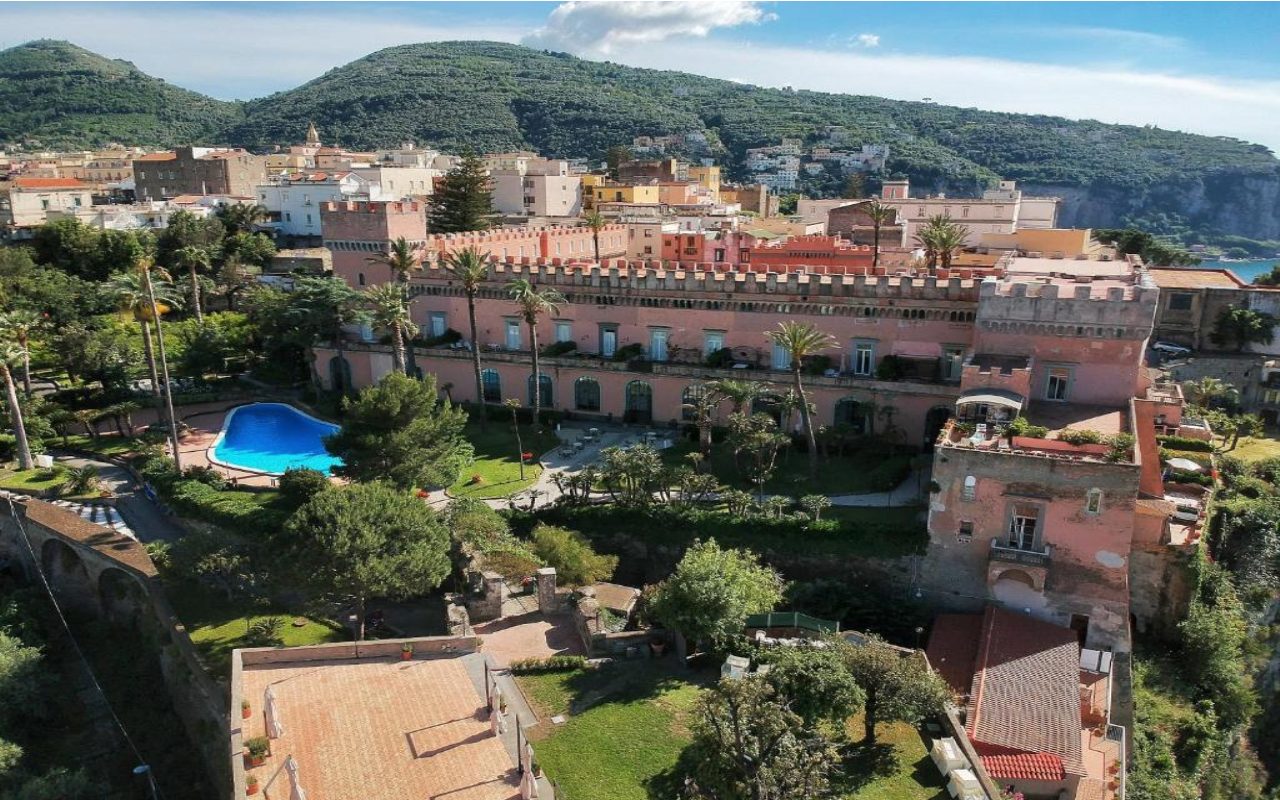 Giusso Castle: the legends of Vico Equense
Built at the end of the 13th century, Giusso Castle was designed as both a military fortress and a residence.Read more
-
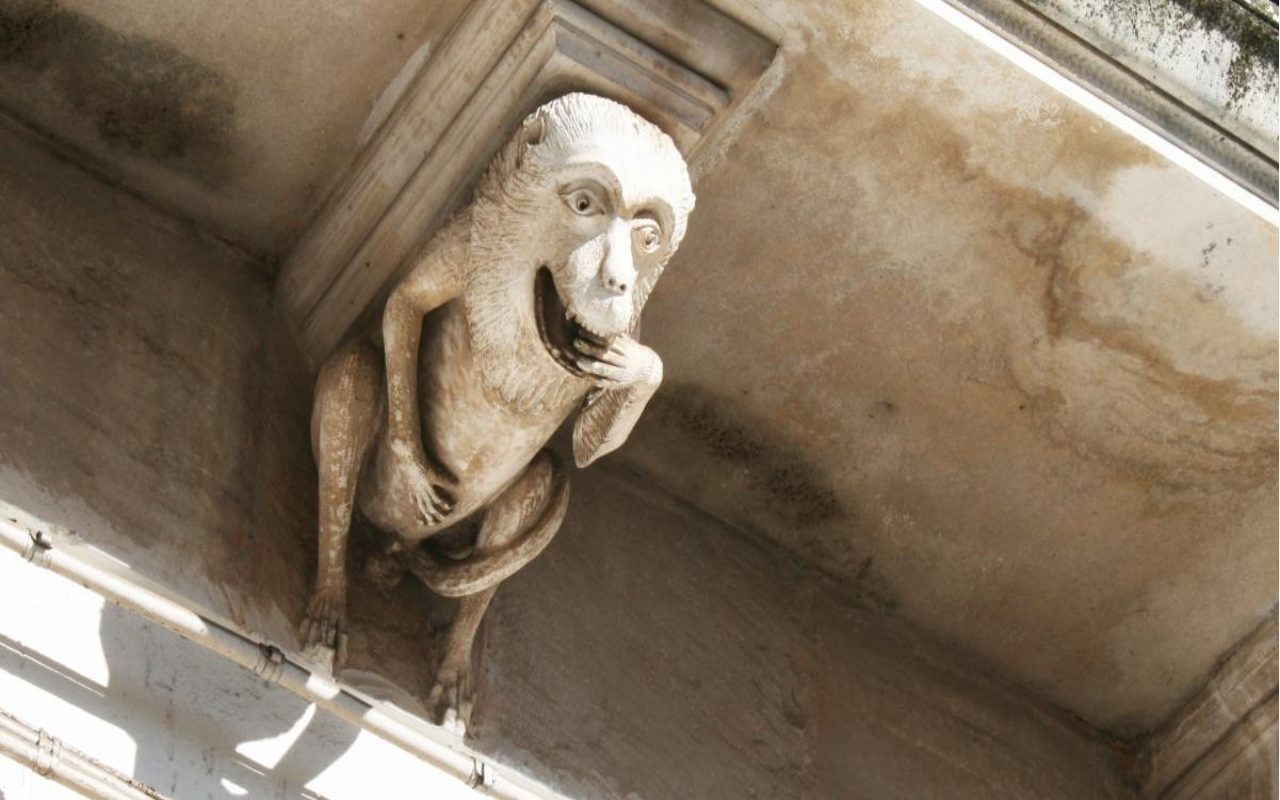 The apotropaic stone masks of lava rock and marble
Neapolitan apotropaic masks are truly fascinating works of art that can be admired on numerous historic buildings...Read more
-
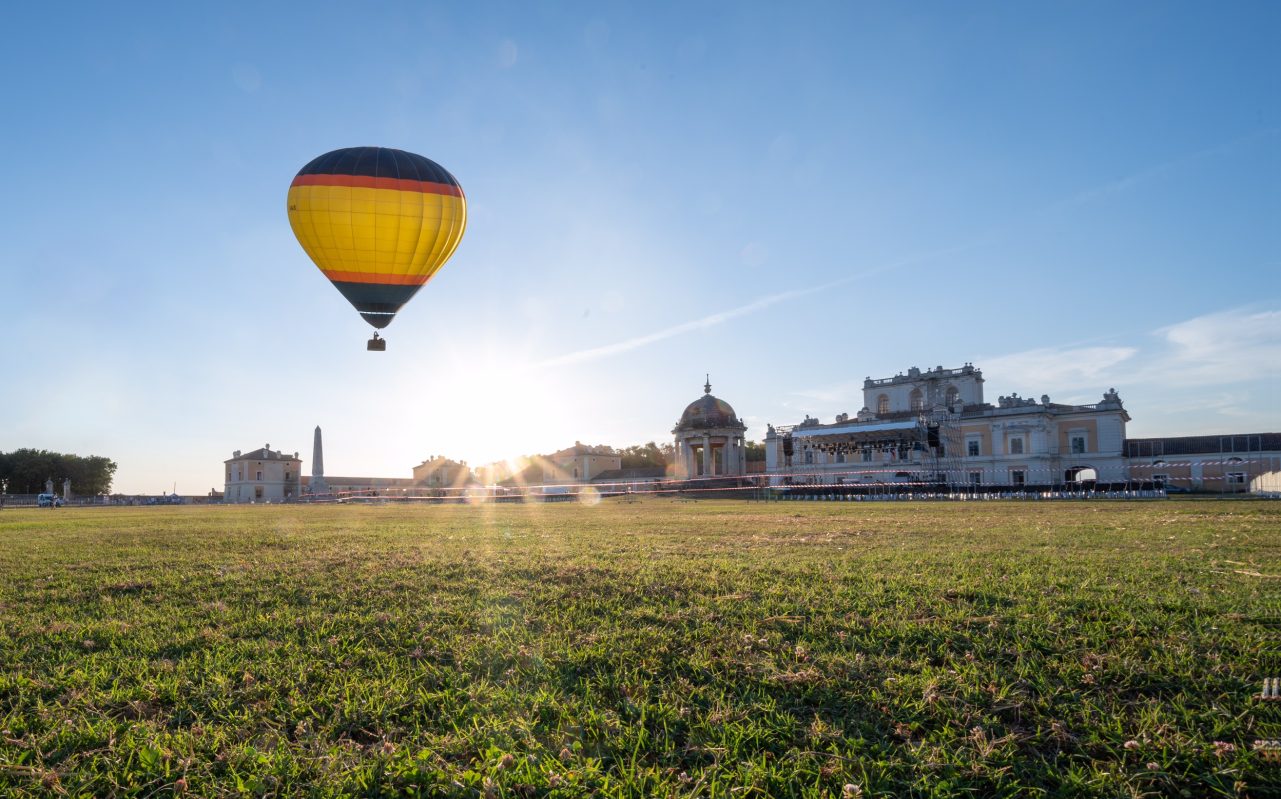 THE ROYAL PALACE OF CARDITELLO
The Tenuta Storica di Carditello (Historic Estate of Carditello), also known as the Reggia di Carditello (Royal...Read more
Leave a comment