



In Naples, a graduation is never a private affair: it's a neighbourhood celebration. Here's how to choose an original...
Latest posts
-
 Original Neapolitan graduation gift: ideas for the graduate (him and her)Read more
-
 Asso 'e mazze: meaning and history of the Neapolitan ace of clubsRead more
The strongest card on the green table becomes, in Naples, the most elegant way to say who really calls the shots....
-
 Michelina Di Cesare, the brigantessa who defied a kingdomRead more
Born poor in Terra di Lavoro, Michelina Di Cesare chose the maquis and the rifle against a newly united Italy. A...
-
 Neapolitan Hoodies: The Autumn 2026 Style GuideRead more
When the air turns crisp, in Naples people don't just reach for a hoodie: they reach for a piece of identity. Here's...
-
 Maradona Stadium: City Council allocates €50 million for Euro 2032Read more
The City Council has allocated €50 million for the redevelopment of the Diego Armando Maradona stadium, ahead of...
-
 Pizza Maxima 2026: Franco Pepe Is Once Again Best Pizzeria in ItalyRead more
At the fifth edition of Pizza Maxima, the Oscars of Italian pizza, Franco Pepe confirms his title as Best Pizzeria in...
-
 ‘L’acqua è poca e ‘a papera nun galleggia’: what it meansRead more
When the means are few, so is the result. Let's discover the most realistic Neapolitan saying there is.
-
 Avanti Scugnizzi: the story of the year's most loved T-shirtRead more
One word, ‘scugnizzo’ (Neapolitan street kid), and it holds the whole of Naples inside it. We tell you how the year's...
-
 'Chi chiagne fotte a chi ride': what it means and why it's truer than everRead more
At the market, at the counter, in the family: there's always someone who complains and gets more. It's the sharp...
-
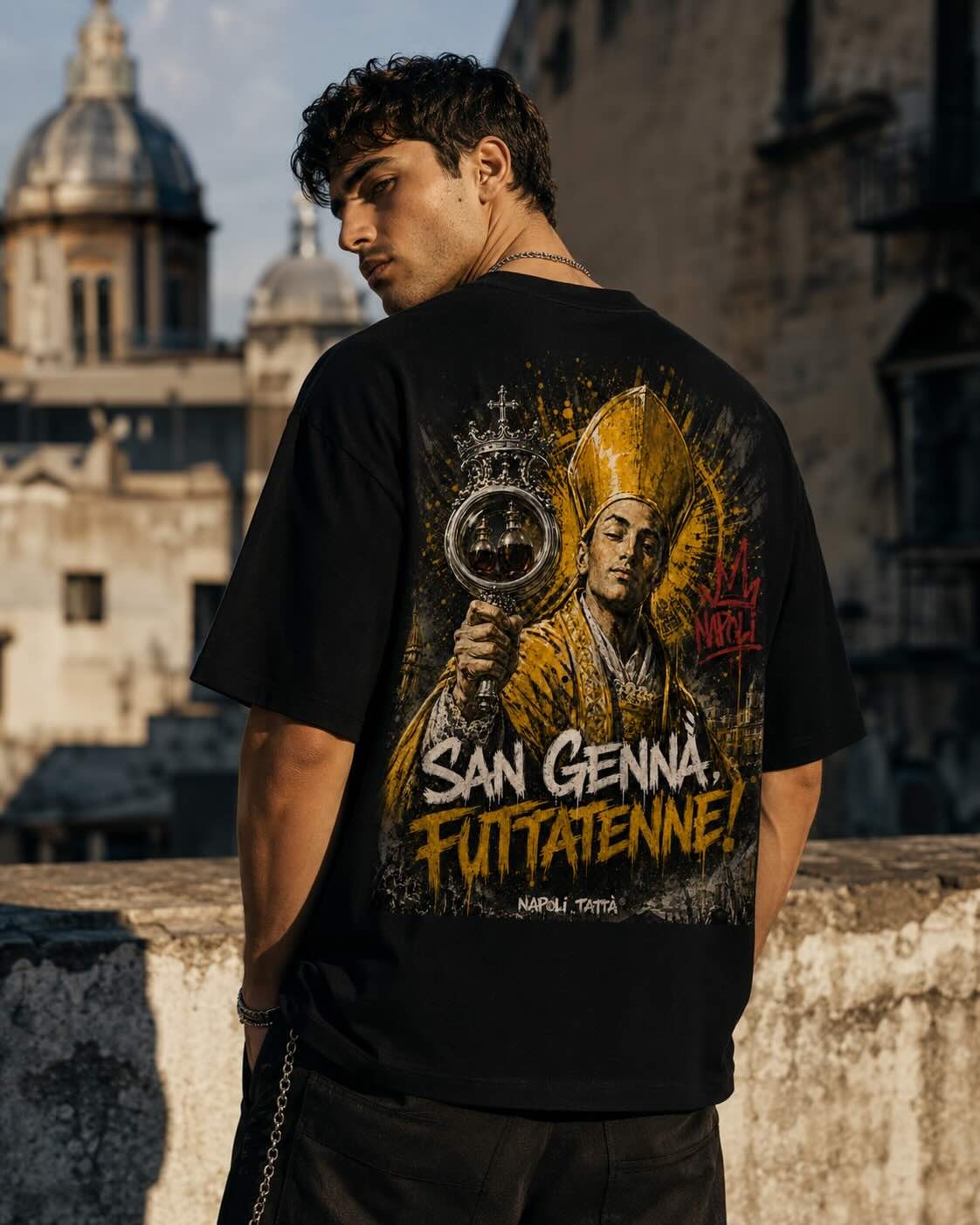 San Gennà, futtatenne! (Saint Januarius, don't worry about it!) San Gennaro, 19 September and the patron saint's t-shirtRead more
Who San Gennaro was, the miracle of the blood that liquefies, and the feast on 19 September. Plus that close,...
Blog categories
Search in blog
Archived posts
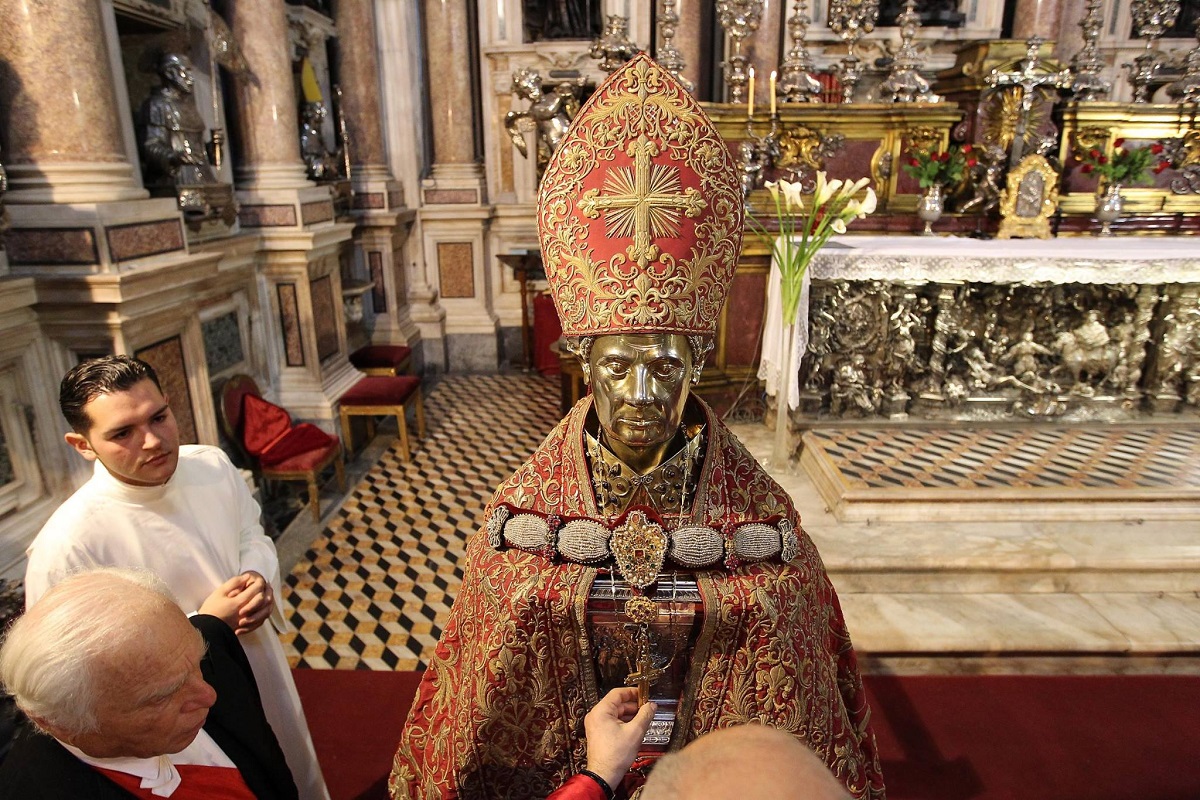
San Gennaro and the Miracle
Gennaro was born in Naples in the second half of the 3rd century, and became Bishop of Benevento, where he carried out his ministry, loved by the Christian community and respected even by pagans.
by Alessia Giannino
He was, however, martyred, because of the anti-Christian persecutions of the emperor Diocletian (the last and most severe of the whole Roman Empire).
He knew, in fact, the deacon Sosso, who led the Christian community of Miseno, and who was imprisoned by the judge Dragonio, proconsul of Campania. Gennaro, upon learning of the arrest, went to the prison together with two friends, to bring his comfort to the deacon; the judge, however, was informed of this and had all three of them arrested as well, provoking the protests of Procolo, the deacon of Pozzuoli, and of two Christian faithful of the same city, Eutiche and Acuzio, who were, in turn, arrested and condemned to die in the amphitheatre torn apart by bears. During the preparations, however, something happened: Dragonio realised that the people loved the prisoners very much and, foreseeing unrest during the execution, changed his mind and had them beheaded on 19 September 305.
The miracles
The Saint is famous, certainly, also for some legendary episodes recounted in the Vatican Acts. One of the best known tells of the arrival of Gennaro and his companions in Nola, where the judge Timoteo caught them proselytising. The decision to inflict imprisonment and torture, however, failed to have any effect, so the man was directly thrown into a blazing furnace, from which, in the same way, he apparently emerged unharmed and without even his clothes being touched by the fire; a stroke of fortune that did not, however, extend to the pagans who were present to witness the punishment, who were literally engulfed by the flames.
Timoteo, meanwhile, fell ill and after being healed by the very same Gennaro, to whom he showed no gratitude, had him taken to the amphitheatre of Pozzuoli, so that he might be torn apart by wild beasts. Along the way, a beggar asked Gennaro for a piece of his garment, to keep as a relic, but Gennaro replied that, after the sentence, he could take the cloth with which his eyes would be blindfolded. As the executioner prepared for the execution, Gennaro raised a finger to his throat to adjust the cloth and, at that very moment, the axe fell, cutting it clean off. That very night, the martyr appeared in a dream to the man who had been tasked with removing the body, and asked him to also collect the finger.
Naturally, these are the tales that belong to "legend", while those described at the outset are of undisputed historical character.
The blood
After the beheading, as was customary at the time, some blood was preserved, collected by a devout woman, Eusebia, who sealed it into two vials; during the transport of the relics of San Gennaro to Naples, the woman handed them, according to her account — though this version is much more recent than the events themselves (it dates to a first publication from 1579) — to the bishop.
As time passed, devotion to the saint spread widely, so the catacomb was also expanded. According to the frescoes, inscriptions, mosaics and paintings found in the underground cemetery, indeed, this devotion was already alive from the 5th century onwards.
The tomb has become a destination for continuous pilgrimages, owing to the great miracles attributed to this mystical figure. In 472, for example, during a violent eruption of Vesuvius, the people of Naples rushed in great numbers to the catacomb to ask San Gennaro to stop the volcano.
The saint has become the patron saint of the city of Naples.
As for the liquefaction of the blood, the first time it happened was as far back as 1389, though it cannot be ruled out that it may have occurred even earlier (there is talk of an identical miracle taking place when the vials of blood were first brought before the saint's head).
The blood liquefies three times a year: the first Saturday of May, on 19 September, the anniversary of the beheading, and on 16 December, the “festa del patrocinio di s. Gennaro” (feast of the patronage of St Gennaro), in memory of the disastrous eruption of Vesuvius in 1631, which was halted, so it is said, precisely after prayers to the saint.
Posted in:
History and legends
Related posts
-
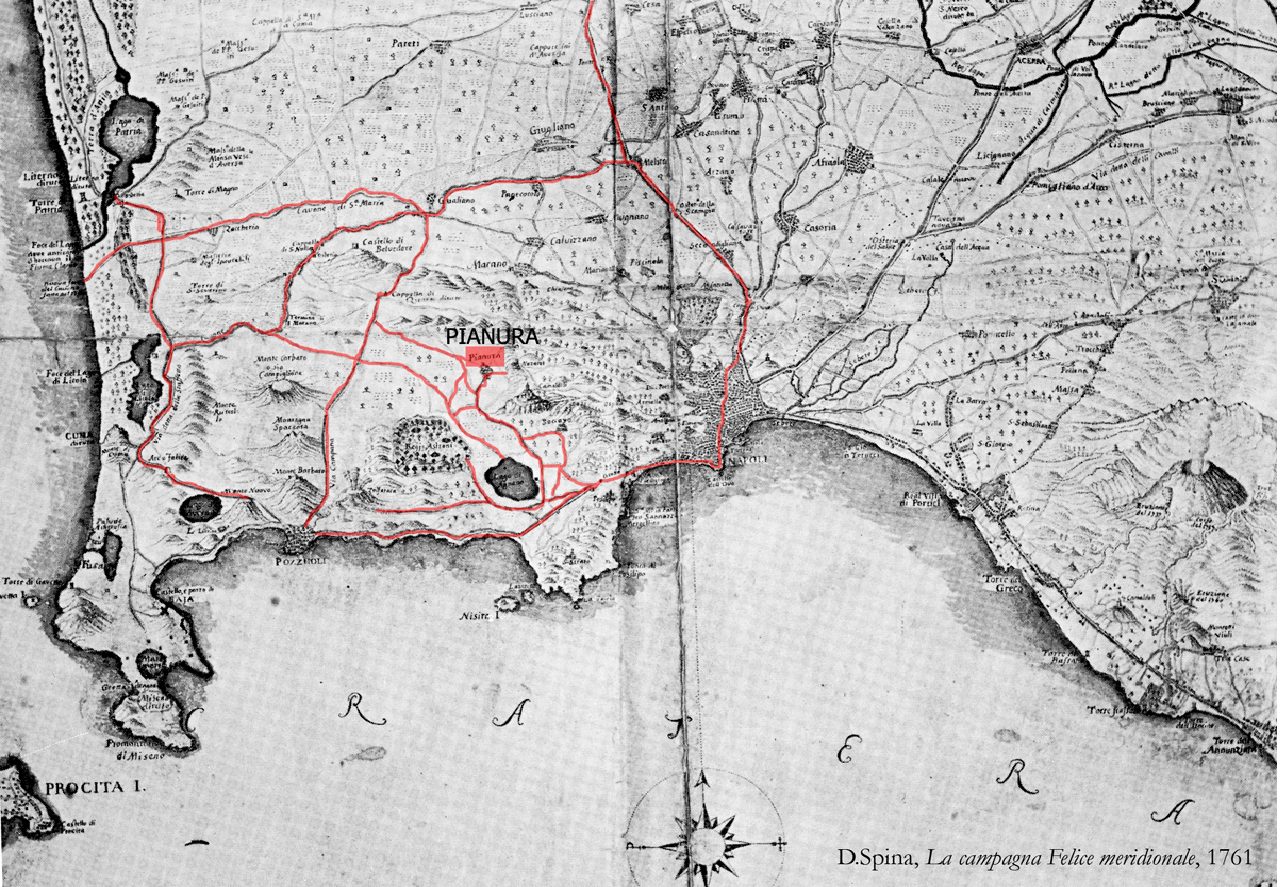 THE 36 CASALI OF NAPLES
This term identified the tiny clusters of farmhouses within the countryside surrounding Naples.Read more
-
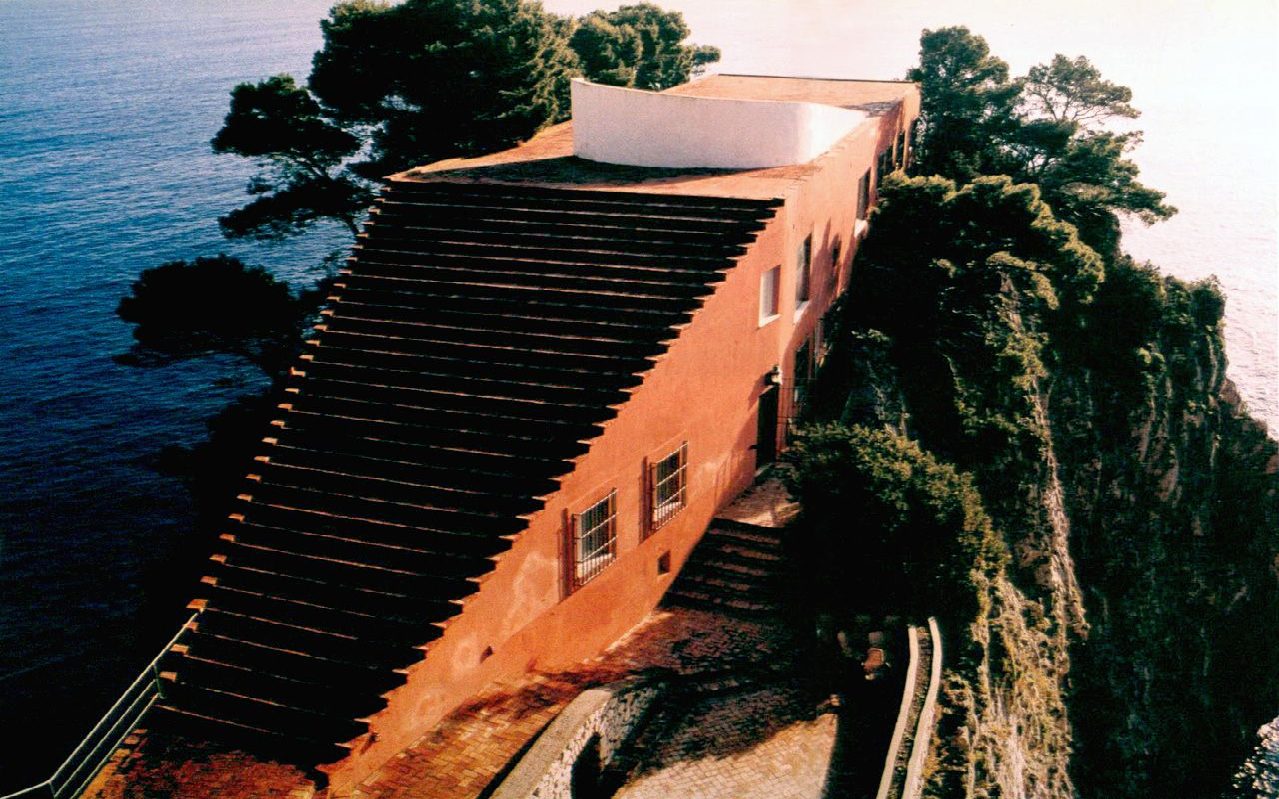 Casa Malaparte - Capri
Built in the 1930s on Capri by the celebrated writer Curzio Malaparte, this villa has always been a coveted spot for...Read more
-
 The Golden Ball Stolen from Maradona
Snatched in 1989 from the clutches of organised crime, its value is estimated to be between 12 and 15 million euros.Read more
-
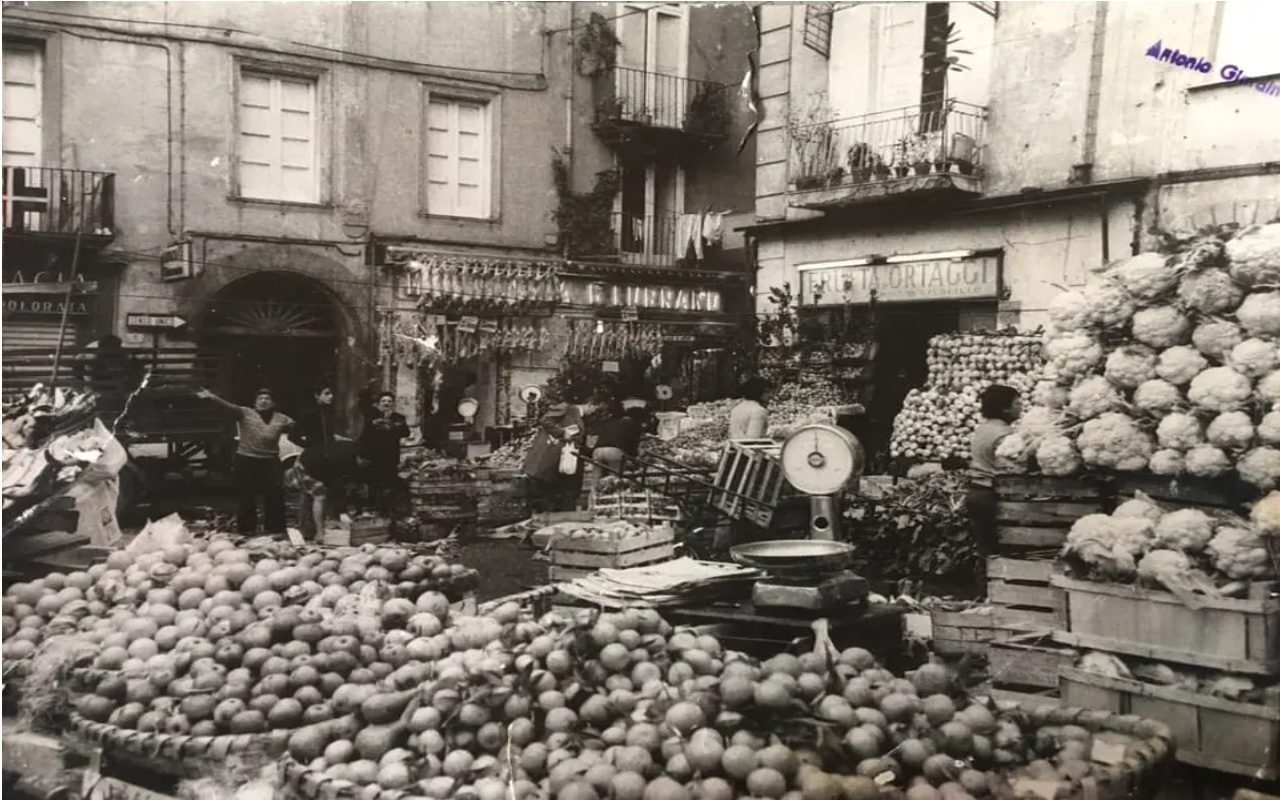 "Pignasecca" and its legend of the thieving magpies
The lively, bustling Naples district known as "Pignasecca" (dry pinecone) is a crowded, picturesque place that...Read more
-
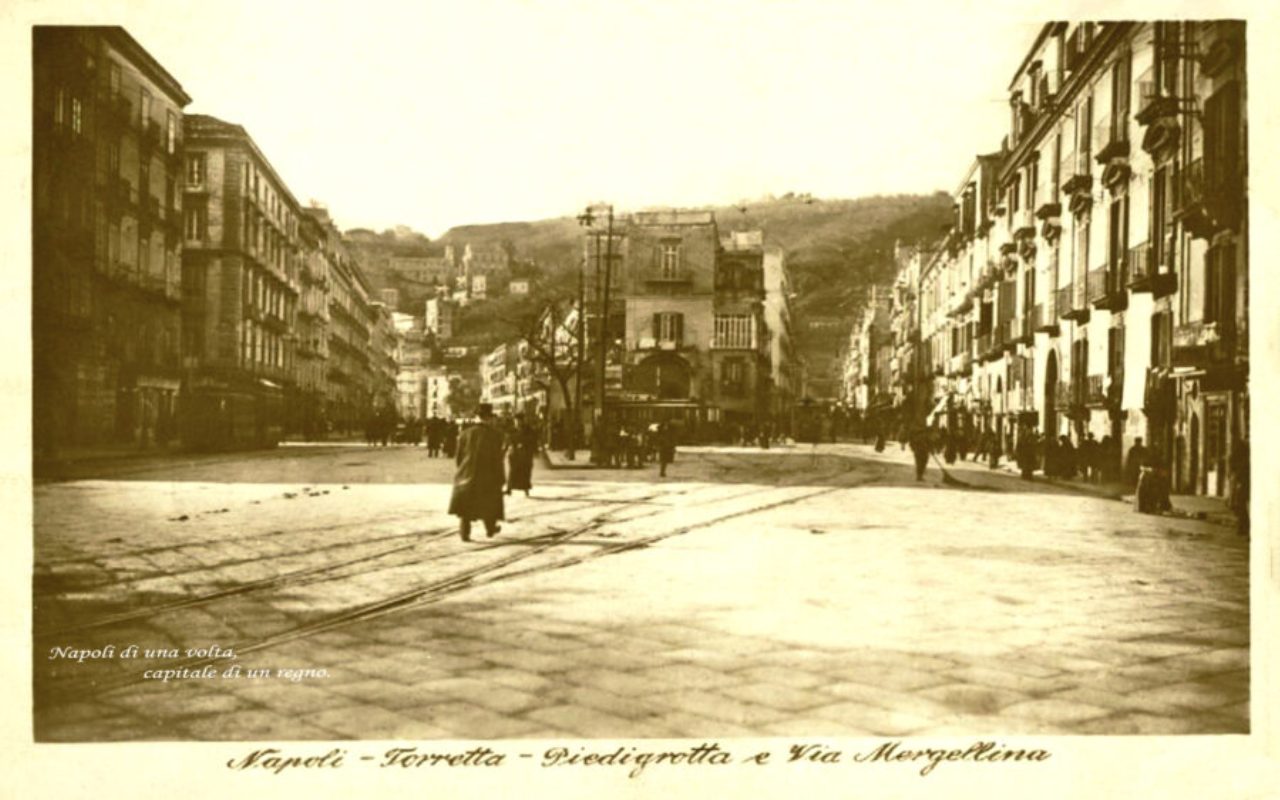 History of the Torretta di Mergellina: A Beacon of Safety
The Torretta was built in 1564 by order of the viceroy, the Duke of Alcalá, to serve as a lookout for maritime raids...Read more
Leave a comment