



Born poor in Terra di Lavoro, Michelina Di Cesare chose the maquis and the rifle against a newly united Italy. A...
Latest posts
-
 Michelina Di Cesare, the brigantessa who defied a kingdomRead more
 -
 Neapolitan Hoodies: The Autumn 2026 Style GuideRead more
When the air turns crisp, in Naples people don't just reach for a hoodie: they reach for a piece of identity. Here's...
-
 Maradona Stadium: City Council allocates €50 million for Euro 2032Read more
The City Council has allocated €50 million for the redevelopment of the Diego Armando Maradona stadium, ahead of...
-
 Pizza Maxima 2026: Franco Pepe Is Once Again Best Pizzeria in ItalyRead more
At the fifth edition of Pizza Maxima, the Oscars of Italian pizza, Franco Pepe confirms his title as Best Pizzeria in...
-
 ‘L’acqua è poca e ‘a papera nun galleggia’: what it meansRead more
When the means are few, so is the result. Let's discover the most realistic Neapolitan saying there is.
-
 Avanti Scugnizzi: the story of the year's most loved T-shirtRead more
One word, ‘scugnizzo’ (Neapolitan street kid), and it holds the whole of Naples inside it. We tell you how the year's...
-
 'Chi chiagne fotte a chi ride': what it means and why it's truer than everRead more
At the market, at the counter, in the family: there's always someone who complains and gets more. It's the sharp...
-
 San Gennà, futtatenne! (Saint Januarius, don't worry about it!) San Gennaro, 19 September and the patron saint's t-shirtRead more
Who San Gennaro was, the miracle of the blood that liquefies, and the feast on 19 September. Plus that close,...
-
 'O purpo se coce int'a ll'acqua soja: what it means (o purpo se coce meaning)Read more
Someone has wronged you, and instead of reacting, you wait in silence with a smile? Here's the Neapolitan proverb...
-
 Cazzimma: meaning, origin and why it can't be translatedRead more
There's a word that explains everything in Naples and can't be translated into any language. It's called cazzimma,...
Blog categories
Search in blog
Archived posts
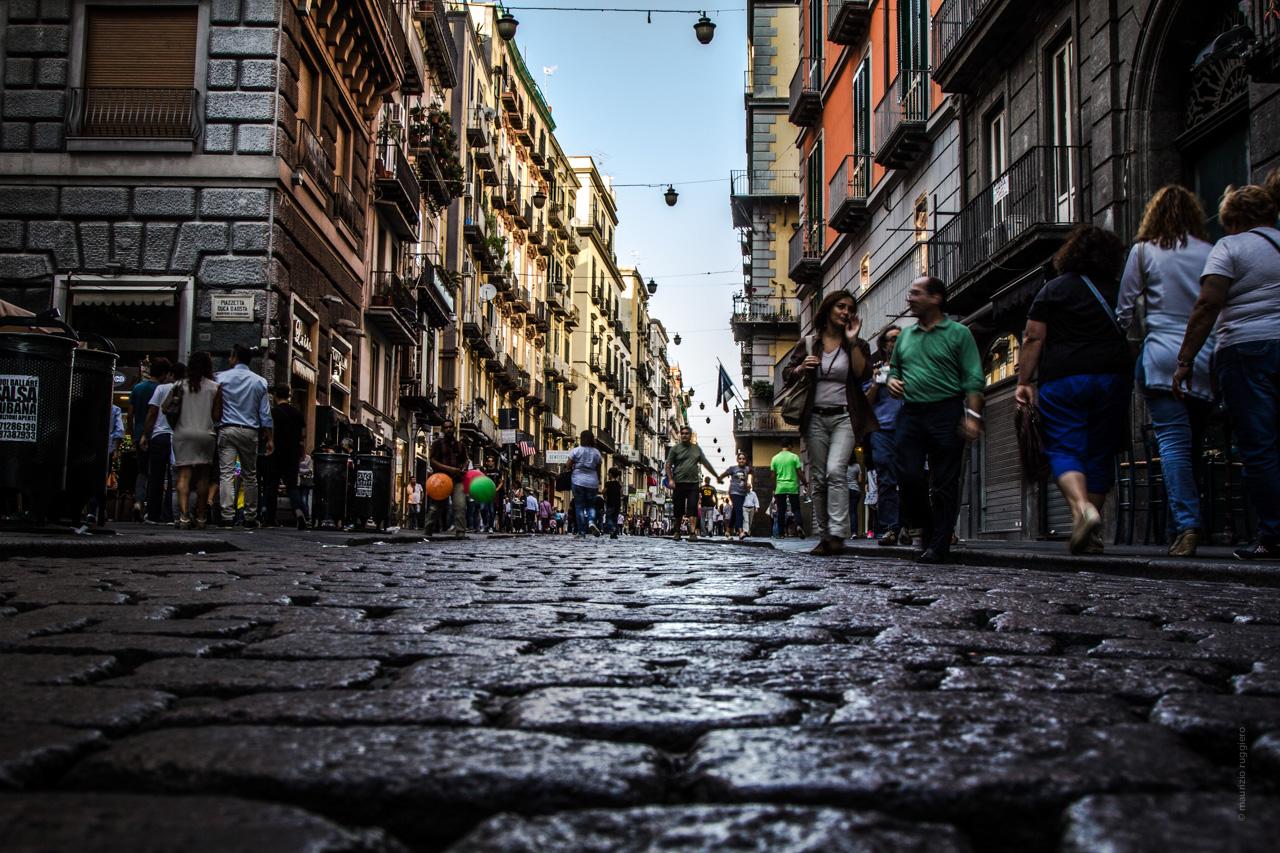
The Rione Carità: origins, history and evolution
One of the many places that represents its beating heart is the Rione Carità, which stretches out in the very centre of the city, in the San Giuseppe district, and is bordered to the north by via Armando Diaz and piazza Matteotti, to the west by via Toledo, to the south by piazza Municipio and via San Giacomo and, finally, to the east by via Medina.
Naples is rich in history and traditions, which soak into its streets, alleyways and neighbourhoods, telling the story of a city full of contradictions and utterly timeless.
This area, once called "territorio di Santa Marta" (the territory of Santa Marta), was one of the landholdings of the Dominican friars of the monastery of San Pietro martire and took its name from a confraternity, the Disciplina di Santa Marta (Discipline of Saint Martha), which had its seat here, together with a hospital, from 1373.
The building boom and the markets
The real building boom came in the 16th century, after, in 1499, under the reign of Federico d'Aragona (Frederick of Aragon), the defensive walls were extended westwards, with the ramparts running down what is now via Toledo as far as San Giacomo, where they joined up with Castel Nuovo.
In the 19th century, two of the city's most important markets were then built.
The first, built in 1811 to a design by Stefano Gasse, stood at largo della Carità, on land taken from the convent grounds of Monteoliveto (specifically the garden, where the French had planted the city's first botanical garden). Sadly it collapsed in 1906 following the eruption of Vesuvius.
The second, set up in 1844 to a design by Leonardo Laghezza, stood near the ponte di Tappia (Tappia bridge), in vico Bei Fiori e Belle Donne, behind palazzo Montemiletto. It was a lively, well-frequented spot for the sale of poultry and rabbits, but it was demolished during the post-war works.
The Twentieth Century
The Rione Carità, in fact, took on its final form during the Fascist regime and the post-war years, thanks to major redevelopment and demolition works.
In the 1930s, the church of San Tommaso d'Aquino, an integral part of the district's street layout, and the church of San Giuseppe Maggiore were pulled down, while at the same time via Armando Diaz and piazza Matteotti were opened up.
In the area known as dei Guantai Vecchi, close to the Monteoliveto monastery, the palazzo Troise and the Post Office building went up, designed by Gino Franzi and Giuseppe Vaccaro and completed in 1936.
The demolition project continued after the war, with the removal of the church of San Giovanni dei Fiorentini, the Teatro dei Fiorentini, the aforementioned food market in vico Bei Fiori e Belle Donne, and the historic Hotel Isotta & Geneve, badly damaged by wartime bombing, which had stood at the end of via Medina opposite the police headquarters.
It was in the Rione Carità, in fact, that Naples' oldest street name could be found: today's via Ponte di Tappia, which once continued beyond via Guantai Nuovi, towards via Toledo, under the name vico del baglivo Uries. This was the very street where Enrico De Nicola was born, and it took its name in honour of the magistrate Carlo Uries, baglivo (an official) of the Order of the Knights of Jerusalem and regent for Charles V, who died in 1551 and was buried in the nearby basilica of San Giacomo degli Spagnoli; it was here, indeed, that the man had built his own palace in 1533.
Posted in:
Places in Naples
Related posts
-
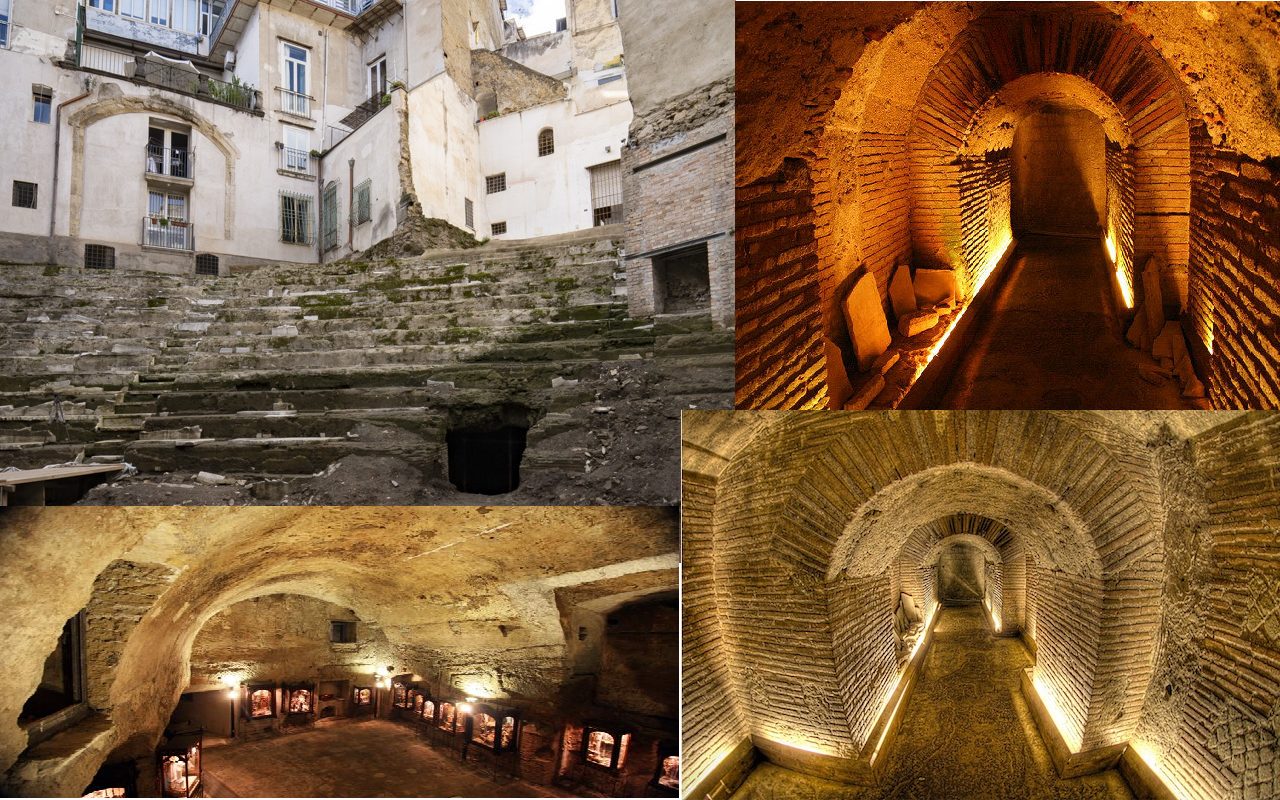 The Roman Theatre of Neapolis
Among the many wonders of Naples' historic centre stands the ancient Roman Theatre of Neapolis, between what are now...Read more
The Roman Theatre of Neapolis
Among the many wonders of Naples' historic centre stands the ancient Roman Theatre of Neapolis, between what are now...Read more -
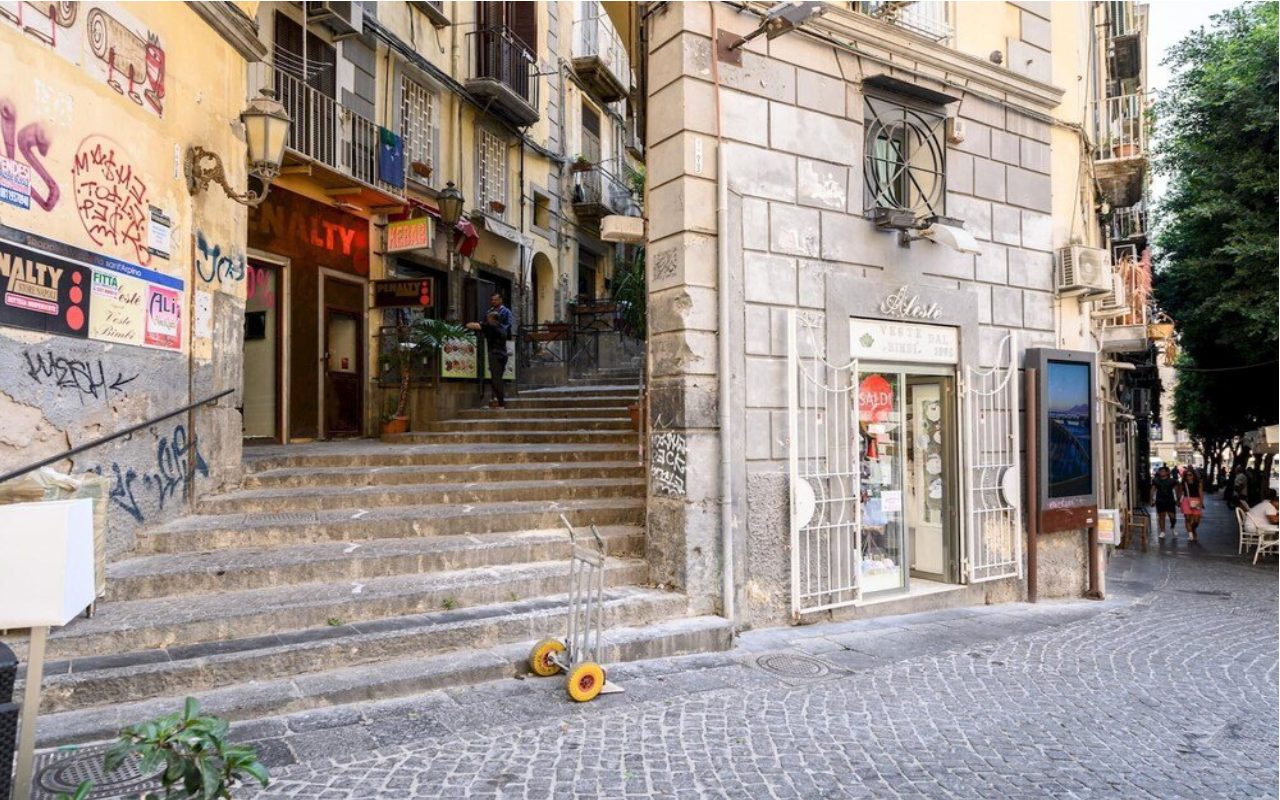 Discover Vicoletto Sant'Arpino: History and Beauty of Naples
There are corners of Naples that tell incredible stories, that take your breath away and make it unique, sincere and...Read more
Discover Vicoletto Sant'Arpino: History and Beauty of Naples
There are corners of Naples that tell incredible stories, that take your breath away and make it unique, sincere and...Read more -
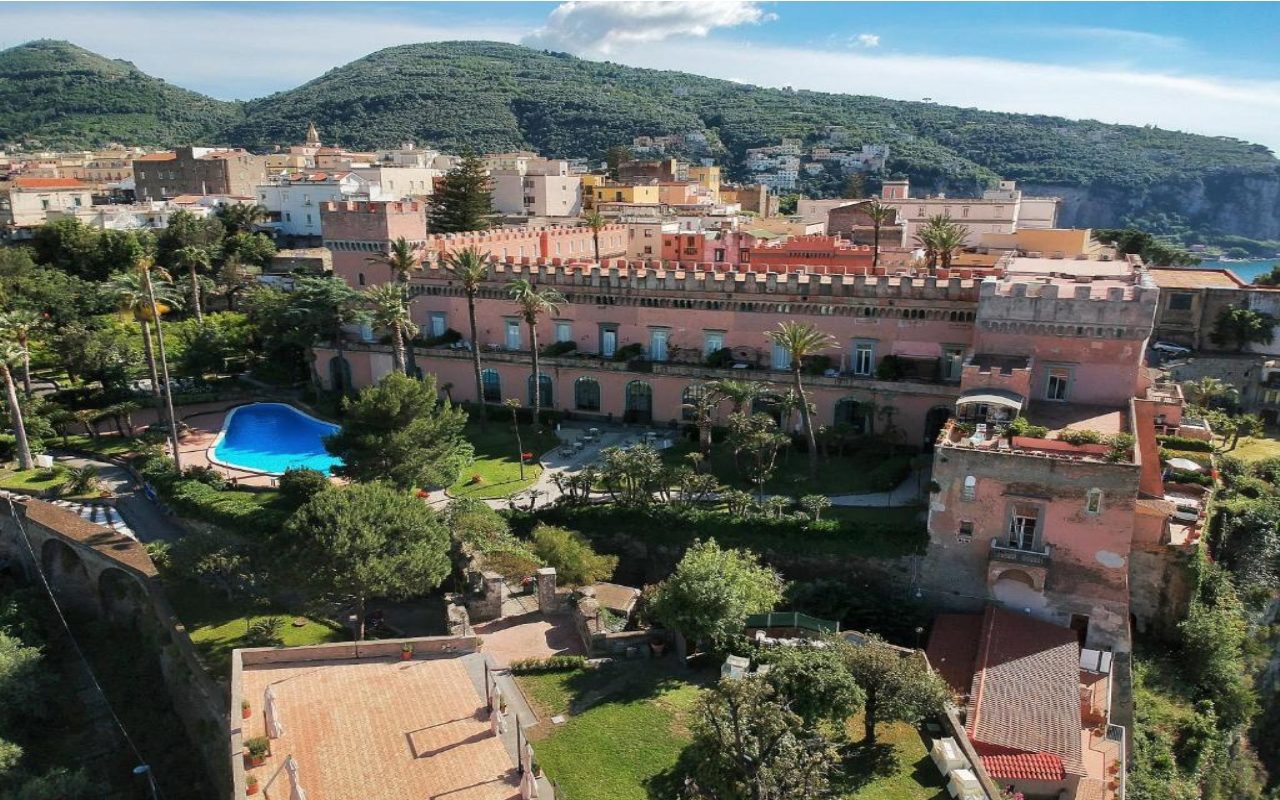 Giusso Castle: the legends of Vico Equense
Built at the end of the 13th century, Giusso Castle was designed as both a military fortress and a residence.Read more
Giusso Castle: the legends of Vico Equense
Built at the end of the 13th century, Giusso Castle was designed as both a military fortress and a residence.Read more -
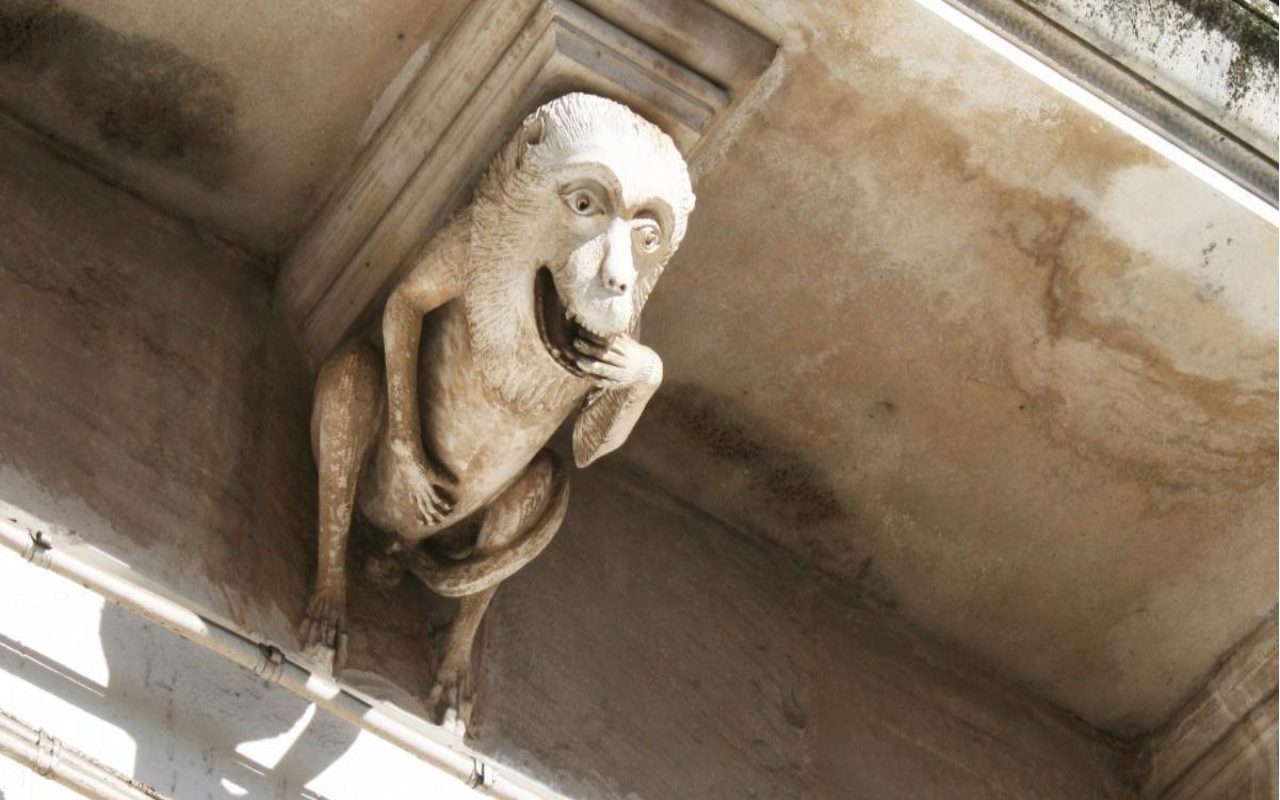 The apotropaic stone masks of lava rock and marble
Neapolitan apotropaic masks are truly fascinating works of art that can be admired on numerous historic buildings...Read more
The apotropaic stone masks of lava rock and marble
Neapolitan apotropaic masks are truly fascinating works of art that can be admired on numerous historic buildings...Read more -
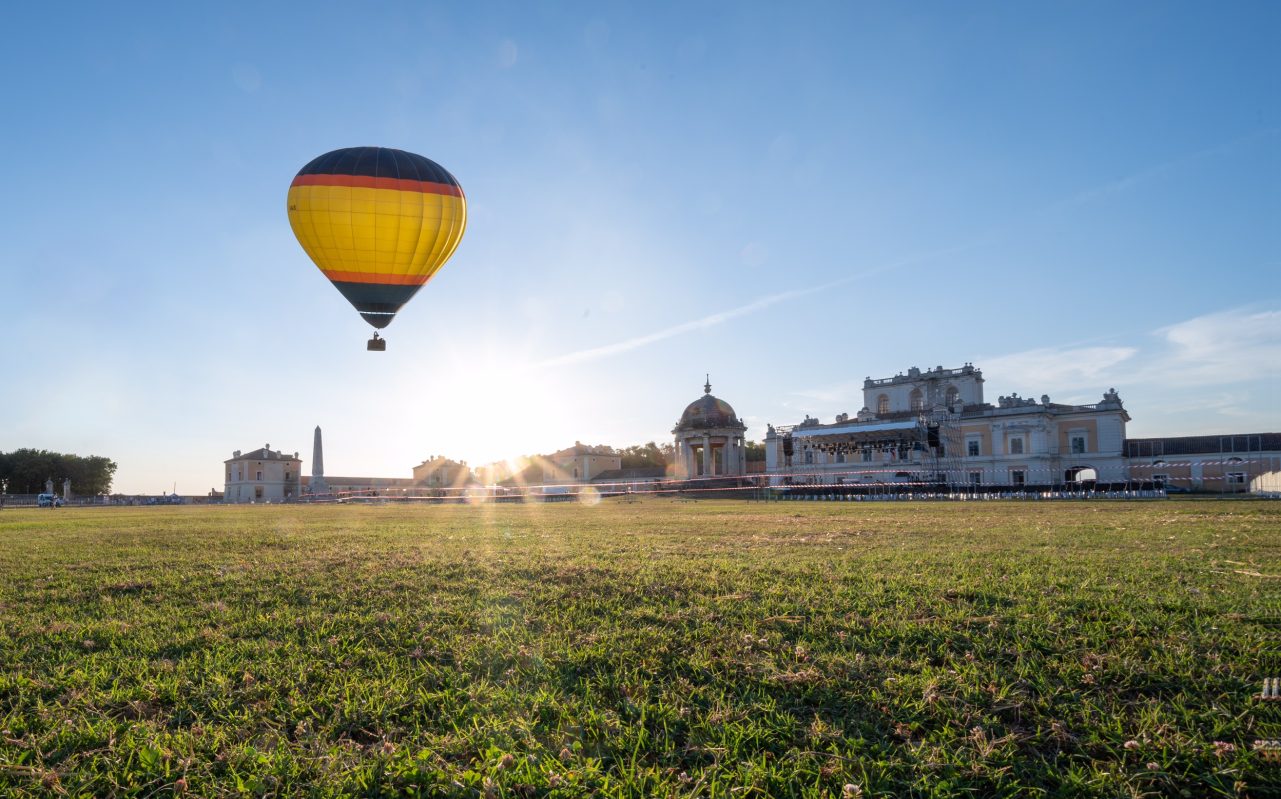 THE ROYAL PALACE OF CARDITELLO
The Tenuta Storica di Carditello (Historic Estate of Carditello), also known as the Reggia di Carditello (Royal...Read more
THE ROYAL PALACE OF CARDITELLO
The Tenuta Storica di Carditello (Historic Estate of Carditello), also known as the Reggia di Carditello (Royal...Read more
Leave a comment