



In Naples, a graduation is never a private affair: it's a neighbourhood celebration. Here's how to choose an original...
Latest posts
-
 Original Neapolitan graduation gift: ideas for the graduate (him and her)Read more
-
 Asso 'e mazze: meaning and history of the Neapolitan ace of clubsRead more
The strongest card on the green table becomes, in Naples, the most elegant way to say who really calls the shots....
-
 Michelina Di Cesare, the brigantessa who defied a kingdomRead more
Born poor in Terra di Lavoro, Michelina Di Cesare chose the maquis and the rifle against a newly united Italy. A...
-
 Neapolitan Hoodies: The Autumn 2026 Style GuideRead more
When the air turns crisp, in Naples people don't just reach for a hoodie: they reach for a piece of identity. Here's...
-
 Maradona Stadium: City Council allocates €50 million for Euro 2032Read more
The City Council has allocated €50 million for the redevelopment of the Diego Armando Maradona stadium, ahead of...
-
 Pizza Maxima 2026: Franco Pepe Is Once Again Best Pizzeria in ItalyRead more
At the fifth edition of Pizza Maxima, the Oscars of Italian pizza, Franco Pepe confirms his title as Best Pizzeria in...
-
 ‘L’acqua è poca e ‘a papera nun galleggia’: what it meansRead more
When the means are few, so is the result. Let's discover the most realistic Neapolitan saying there is.
-
 Avanti Scugnizzi: the story of the year's most loved T-shirtRead more
One word, ‘scugnizzo’ (Neapolitan street kid), and it holds the whole of Naples inside it. We tell you how the year's...
-
 'Chi chiagne fotte a chi ride': what it means and why it's truer than everRead more
At the market, at the counter, in the family: there's always someone who complains and gets more. It's the sharp...
-
 San Gennà, futtatenne! (Saint Januarius, don't worry about it!) San Gennaro, 19 September and the patron saint's t-shirtRead more
Who San Gennaro was, the miracle of the blood that liquefies, and the feast on 19 September. Plus that close,...
Blog categories
Search in blog
Archived posts
Naples VS Florence
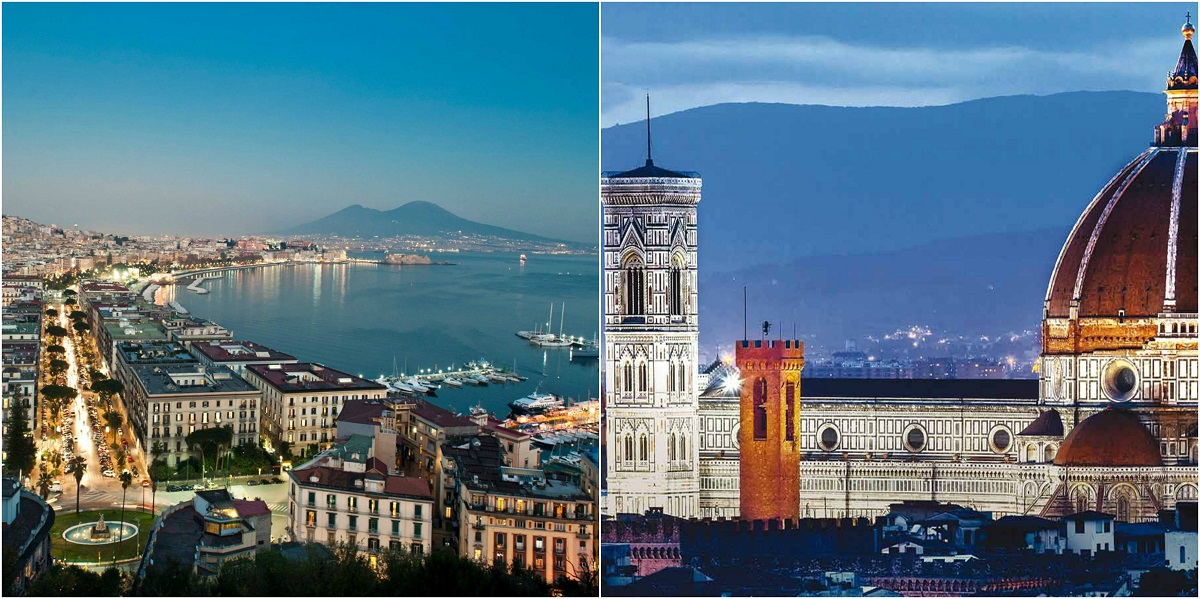
Both are cities immensely rich in art and history, with an illustrious past behind them, and both continue to enchant millions upon millions of visitors thanks to an imposing artistic heritage of inestimable value.
by Silvia Semonella
We're talking about Naples and Florence, the latter considered, the world over, the richest city in art and culture in our country and, indeed, on a global scale.
Today we'll try to put the two cities side by side, with no pretence of creating a contest, comparing 10 characteristic aspects of both, leaving you free to decide which one wins your favour!
1 – Teatro San Carlo / Teatro Verdi
The Teatro Verdi took on this name in 1901 and stands on the site once occupied by the Stinche prison. Also used as a prison for 500 years, in 1833 the building was purchased and transformed into the structure we see today: an oval-shaped theatre with a large hall which, between the stalls and its six tiers of boxes, can hold around four thousand spectators.
The Teatro San Carlo (also known as the Real Teatro di San Carlo), founded by order of Carlo di Borbone (Charles of Bourbon), is instead an opera house and the oldest continuously active opera house in Europe and the world, having been founded in 1737. It holds up to 1,386 spectators, with five tiers of boxes arranged in a horseshoe shape, plus a large royal box, an upper gallery and a stage; given its size, it became a model for later theatres across Europe.
Stendhal, on this subject, said “gli occhi ne sono abbagliati, l'anima rapita […] Non c'è nulla, in tutta Europa, che non dico si avvicini a questo teatro, ma ne dia la più pallida idea” (the eyes are dazzled, the soul enraptured […] There is nothing in the whole of Europe that even comes close to giving the faintest idea of this theatre).
2 – 500 Domes/ Dome of Santa Maria Del Fiore
Naples boasts an immense historical and cultural heritage, which makes it the city richest in churches, convents and places of worship anywhere in the world. These buildings accumulated over the course of seventeen centuries, forming a heritage that, in the 18th century, earned the Campanian capital the nickname “city of 500 domes”.
The Dome of Santa Maria del Fiore, also known as the “Brunelleschi Dome”, was the largest dome in the world and still remains the largest masonry dome ever built. Its sheer size ruled out the traditional building method using centring (a wooden or iron structure to support the masonry), which led to many theories about how it was actually constructed, since it relied on a number of extraordinary solutions.
3 – Neapolitan Pizza / Bistecca Fiorentina
Two dishes typical of each city: the very famous bistecca alla fiorentina (Florentine steak) is a cut of beef from young cattle which, together with its specific preparation, makes it one of the best-known dishes of Tuscan cuisine. It's a thick cut, bone included, to be cooked over embers or on the grill, strictly “al sangue” (rare)!
As for the other typical dish, does it need any further introduction? Suffice it to say that, according to legend, the pizza Margherita has royal origins: it's said that, in June 1889, to honour the Queen of Italy Margherita di Savoia, the cook Raffaele Esposito of Pizzeria Brandi invented a dish which he named precisely Pizza Margherita, in which the toppings that happened to come to hand (tomato, mozzarella and basil) represented, no less, the colours of the Italian flag. Today this art has been recognised as a UNESCO Intangible Cultural Heritage.
4 – Babà and Sfogliatella / Cantucci and Vin Santo
After comparing two savoury dishes, we also have two desserts.
Cantucci are typical of Tuscan cuisine and are dry almond biscuits, cut while the dough is still warm, generally served alongside vin santo, in which they are also dipped, a sweet dessert wine typical of the region.
The babà is the quintessential Neapolitan dessert, known for its scent of rum, with which it is soaked, and for the softness of its dough; some variations also include a filling of custard, cream or chocolate.
The sfogliatella, alongside the babà, is the dessert symbol of Campania and comes in two variants: riccia, when made with puff pastry, or frolla, when made with shortcrust pastry. The filling is made of semolina, candied fruit, limoncello, sugar and ricotta.
5 – Veiled Christ / Michelangelo's David
Both are immeasurable masterpieces of sculpture, envied by the whole world, and both have become something of a symbol for their respective cities.
The David, sculpted by Michelangelo Buonarroti, is considered a masterpiece of world sculpture and one of the emblems of the Renaissance, as well as a symbol of Florence and of Italy abroad. It portrays the biblical hero David at the moment he prepares to face Goliath, and has always been seen as the ideal of male beauty in art.
The Veiled Christ, a work by Giuseppe Sammartino, housed in the Sansevero Chapel in Naples, is one of the greatest sculptural masterpieces in the world, helped in part by the mystery surrounding it: it is said that Raimondo di Sangro, the Prince of Sansevero, had invented a special substance that allowed him, literally, to “turn to marble” the veil laid over the body of Christ. Whether fact or legend, all this only makes the work even more fascinating and enigmatic.
6 – Piazza del Plebiscito / Piazza Annunziata
Piazza Annunziata is, perhaps, the most important square in Florence; it lies in the historic centre, north of Piazza Duomo, and is dominated by the Basilica of Santissima Annunziata.
Piazza del Plebiscito, on the other hand, is the quintessential square of central Naples, situated at the end of Via Toledo. It covers an area of around 25,000 square metres and stands as one of the largest squares in the city.
7 – Palazzo Reale / Palazzo della Signoria
Palazzo della Signoria stands in Piazza della Signoria and today houses the Municipality of Florence.
Originally called Palazzo dei Priori, it became, in the 15th century, Palazzo della Signoria, named after the main governing body of the Republic of Florence, and later, in 1540, Palazzo Ducale, when Duke Cosimo I de' Medici made it his residence. Finally, it took back its old name once, after 1565, Cosimo's court moved to Palazzo Pitti.
The Royal Palace of Naples, on the other hand, is a historic building located in Piazza Plebiscito. It was the residence of the Spanish viceroys for over one hundred and fifty years, then of the Bourbon dynasty, and later, following the Unification of Italy, of the House of Savoy.
8 – San Gregorio Armeno / Tanneries
Florence, like the whole of Tuscany, is exceptionally rich in craftsmen who work with leather and produce beautiful items such as bags, shoes and clothing. The historic centre is full of workshops, especially popular with tourists, where you can buy exquisite handmade goods.
In Naples, meanwhile, among others, there are craftsmen skilled in the centuries-old art of nativity scenes: famous is the neighbourhood of San Gregorio Armeno, where you can immerse yourself in a Christmas atmosphere even in the height of summer, admiring figurines of the classic Neapolitan nativity scene, crafted down to the smallest detail, as well as faithful reproductions of famous people.
9 – Lungomare / Lungarno
The Florentine lungarni (riverside promenades) cut the historic centre in two, and the most famous is undoubtedly the one where we find the celebrated Ponte Vecchio, offering a striking view of the city.
The Neapolitan seafront, alias Via Francesco Caracciolo, on the other hand, is the road running along the sea as far as Borgo Marinari on one side, and Molo Beverello on the other. From here, you can admire the beautiful view of the Gulf of Naples and of Castel dell'Ovo, standing out against the backdrop.
10 – Maschio Angioino / Forte Belvedere
The Forte Belvedere is one of Florence's two fortresses, as well as a celebrated panoramic viewpoint. Located at the highest point of Boboli (the city's historic park), it is reached from Costa San Giorgio and was built at the behest of Grand Duke Ferdinando I de' Medici.
Castel Nuovo, or Maschio Angioino, finally, is a historic medieval and Renaissance castle, as well as one of the symbols of the city, whose construction was commissioned by Charles I of Anjou. The castle overlooks the striking Piazza del Municipio and is home to the Neapolitan Society of National History and the Naples Committee of the Institute for the History of the Italian Risorgimento.
Posted in:
Places in Naples
Related posts
-
 The Roman Theatre of Neapolis
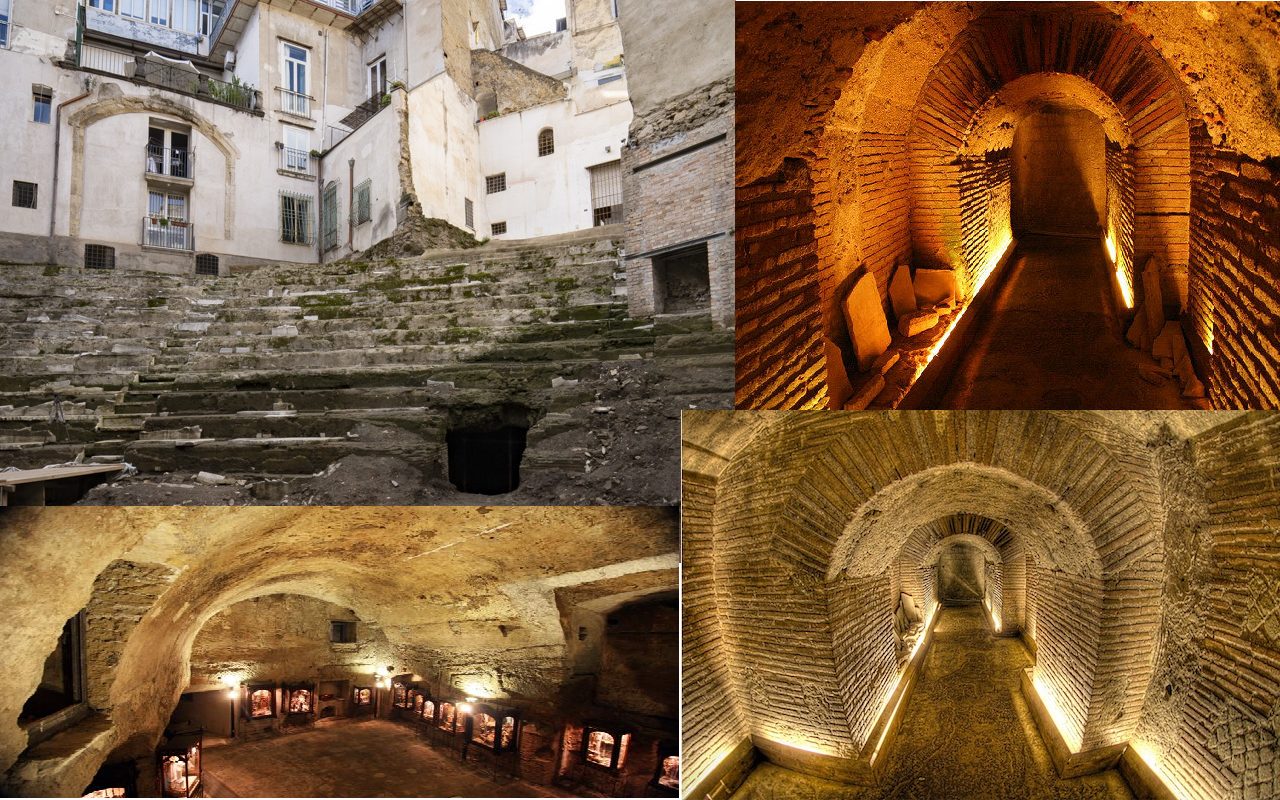
Among the many wonders of Naples' historic centre stands the ancient Roman Theatre of Neapolis, between what are now...Read more
-
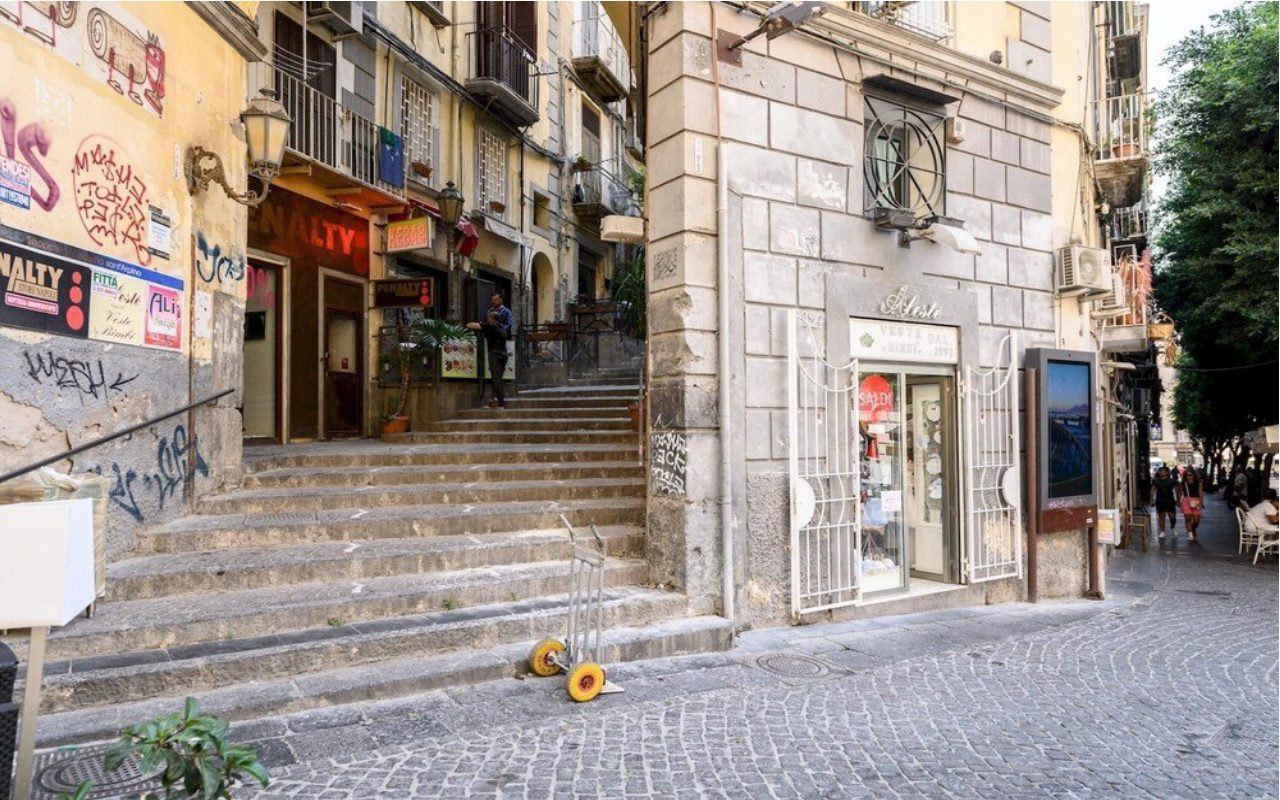 Discover Vicoletto Sant'Arpino: History and Beauty of Naples
There are corners of Naples that tell incredible stories, that take your breath away and make it unique, sincere and...Read more
-
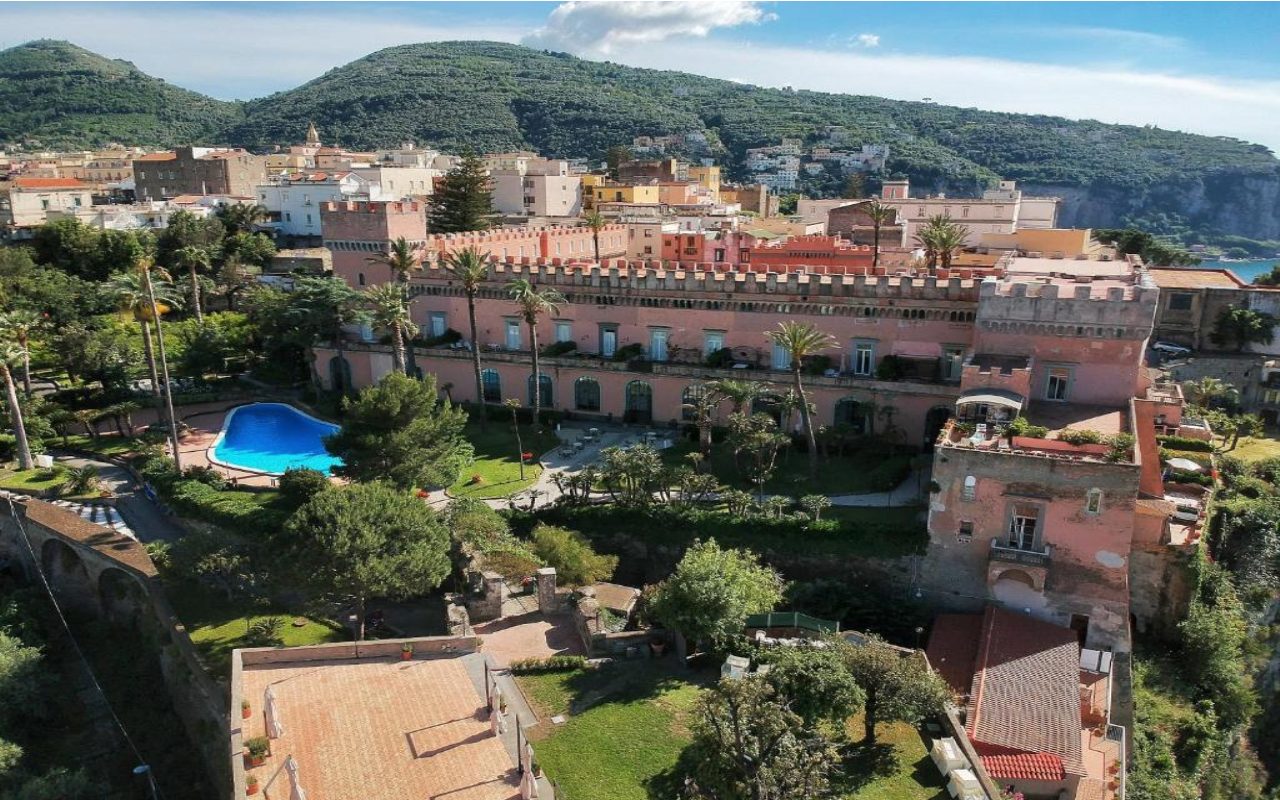 Giusso Castle: the legends of Vico Equense
Built at the end of the 13th century, Giusso Castle was designed as both a military fortress and a residence.Read more
-
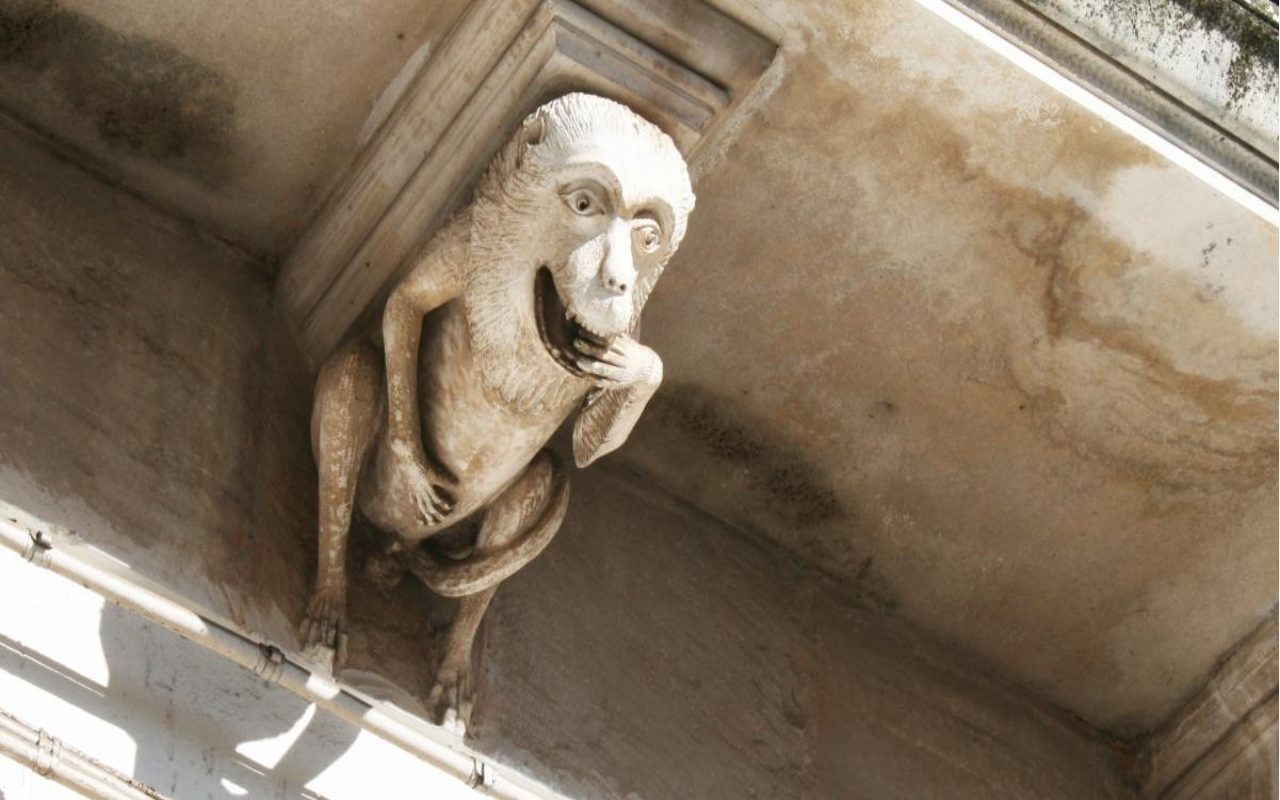 The apotropaic stone masks of lava rock and marble
Neapolitan apotropaic masks are truly fascinating works of art that can be admired on numerous historic buildings...Read more
-
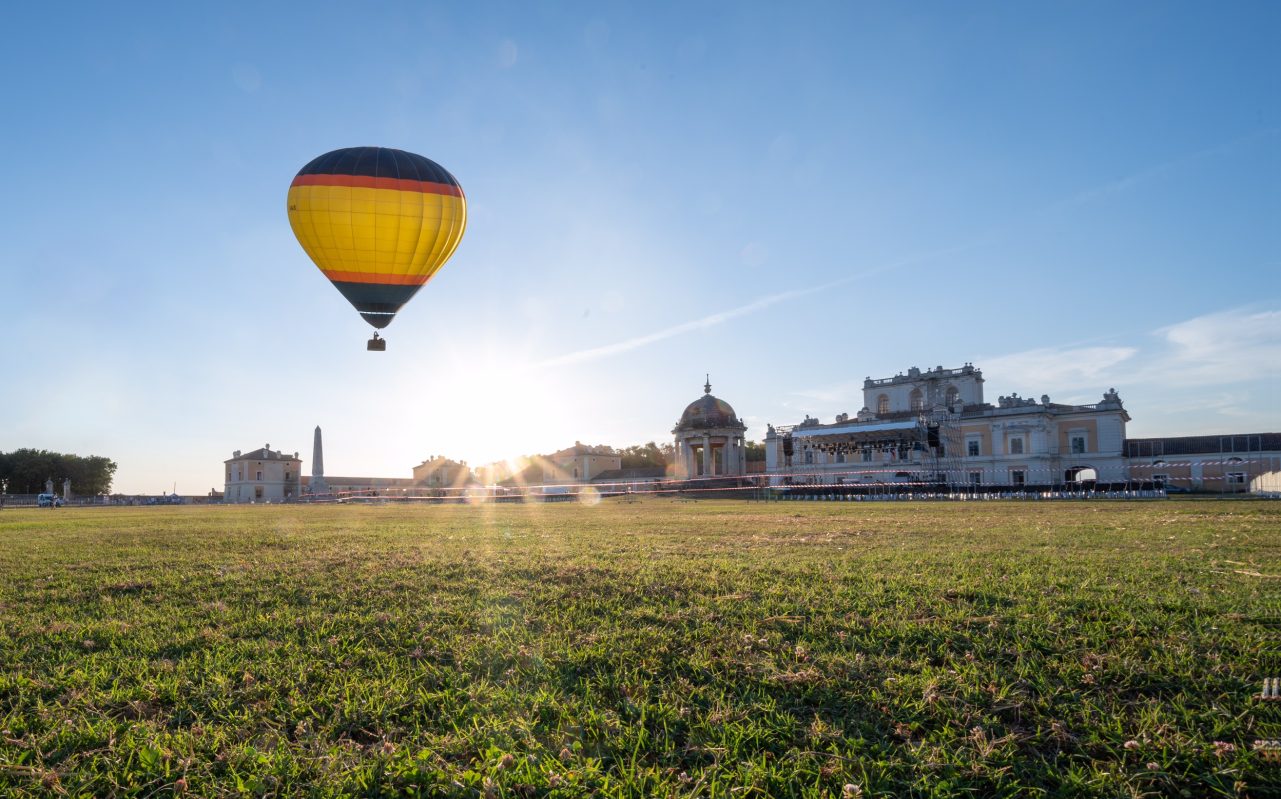 THE ROYAL PALACE OF CARDITELLO
The Tenuta Storica di Carditello (Historic Estate of Carditello), also known as the Reggia di Carditello (Royal...Read more
Leave a comment