



In Naples, a graduation is never a private affair: it's a neighbourhood celebration. Here's how to choose an original...
Latest posts
-
 Original Neapolitan graduation gift: ideas for the graduate (him and her)Read more
-
 Asso 'e mazze: meaning and history of the Neapolitan ace of clubsRead more
The strongest card on the green table becomes, in Naples, the most elegant way to say who really calls the shots....
-
 Michelina Di Cesare, the brigantessa who defied a kingdomRead more
Born poor in Terra di Lavoro, Michelina Di Cesare chose the maquis and the rifle against a newly united Italy. A...
-
 Neapolitan Hoodies: The Autumn 2026 Style GuideRead more
When the air turns crisp, in Naples people don't just reach for a hoodie: they reach for a piece of identity. Here's...
-
 Maradona Stadium: City Council allocates €50 million for Euro 2032Read more
The City Council has allocated €50 million for the redevelopment of the Diego Armando Maradona stadium, ahead of...
-
 Pizza Maxima 2026: Franco Pepe Is Once Again Best Pizzeria in ItalyRead more
At the fifth edition of Pizza Maxima, the Oscars of Italian pizza, Franco Pepe confirms his title as Best Pizzeria in...
-
 ‘L’acqua è poca e ‘a papera nun galleggia’: what it meansRead more
When the means are few, so is the result. Let's discover the most realistic Neapolitan saying there is.
-
 Avanti Scugnizzi: the story of the year's most loved T-shirtRead more
One word, ‘scugnizzo’ (Neapolitan street kid), and it holds the whole of Naples inside it. We tell you how the year's...
-
 'Chi chiagne fotte a chi ride': what it means and why it's truer than everRead more
At the market, at the counter, in the family: there's always someone who complains and gets more. It's the sharp...
-
 San Gennà, futtatenne! (Saint Januarius, don't worry about it!) San Gennaro, 19 September and the patron saint's t-shirtRead more
Who San Gennaro was, the miracle of the blood that liquefies, and the feast on 19 September. Plus that close,...
Blog categories
Search in blog
Archived posts
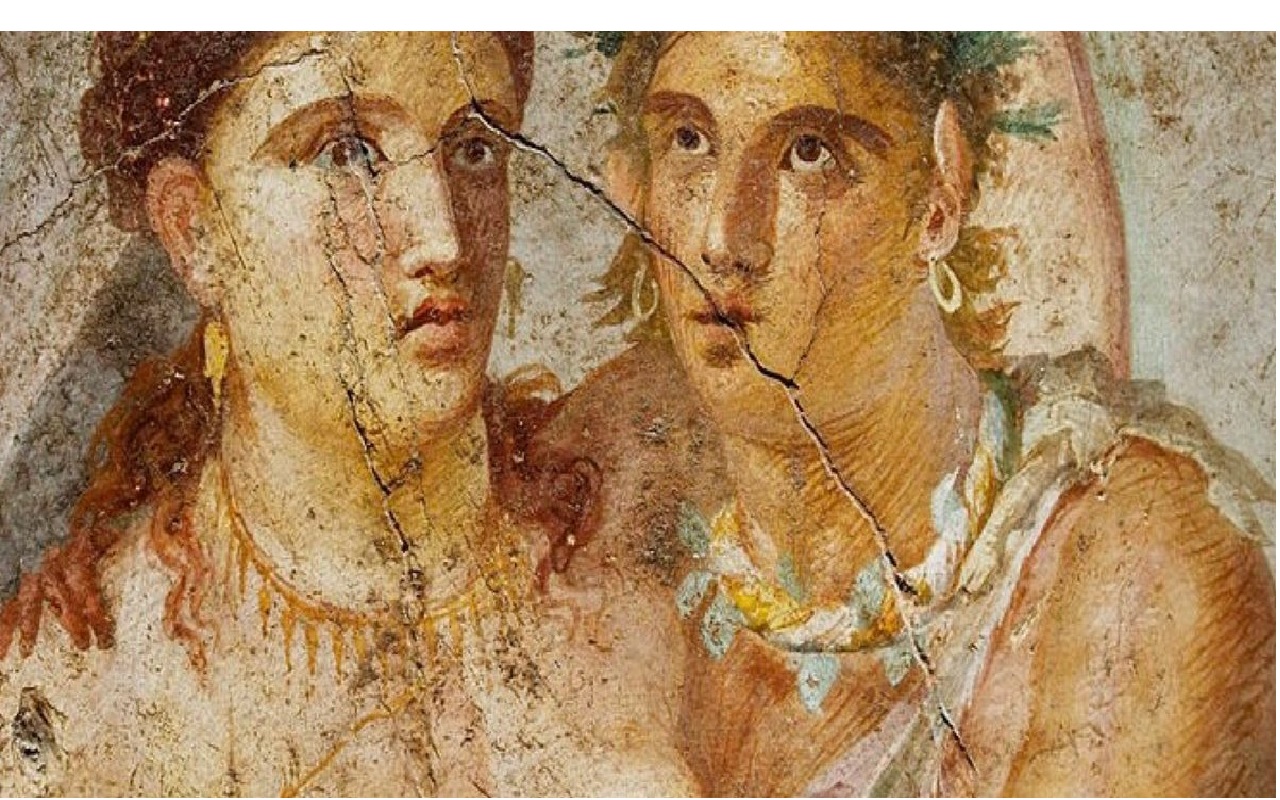
Naples Archaeological Museum: The Secret Cabinet
The National Archaeological Museum of Naples is one of Italy's cultural gems, renowned for its extraordinary collection of archaeological finds from ancient Rome and the surrounding region.
The Secret Cabinet: The Hidden Treasure of the Naples Archaeological Museum
The National Archaeological Museum of Naples is one of Italy's cultural gems, renowned for its extraordinary collection of archaeological finds from ancient Rome and the surrounding region. Inside this fascinating museum lies a hidden treasure, known as the "Secret Cabinet", which offers a burst of eroticism, sensuality and historical fascination.
A Brief Historical Context
The Secret Cabinet was established in 1819 by King Francesco I of the Two Sicilies, with the aim of preserving and cataloguing a series of finds of a sexual and erotic nature discovered among the ruins of Pompeii and Herculaneum, two Roman cities buried by the eruption of Vesuvius in 79 AD. These finds often depicted explicit scenes of sexual acts, mythological figures and sexual symbols.
Initially, access to the Secret Cabinet was reserved only for scholars and men of culture, but over the years, the museum has gradually opened its doors to the public, allowing anyone with the desire to do so to explore this intriguing part of Roman history.
The Contents of the Secret Cabinet
The Secret Cabinet houses a wide range of objects reflecting sexuality and daily life in ancient Rome. These include:
- Frescoes and wall paintings: Vivid depictions of erotic scenes, often found in private houses in Pompeii and Herculaneum. These frescoes offer a raw and realistic glimpse into the sexuality of the time.
- Decorated vases: Ceramics and vases showing mythological figures engaged in sexual acts or sensual scenes. These objects were often used in religious ceremonies or at banquets.
- Sculptures and statues: Sculptures of deities such as Aphrodite, the god Pan and other mythological figures in suggestive poses. These works of art were often placed in public or private spaces to celebrate the beauty of the human body.
- Everyday objects: A variety of everyday items, such as candles shaped like sexual organs, amulets and jewellery bearing sexual symbols, showing how sexuality was an integral part of Roman life.
The Importance of the Secret Cabinet
The Secret Cabinet is important for several reasons. First of all, it provides a unique opportunity to understand the sexuality and mindset of ancient Rome. This often contrasts with the idealised image we have of that civilisation, highlighting the fact that sexuality was an integral part of everyday life.
Furthermore, the Secret Cabinet offers us a rare glimpse into how human societies address and represent sexuality through art and culture. It bears witness to the diversity of sexual perspectives and the evolution of social norms over time.
However, the Secret Cabinet has also been at the centre of debates and controversies. Some regard it as a precious testimony of the past, while others see it as a form of ancient pornography. In recent years, the museum has sought to present its contents in a more sensitive way, with educational approaches to contextualise the works of art and promote historical understanding.
Conclusions
The Secret Cabinet of the National Archaeological Museum of Naples is a fascinating and controversial part of Italy's cultural heritage. It offers a unique opportunity to explore sexuality in ancient Rome through the lens of art and culture. Visiting this part of the museum is an experience that prompts deep reflection on human history and our understanding of sexuality. Through the Secret Cabinet, the past speaks to us in an intimate and provocative way, inviting us to consider how sexuality has been a powerful and universal force throughout the centuries.
Posted in:
Places in Naples
Related posts
-
 The Roman Theatre of Neapolis
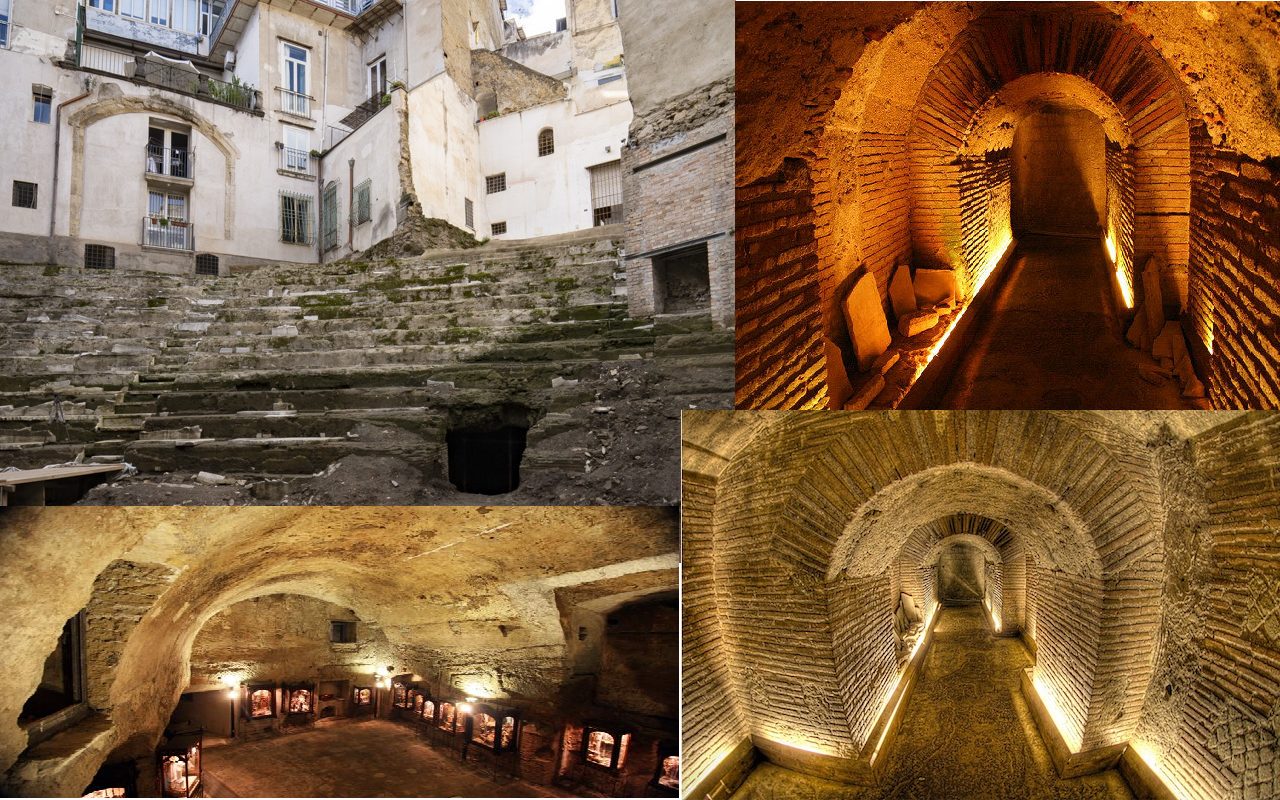
Among the many wonders of Naples' historic centre stands the ancient Roman Theatre of Neapolis, between what are now...Read more
-
 Discover Vicoletto Sant'Arpino: History and Beauty of Naples
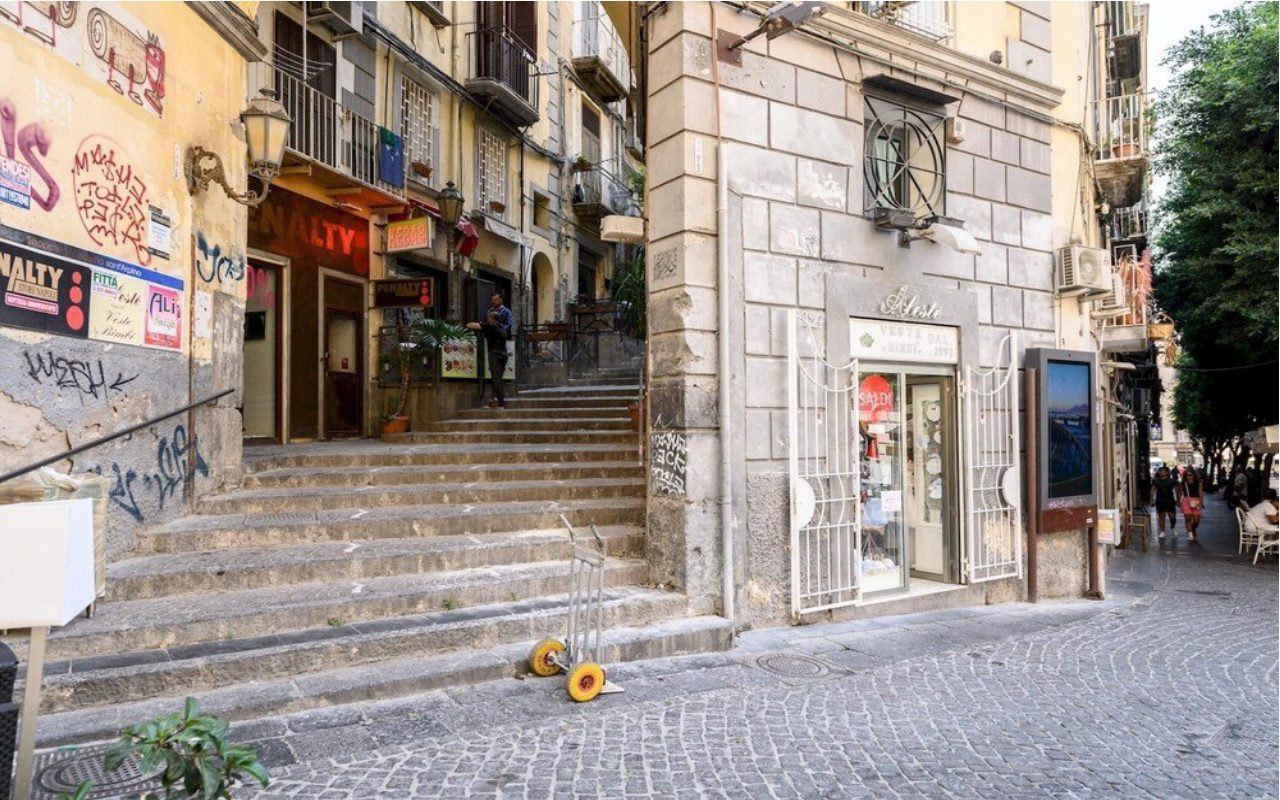
There are corners of Naples that tell incredible stories, that take your breath away and make it unique, sincere and...Read more
-
 Giusso Castle: the legends of Vico Equense
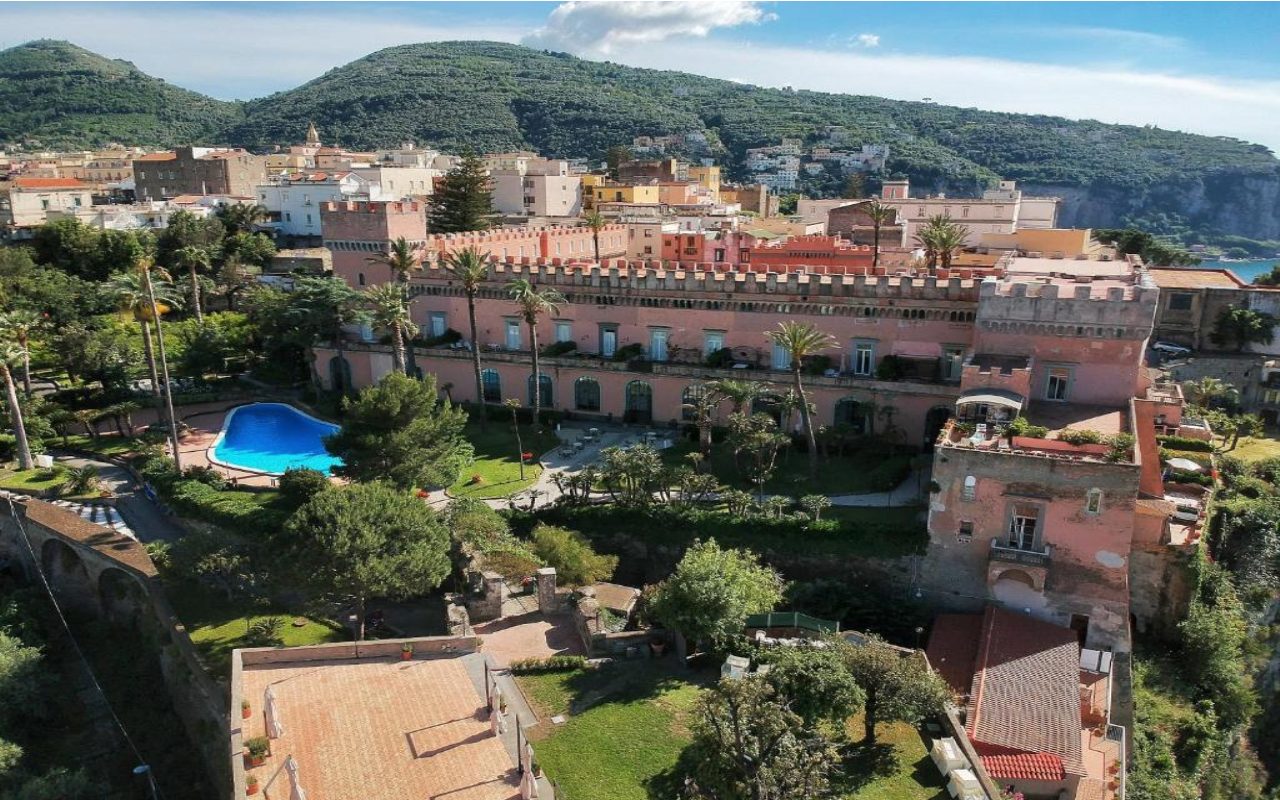
Built at the end of the 13th century, Giusso Castle was designed as both a military fortress and a residence.Read more
-
 The apotropaic stone masks of lava rock and marble
Neapolitan apotropaic masks are truly fascinating works of art that can be admired on numerous historic buildings...Read more
-
 THE ROYAL PALACE OF CARDITELLO
The Tenuta Storica di Carditello (Historic Estate of Carditello), also known as the Reggia di Carditello (Royal...Read more
Leave a comment