



Born poor in Terra di Lavoro, Michelina Di Cesare chose the maquis and the rifle against a newly united Italy. A...
Latest posts
-
 Michelina Di Cesare, the brigantessa who defied a kingdomRead more
 -
 Neapolitan Hoodies: The Autumn 2026 Style GuideRead more
When the air turns crisp, in Naples people don't just reach for a hoodie: they reach for a piece of identity. Here's...
-
 Maradona Stadium: City Council allocates €50 million for Euro 2032Read more
The City Council has allocated €50 million for the redevelopment of the Diego Armando Maradona stadium, ahead of...
-
 Pizza Maxima 2026: Franco Pepe Is Once Again Best Pizzeria in ItalyRead more
At the fifth edition of Pizza Maxima, the Oscars of Italian pizza, Franco Pepe confirms his title as Best Pizzeria in...
-
 ‘L’acqua è poca e ‘a papera nun galleggia’: what it meansRead more
When the means are few, so is the result. Let's discover the most realistic Neapolitan saying there is.
-
 Avanti Scugnizzi: the story of the year's most loved T-shirtRead more
One word, ‘scugnizzo’ (Neapolitan street kid), and it holds the whole of Naples inside it. We tell you how the year's...
-
 'Chi chiagne fotte a chi ride': what it means and why it's truer than everRead more
At the market, at the counter, in the family: there's always someone who complains and gets more. It's the sharp...
-
 San Gennà, futtatenne! (Saint Januarius, don't worry about it!) San Gennaro, 19 September and the patron saint's t-shirtRead more
Who San Gennaro was, the miracle of the blood that liquefies, and the feast on 19 September. Plus that close,...
-
 'O purpo se coce int'a ll'acqua soja: what it means (o purpo se coce meaning)Read more
Someone has wronged you, and instead of reacting, you wait in silence with a smile? Here's the Neapolitan proverb...
-
 Cazzimma: meaning, origin and why it can't be translatedRead more
There's a word that explains everything in Naples and can't be translated into any language. It's called cazzimma,...
Blog categories
Search in blog
Archived posts
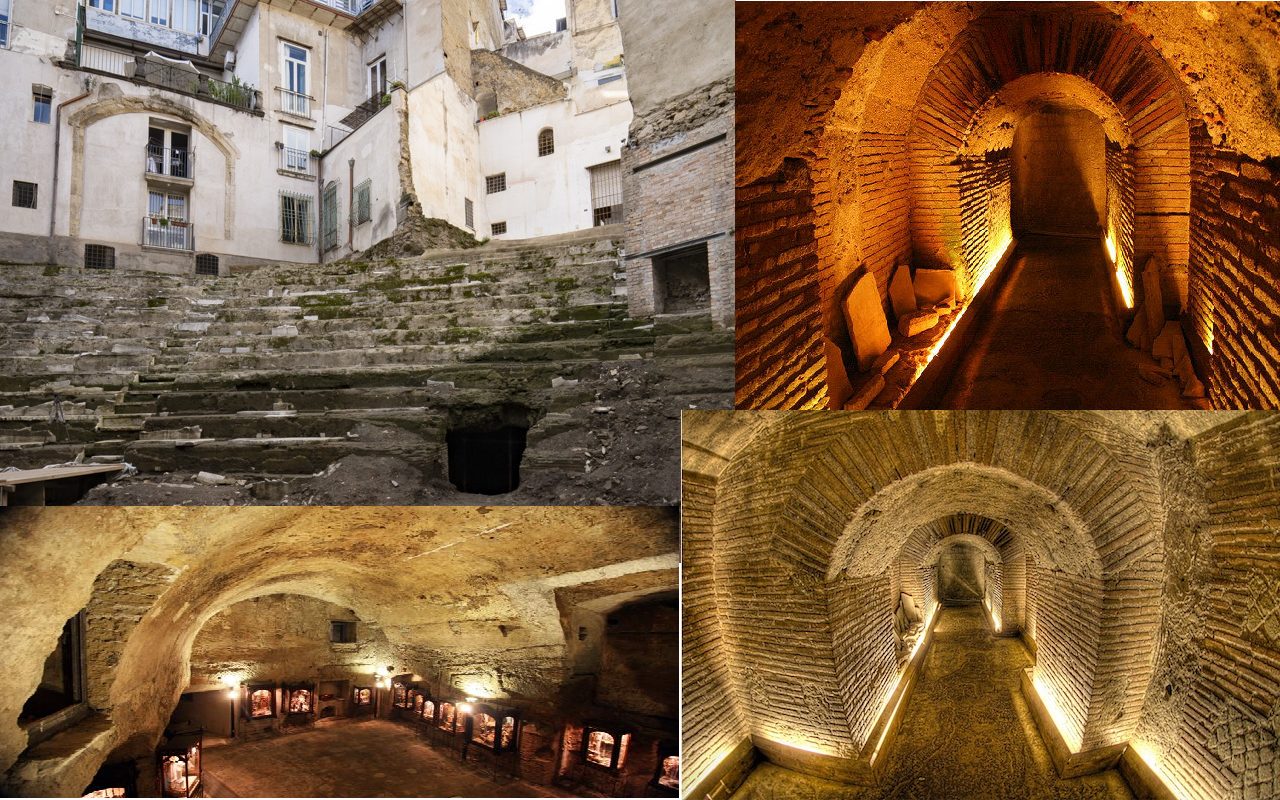
The Roman Theatre of Neapolis
The Roman Theatre of Neapolis, an ancient building located in the heart of Naples' historic centre along the Decumano Superiore, precisely in Via San Paolo, is an imposing structure that could hold up to 5,000 spectators. This theatre was even trodden by the Emperor Nero, who held a great love for the city of Neapolis, at the time an important cultural centre of Greek tradition.
Among the many wonders of Naples' historic centre stands the ancient Roman Theatre of Neapolis, which today lies immersed within a vast area surrounded by buildings, bounded by what are now Via Anticaglia, Via S. Paolo ai Tribunali and Vico Giganti, in the upper decumanus of Naples.
This theatre, of considerable size and open to the sky, once occupied the northern part of the forum, the city's main public area. For several years now, an excavation and enhancement project for the theatre has been under way, overseen by the Special Superintendency for Archaeological Heritage of Naples and Pompeii, in collaboration with the Municipality of Naples.
This fascinating work of "urban archaeology" is gradually bringing to light the extraordinary structures of the ancient theatre.
Guided tours of the excavation site are periodically organised, offering visitors the chance to admire a part of this great and almost unknown Roman Theatre of Neapolis. Descending into the depths below ground, one can see the two circular corridors (ambulacra), from which open the service rooms (cunei), the staircases leading up to the higher tiers of seating (media and summa cavea), and the spaces connected to the lower seats reserved for illustrious figures (vomitoria).
Coming back out into the open, you find yourself standing on a section of the uncovered cavea, its tiers of seating still white, literally surrounded by the ancient buildings that form the backdrop to everyday life in Naples, with washing hung out to dry and the sounds of music and voices drifting from the homes all around.
This theatre, which has come down to us intact from Roman times, once stood a short distance from the Temple of the Dioscuri, today overshadowed by the church of San Paolo Maggiore. The theatre's present appearance dates back to the late 1st and early 2nd century AD, a period in which it was completely rebuilt, probably following the earthquake of 62 AD or the eruption of Vesuvius in 79 AD.
Posted in:
Places in Naples
Related posts
-
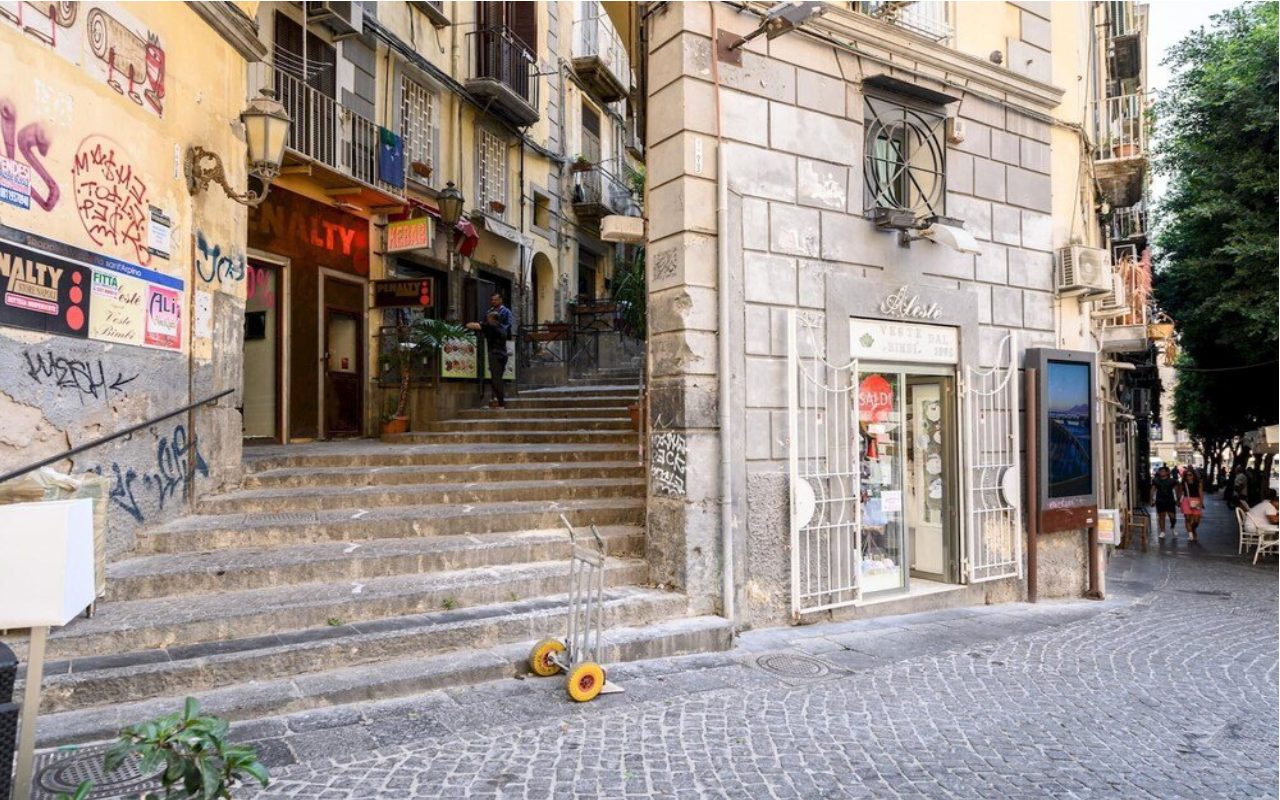 Discover Vicoletto Sant'Arpino: History and Beauty of Naples
There are corners of Naples that tell incredible stories, that take your breath away and make it unique, sincere and...Read more
Discover Vicoletto Sant'Arpino: History and Beauty of Naples
There are corners of Naples that tell incredible stories, that take your breath away and make it unique, sincere and...Read more -
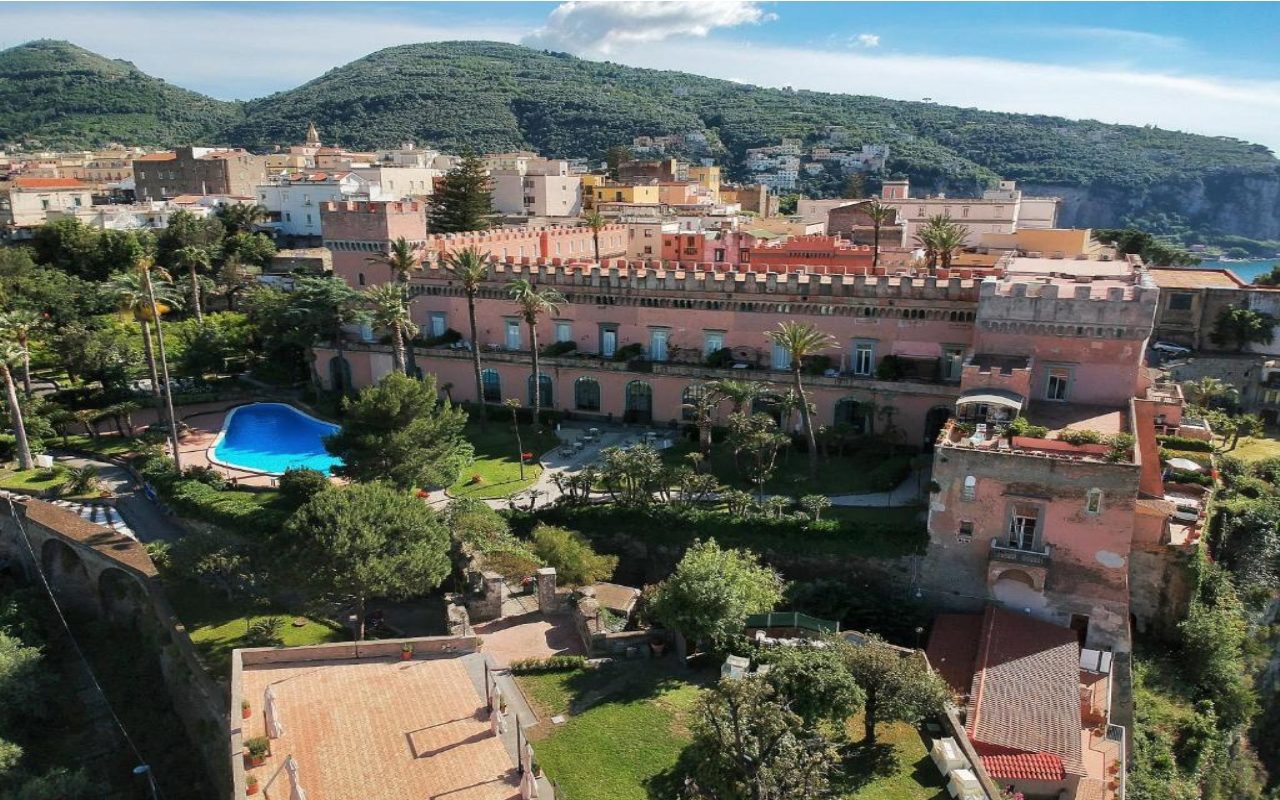 Giusso Castle: the legends of Vico Equense
Built at the end of the 13th century, Giusso Castle was designed as both a military fortress and a residence.Read more
Giusso Castle: the legends of Vico Equense
Built at the end of the 13th century, Giusso Castle was designed as both a military fortress and a residence.Read more -
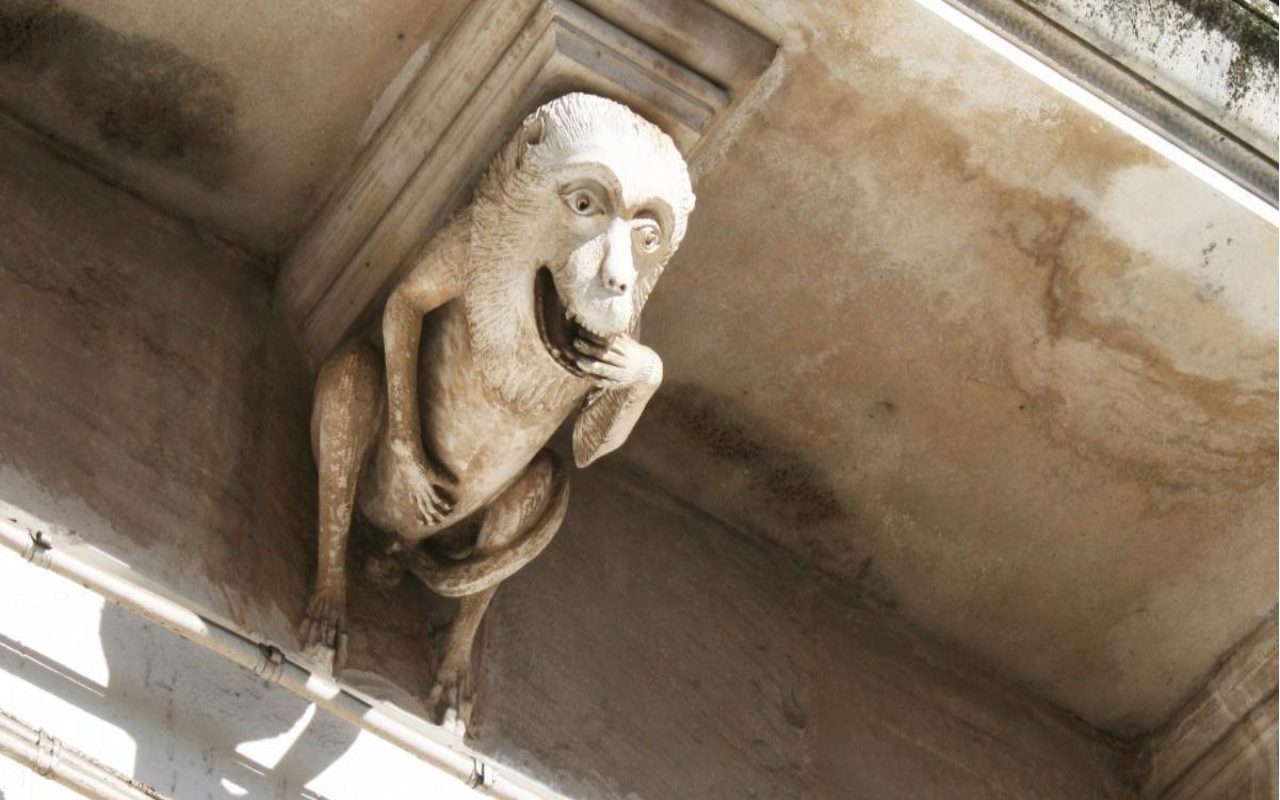 The apotropaic stone masks of lava rock and marble
Neapolitan apotropaic masks are truly fascinating works of art that can be admired on numerous historic buildings...Read more
The apotropaic stone masks of lava rock and marble
Neapolitan apotropaic masks are truly fascinating works of art that can be admired on numerous historic buildings...Read more -
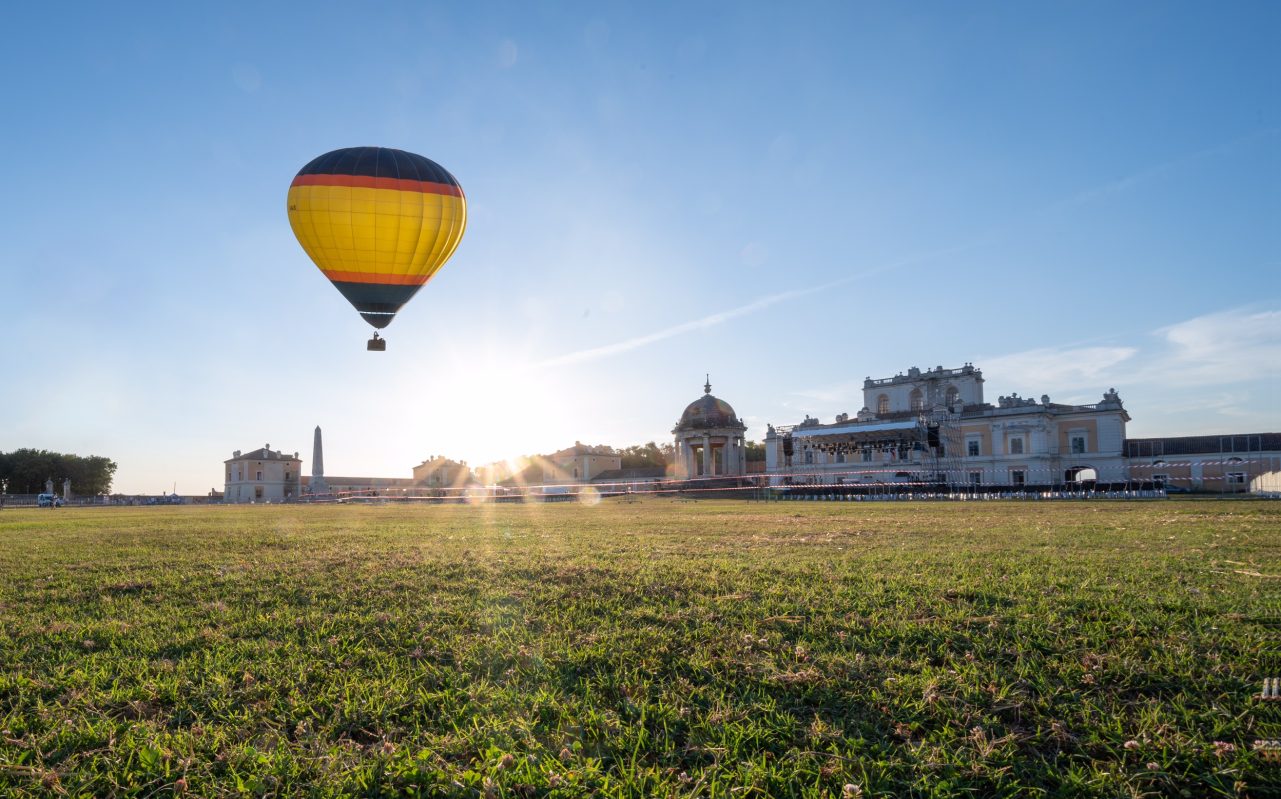 THE ROYAL PALACE OF CARDITELLO
The Tenuta Storica di Carditello (Historic Estate of Carditello), also known as the Reggia di Carditello (Royal...Read more
THE ROYAL PALACE OF CARDITELLO
The Tenuta Storica di Carditello (Historic Estate of Carditello), also known as the Reggia di Carditello (Royal...Read more -
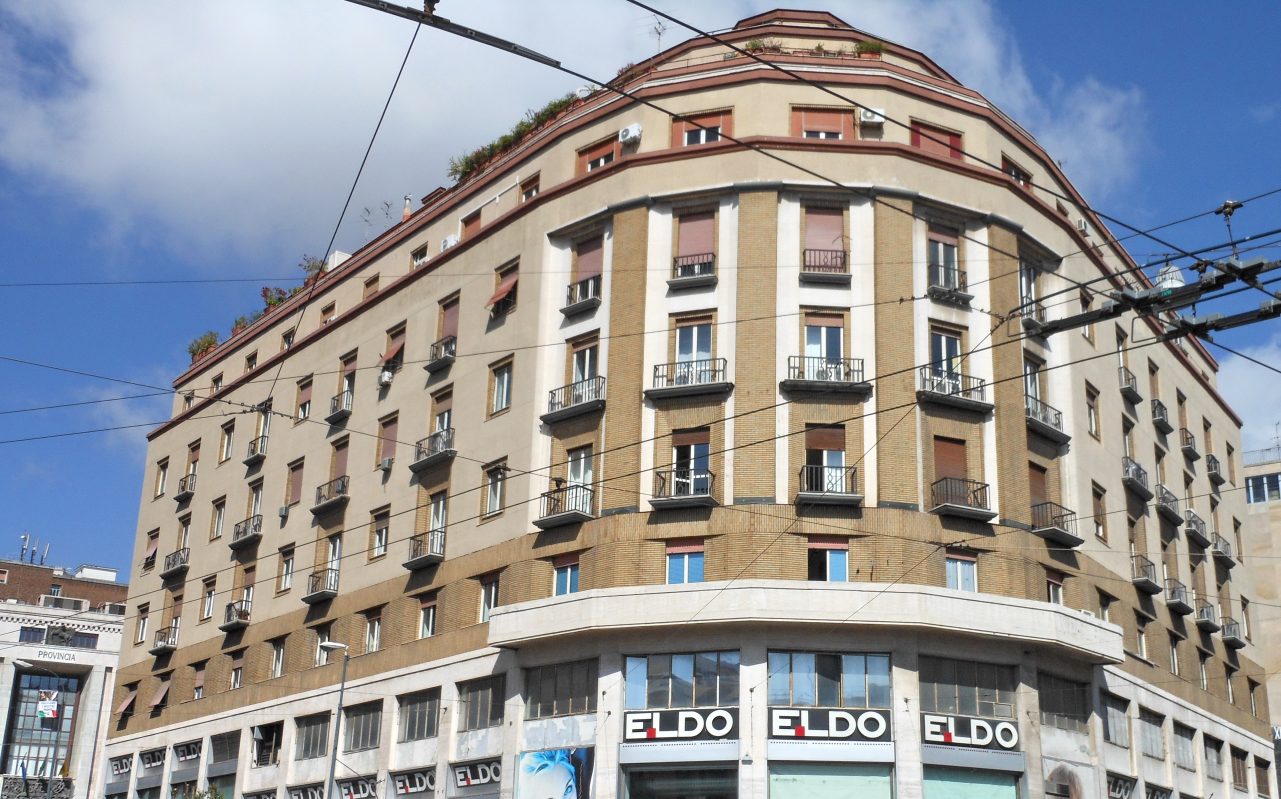 Palazzo Troise
 is a sumptuous building in Rationalist style located at Piazza Matteotti 7 in Naples.Read more
Palazzo Troise
Palazzo Troise is a sumptuous building in Rationalist style located at Piazza Matteotti 7 in Naples.Read more
Leave a comment