



La tombola napoletana è il rito di famiglia delle feste: dal panariello alle cartelle, fino ai nomi della Smorfia che...
Latest posts
-
 Tombola napoletana: la storia, il panariello e i 90 numeri della SmorfiaRead more
-
 Hoodie or T-shirt? Ten gifts under 40 euros for Naples loversRead more
There's always that moment when you need to find a gift and your budget says one thing while your heart says another....
-
 Stai sciuoto: the meaning and use of 'stay loose', and why we love it so muchRead more
A friend sees you tense and gives you a "Stai sciuoto!" (stay loose!) with a pat on the shoulder. In those two words...
-
 Neapolitan Christmas gifts: the definitive 2026 guideRead more
The longest guide of the year to get your gift right: ideas sorted by recipient and budget, with Neapolitan spirit...
-
 Regno delle Due Sicilie, the symbols: Elegant Borbonic and the Cavalluccio Rosso to wearRead more
Bourbon lilies and De Crescenzo's little red horse: the story of the symbols of the Regno delle Due Sicilie and of a...
-
 'O Munaciello: the legend, the mischief and the coins under the pillowRead more
There's a noise in the old house, an object that disappears and then reappears, a coin found on the floor. In Naples...
-
 How to choose your T-shirt size (and make it last): the Tattà® guideRead more
Sizes, fabrics and prints explained plainly, with the honesty of someone who really wears 'a maglietta' (Neapolitan...
-
 Original Neapolitan graduation gift: ideas for the graduate (him and her)Read more
In Naples, a graduation is never a private affair: it's a neighbourhood celebration. Here's how to choose an original...
-
 Asso 'e mazze: meaning and history of the Neapolitan ace of clubsRead more
The strongest card on the green table becomes, in Naples, the most elegant way to say who really calls the shots....
-
 Michelina Di Cesare, the brigantessa who defied a kingdomRead more
Born poor in Terra di Lavoro, Michelina Di Cesare chose the maquis and the rifle against a newly united Italy. A...
Blog categories
Search in blog
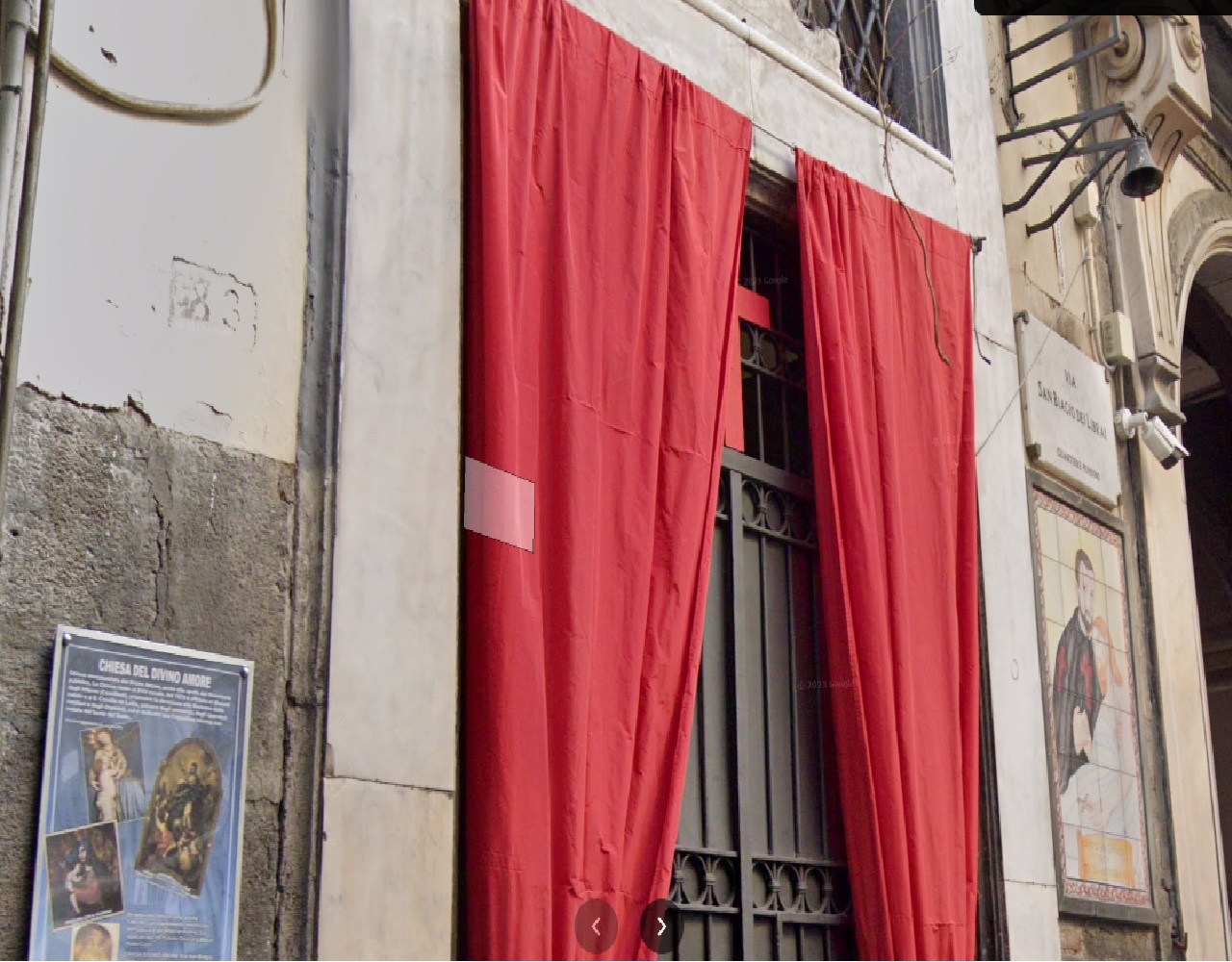
Chiesa del Divino Amore (Church of the Divine Love)
The history of the church is similar to that of the convent. The building stands on the site of Palazzo Villani, whose family member Beatrice Villani decided to have the place of worship built there. The church was rebuilt by Giovanni Battista Manni in the early 18th century according to a Greek cross plan; Manni's design gave the structures harmony and proportion.
The Chiesa di Santa Maria del Divino Amore (Church of Saint Mary of the Divine Love, or Chiesa di San Camillo) is a monumental church in the city of Naples, located between Piazzetta del Divino Amore, Via del Grande Archivio, Via de Blasiis and Vicoletto Paparelle al Pendino.
The church
The church does not have a grand façade, as the temple was built upon pre-existing sixteenth-century structures: for example, the corridor leading into the church corresponds to the atrium of the old palace. Inside, the partial marble and stucco decoration is the work of the creative genius Ferdinando Sanfelice, among which the majestic altar in inlaid marble stands out. The paintings were made by Francesco De Mura, Andrea Mattei and Giuseppe Mastroleo.
The cloister
It was built in the 17th century by Francesco Antonio Picchiatti, transforming Palazzo Villani into an enclosed convent. It was never considered of great artistic value, although the marble in some parts was notably precious; consequently, during the restoration later carried out by Ferdinando Sanfelice, the structure underwent considerable changes.
Quite different was the regard in which the local aristocracy of the time was held, so much so that most of the convent's residents came from wealthy families, who were well inclined to offer large dowries both for their daughters' taking of the veil and for their upkeep.
The transformation of the street layout carried out during the Risanamento (the great urban renewal of Naples) destroyed the western side of the building, which had previously been abandoned following the suppression of 1866. The remaining section was used as offices, a nursery and a family counselling centre.
Posted in:
Places in Naples
Related posts
-
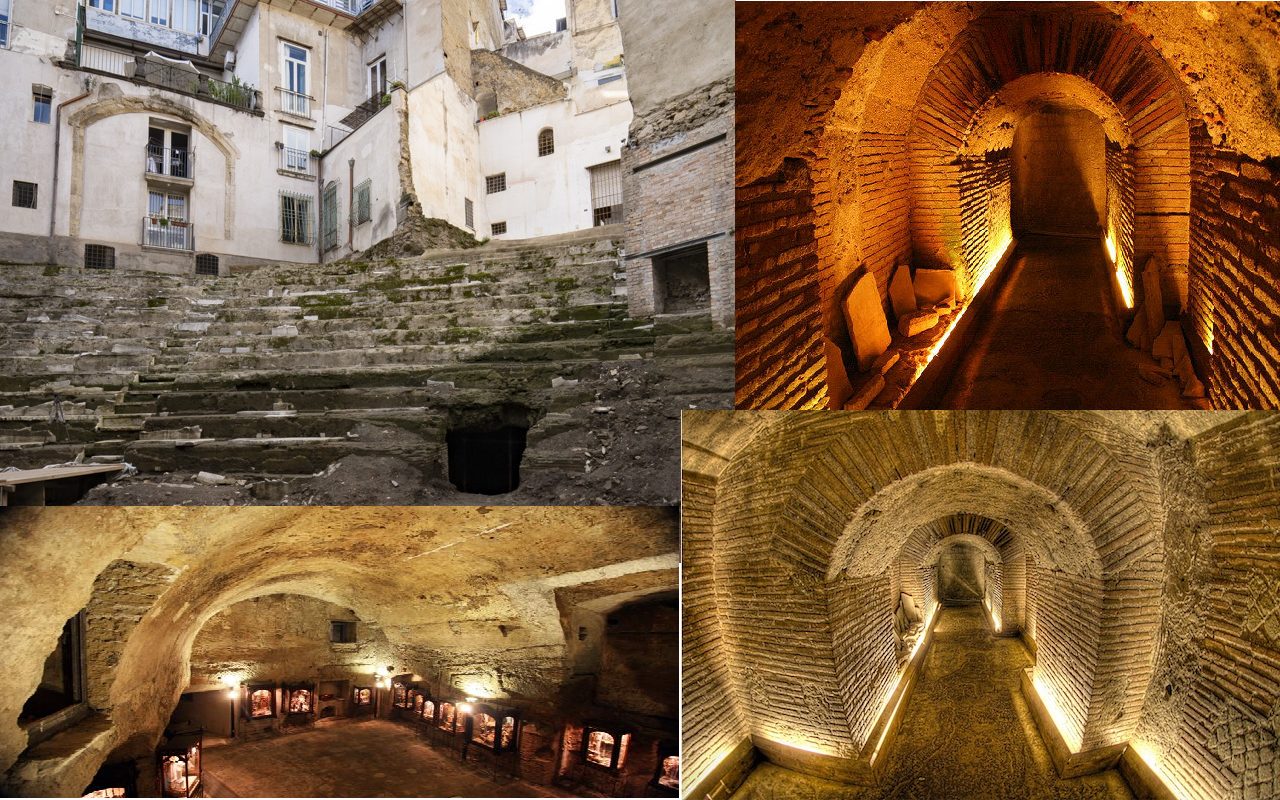 The Roman Theatre of Neapolis
Among the many wonders of Naples' historic centre stands the ancient Roman Theatre of Neapolis, between what are now...Read more
-
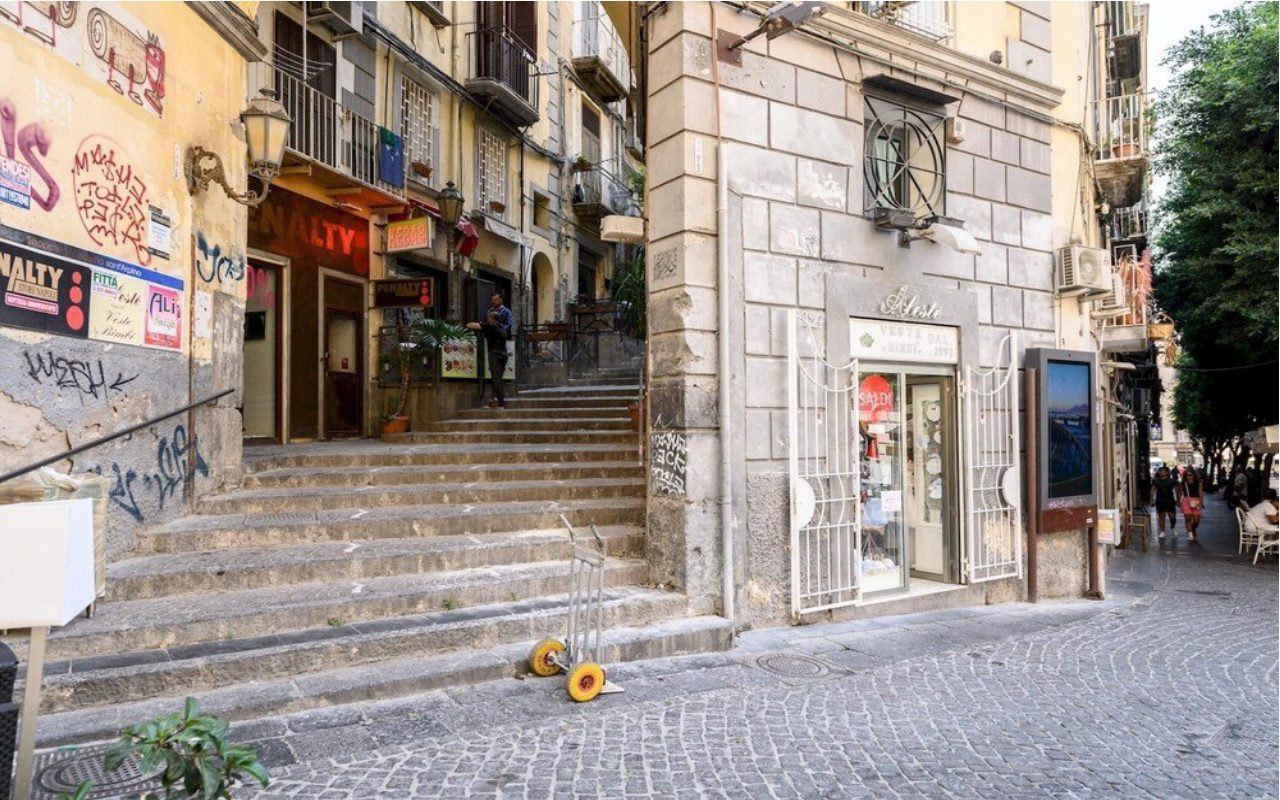 Discover Vicoletto Sant'Arpino: History and Beauty of Naples
There are corners of Naples that tell incredible stories, that take your breath away and make it unique, sincere and...Read more
-
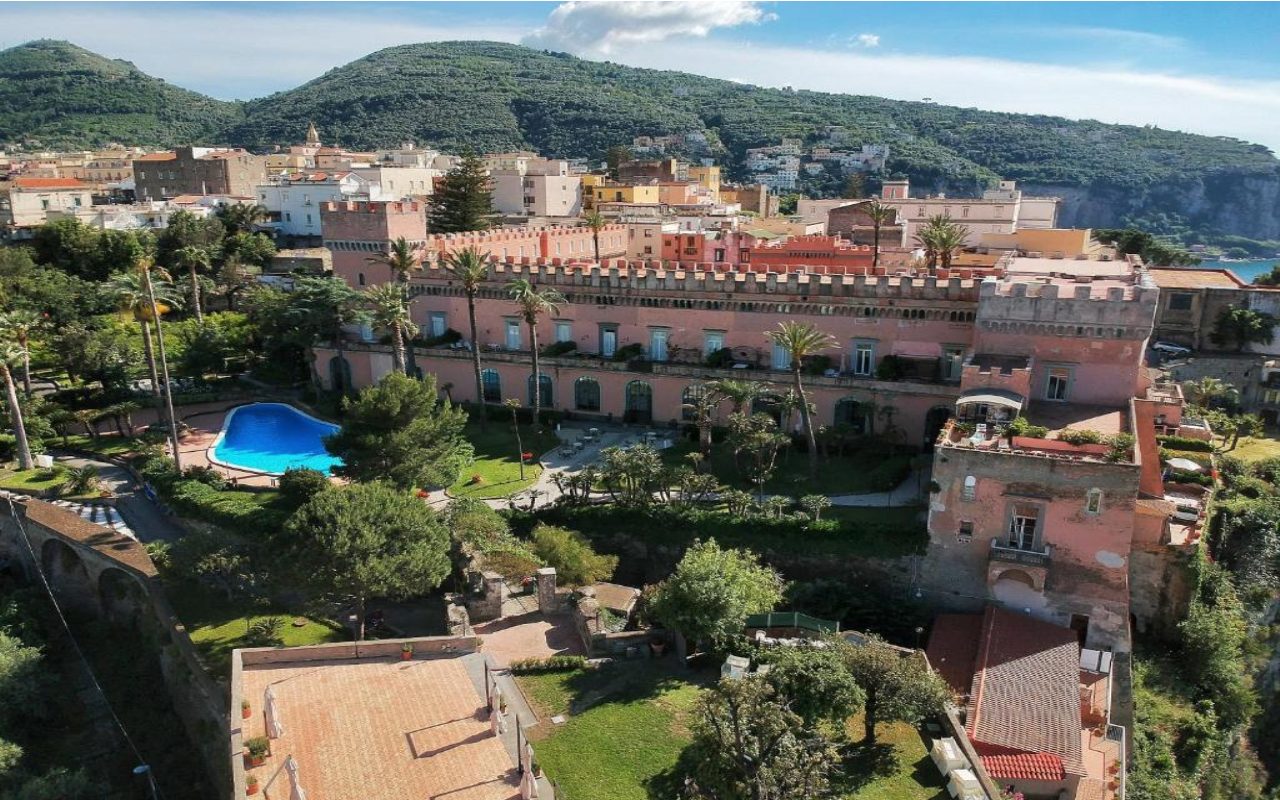 Giusso Castle: the legends of Vico Equense
Built at the end of the 13th century, Giusso Castle was designed as both a military fortress and a residence.Read more
-
 The apotropaic stone masks of lava rock and marble
Neapolitan apotropaic masks are truly fascinating works of art that can be admired on numerous historic buildings...Read more
-
 THE ROYAL PALACE OF CARDITELLO
The Tenuta Storica di Carditello (Historic Estate of Carditello), also known as the Reggia di Carditello (Royal...Read more
Leave a comment