



In Naples, a graduation is never a private affair: it's a neighbourhood celebration. Here's how to choose an original...
Latest posts
-
 Original Neapolitan graduation gift: ideas for the graduate (him and her)Read more
-
 Asso 'e mazze: meaning and history of the Neapolitan ace of clubsRead more
The strongest card on the green table becomes, in Naples, the most elegant way to say who really calls the shots....
-
 Michelina Di Cesare, the brigantessa who defied a kingdomRead more
Born poor in Terra di Lavoro, Michelina Di Cesare chose the maquis and the rifle against a newly united Italy. A...
-
 Neapolitan Hoodies: The Autumn 2026 Style GuideRead more
When the air turns crisp, in Naples people don't just reach for a hoodie: they reach for a piece of identity. Here's...
-
 Maradona Stadium: City Council allocates €50 million for Euro 2032Read more
The City Council has allocated €50 million for the redevelopment of the Diego Armando Maradona stadium, ahead of...
-
 Pizza Maxima 2026: Franco Pepe Is Once Again Best Pizzeria in ItalyRead more
At the fifth edition of Pizza Maxima, the Oscars of Italian pizza, Franco Pepe confirms his title as Best Pizzeria in...
-
 ‘L’acqua è poca e ‘a papera nun galleggia’: what it meansRead more
When the means are few, so is the result. Let's discover the most realistic Neapolitan saying there is.
-
 Avanti Scugnizzi: the story of the year's most loved T-shirtRead more
One word, ‘scugnizzo’ (Neapolitan street kid), and it holds the whole of Naples inside it. We tell you how the year's...
-
 'Chi chiagne fotte a chi ride': what it means and why it's truer than everRead more
At the market, at the counter, in the family: there's always someone who complains and gets more. It's the sharp...
-
 San Gennà, futtatenne! (Saint Januarius, don't worry about it!) San Gennaro, 19 September and the patron saint's t-shirtRead more
Who San Gennaro was, the miracle of the blood that liquefies, and the feast on 19 September. Plus that close,...
Blog categories
Search in blog
Archived posts
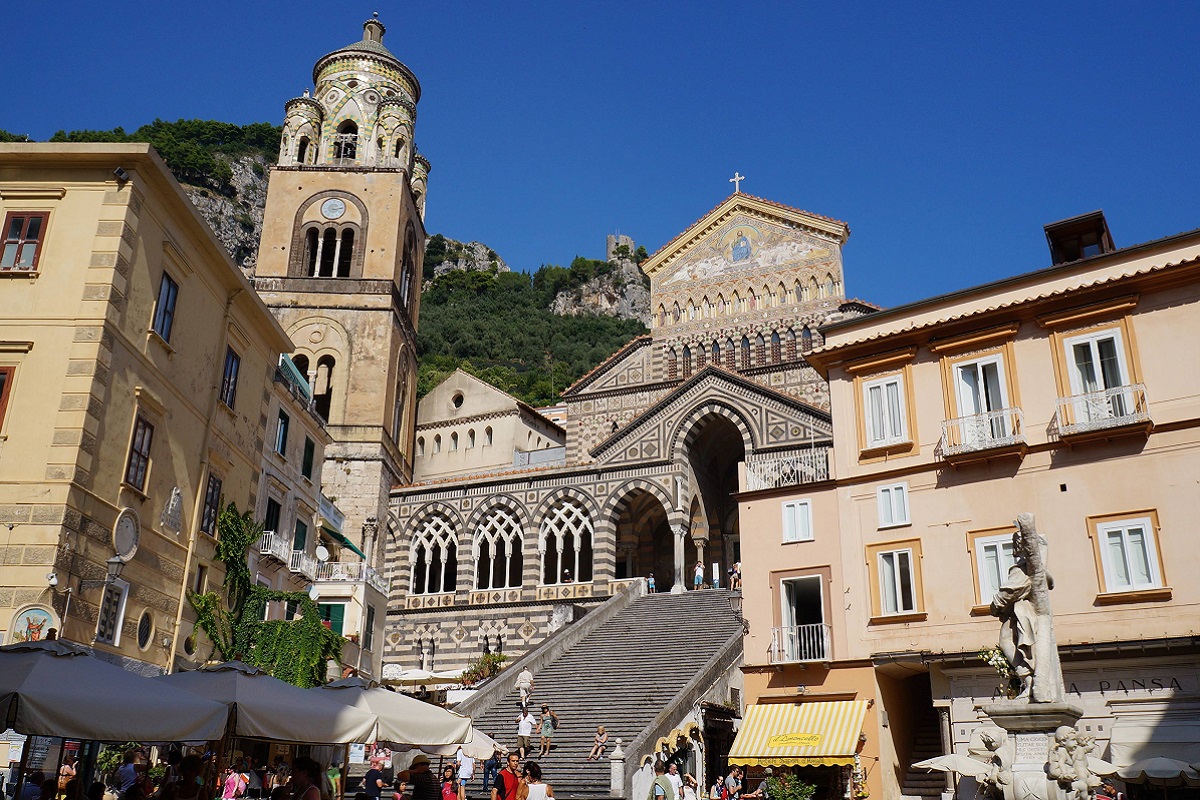
Amalfi: history, land and atmosphere
An ancient maritime republic, its founding is attributed by some sources to the Romans. From the 9th century onwards, alongside Pisa, Venice and Genoa, Amalfi sought to gain control of the Mediterranean Sea.
by Alessia Giannino
Amalfi is one of the most renowned tourist destinations in Campania. Since 1997 it has given its name to what we know as the Amalfi Coast, declared a UNESCO World Heritage Site.
History
An ancient maritime republic, its founding is attributed by some sources to the Romans.
From the 9th century onwards, alongside Pisa, Venice and Genoa, Amalfi sought to gain control of the Mediterranean Sea. The town saw its greatest splendour in the 11th century, but a rapid decline soon followed, reaching its peak with a storm that destroyed much of the town.
Of great importance is its paper-making industry, so much so that, even today, Amalfi remains highly significant for the production of its fine papers.
Every year, especially during the summer, the town is full of tourists (among them many internationally renowned VIPs), on whom its economy is largely based: the sea and the little streets of Amalfi, in fact, draw travellers from every corner of the world each year, not to mention that they represent the main features around which the wedding tourism booming in the area revolves.
The Cathedral and the Churches
The town's most celebrated monument is undoubtedly the Cathedral, built in Arab-Sicilian style, dedicated to Sant'Andrea (Saint Andrew), the town's patron saint. The building is made up of several churches from different eras, so rather than a single cathedral, one might more accurately speak of a complex.
According to legend, in 1218 San Francesco d'Assisi (Saint Francis of Assisi) visited this magnificent building to venerate the apostle's relics and, captivated by the beauty of the place, stayed in the town for two years. During this time he founded the convent of Santa Maria degli Angeli, later dedicated to Sant'Antonio (Saint Anthony).
The Church has a single nave, renovated in the seventeenth century in a Baroque style.
The cloister can only be visited on the afternoon of the feast day of the saint from Padua, and it reflects the Franciscan simplicity of its design.
There are also a great many churches in Amalfi: the Basilica del Crocifisso and the Diocesan Museum, the Church of Santa Maria Maggiore, the Church of the Madonna di Pompei, the Church of San Nicola dei Greci, the Church of the Addolorata, the Sanctuary of the Madonna del Rosario, the Church of Maria SS. Assunta in Cielo, the Church of the Madonna del Pino, the Church of Santa Marina, the Sanctuary of the Madonna delle Grazie, the Church of San Pietro and the Church of San Michele Arcangelo.
Other places of interest include the Fontana di Sant'Andrea (Fountain of Saint Andrew), featuring a sculpture of the patron saint carved in the eighteenth century. It was originally placed right by the steps of the Cathedral, but in the twentieth century it was moved. Another important fountain is that of Cap 'e Ciuccio (Donkey's Head), which takes its name from the fact that it was here, where the water still flows today, that the donkeys coming from the Valle delle Ferriere would come to drink.
Posted in:
Places in Naples
Related posts
-
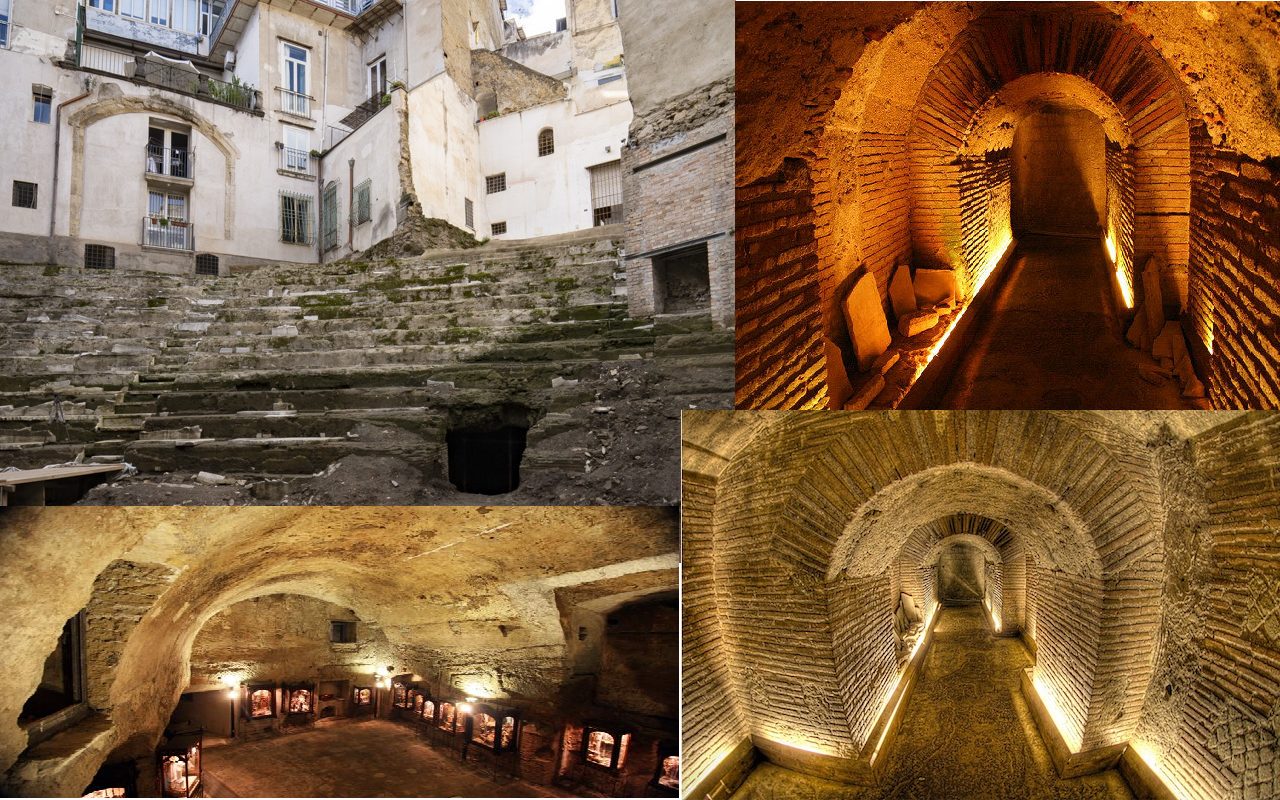 The Roman Theatre of Neapolis
Among the many wonders of Naples' historic centre stands the ancient Roman Theatre of Neapolis, between what are now...Read more
-
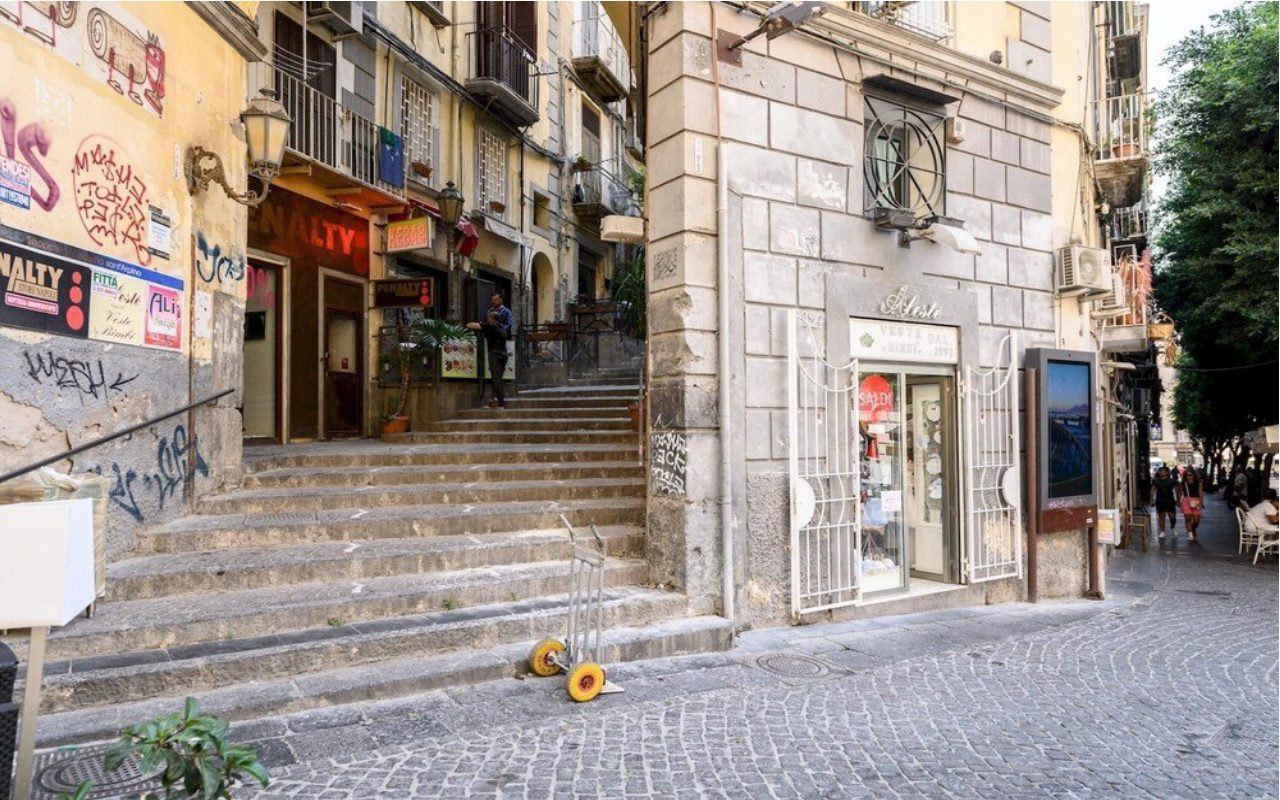 Discover Vicoletto Sant'Arpino: History and Beauty of Naples
There are corners of Naples that tell incredible stories, that take your breath away and make it unique, sincere and...Read more
-
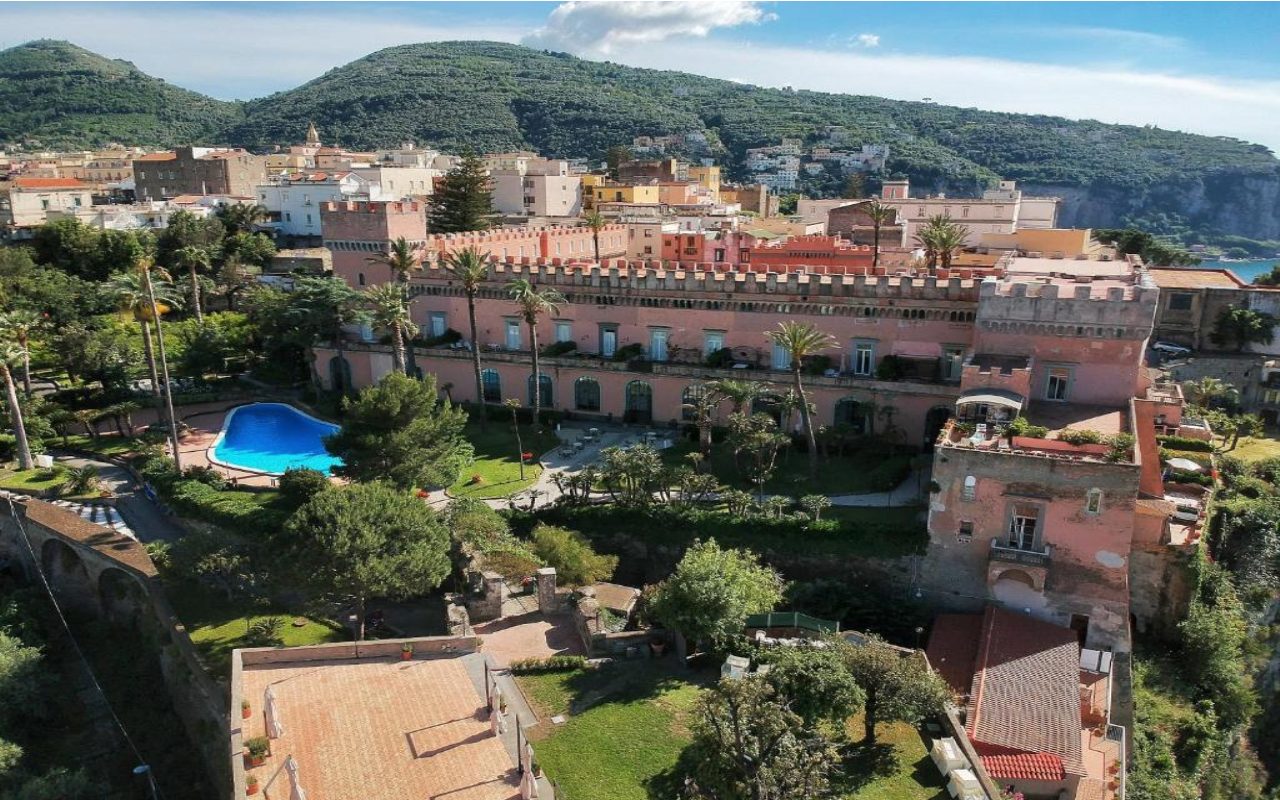 Giusso Castle: the legends of Vico Equense
Built at the end of the 13th century, Giusso Castle was designed as both a military fortress and a residence.Read more
-
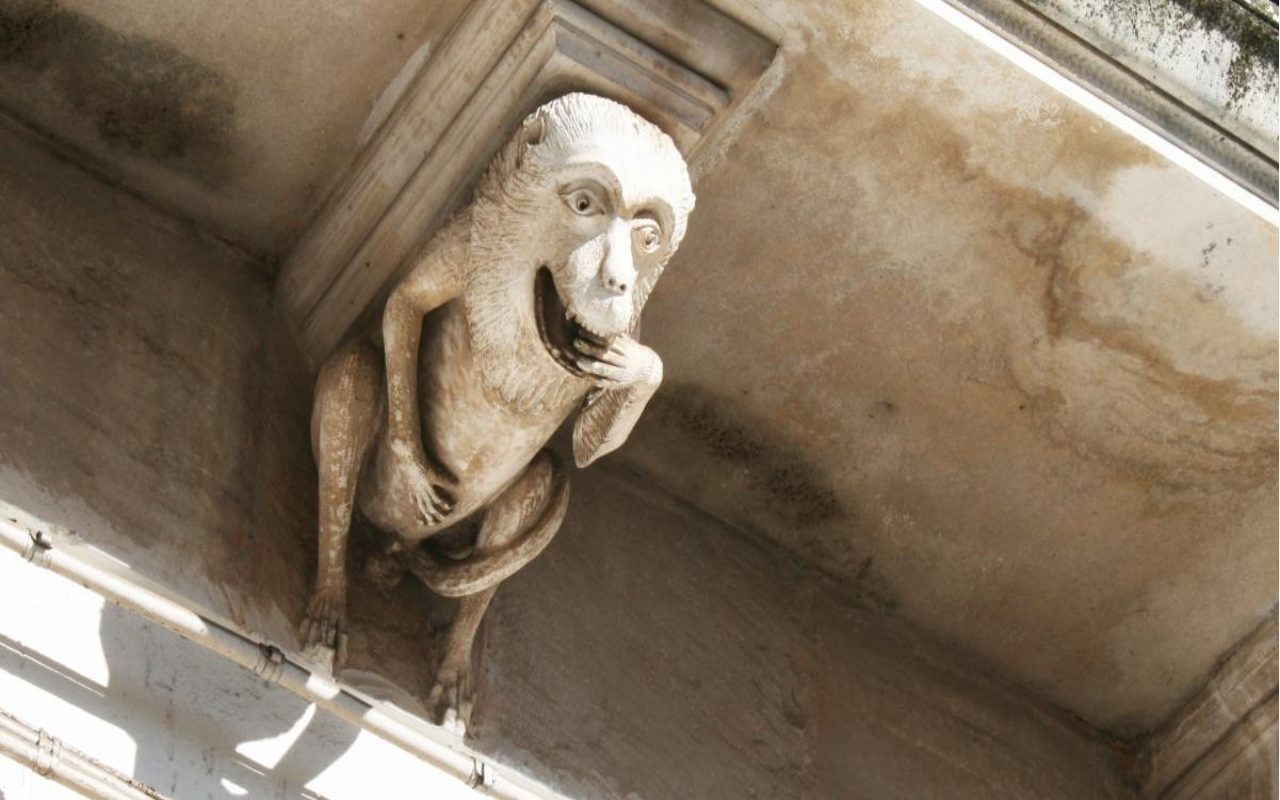 The apotropaic stone masks of lava rock and marble
Neapolitan apotropaic masks are truly fascinating works of art that can be admired on numerous historic buildings...Read more
-
 THE ROYAL PALACE OF CARDITELLO
The Tenuta Storica di Carditello (Historic Estate of Carditello), also known as the Reggia di Carditello (Royal...Read more
Leave a comment