



In Naples, a graduation is never a private affair: it's a neighbourhood celebration. Here's how to choose an original...
Latest posts
-
 Original Neapolitan graduation gift: ideas for the graduate (him and her)Read more
-
 Asso 'e mazze: meaning and history of the Neapolitan ace of clubsRead more
The strongest card on the green table becomes, in Naples, the most elegant way to say who really calls the shots....
-
 Michelina Di Cesare, the brigantessa who defied a kingdomRead more
Born poor in Terra di Lavoro, Michelina Di Cesare chose the maquis and the rifle against a newly united Italy. A...
-
 Neapolitan Hoodies: The Autumn 2026 Style GuideRead more
When the air turns crisp, in Naples people don't just reach for a hoodie: they reach for a piece of identity. Here's...
-
 Maradona Stadium: City Council allocates €50 million for Euro 2032Read more
The City Council has allocated €50 million for the redevelopment of the Diego Armando Maradona stadium, ahead of...
-
 Pizza Maxima 2026: Franco Pepe Is Once Again Best Pizzeria in ItalyRead more
At the fifth edition of Pizza Maxima, the Oscars of Italian pizza, Franco Pepe confirms his title as Best Pizzeria in...
-
 ‘L’acqua è poca e ‘a papera nun galleggia’: what it meansRead more
When the means are few, so is the result. Let's discover the most realistic Neapolitan saying there is.
-
 Avanti Scugnizzi: the story of the year's most loved T-shirtRead more
One word, ‘scugnizzo’ (Neapolitan street kid), and it holds the whole of Naples inside it. We tell you how the year's...
-
 'Chi chiagne fotte a chi ride': what it means and why it's truer than everRead more
At the market, at the counter, in the family: there's always someone who complains and gets more. It's the sharp...
-
 San Gennà, futtatenne! (Saint Januarius, don't worry about it!) San Gennaro, 19 September and the patron saint's t-shirtRead more
Who San Gennaro was, the miracle of the blood that liquefies, and the feast on 19 September. Plus that close,...
Blog categories
Search in blog
Archived posts
Naples VS Venice
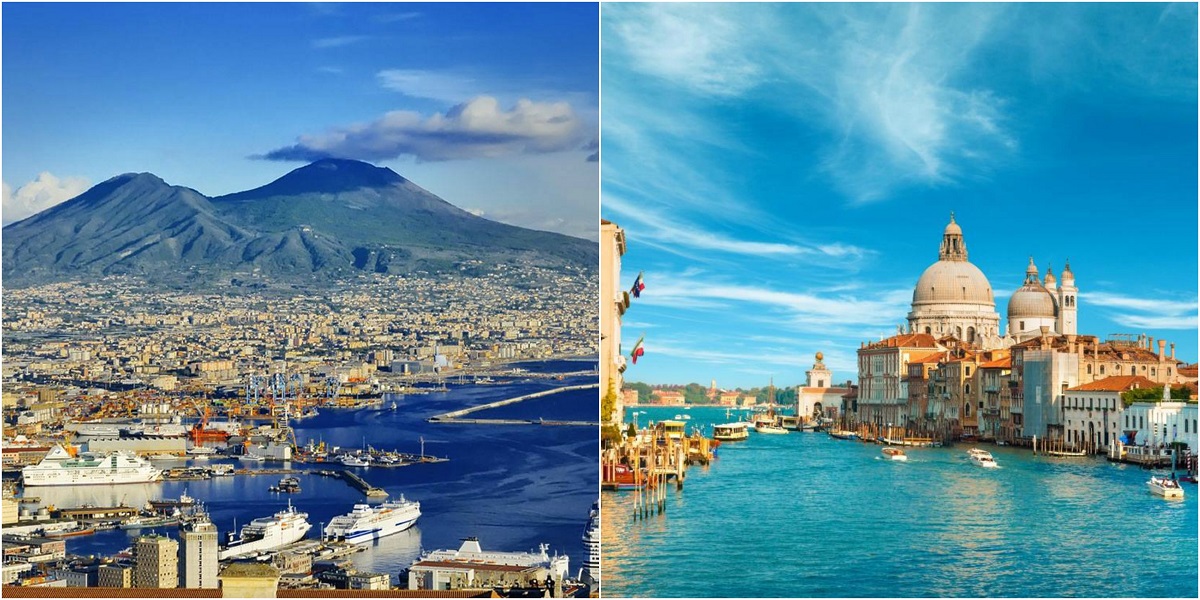
Venice, like Naples, is a city of water. In Naples the sea, Vesuvius and the islands; in Venice the river, the canals and the gondolas. Two cities united by water, yet so different in culinary traditions and places to see. Let's look together at these differences.
by Alessia Giannino
Venice, like Naples, is a city of water.
In Naples the sea, Vesuvius and the islands; in Venice the river, the canals and the gondolas. Two cities united by water, yet so different in culinary traditions and places to see. Let's look together at these differences.
- Piazza Plebiscito / Piazza San Marco
Piazza San Marco is considered Europe's drawing room: it is the most important square in Venice, being the only one to be called a “piazza”; all the others, in fact, are known as “campi” (fields). Renowned the world over for its beauty and architectural integrity, it has a trapezoidal shape and is 170 metres long.
Piazza del Plebiscito, on the other hand, is the most important square in Naples. It lies at the heart of the city, between the Lungomare (seafront) and Via Toledo, and is one of the largest squares in Italy. Around its perimeter stand important buildings such as the Palazzo Reale (Royal Palace) and the Basilica di San Francesco di Paola. A firm favourite especially with tourists, it hosts events and concerts.
- Marechiaro / Canal Grande
The Canal Grande (Grand Canal) is Venice's main waterway: it divides the historic centre in two, tracing an inverted S from the Ponte della Libertà to the Bacino di San Marco. The canal is lined with magnificent palaces, most of them from the 12th to the 18th century. Here, every year, the Venetians relive their ancient traditions, such as the famous Regata Storica (Historical Regatta). Venice has the Grand Canal, Naples has Marechiaro.
The uniqueness and beauty of the latter is truly remarkable. Marechiaro is one of the most beautiful spots in the city, with its little restaurants overlooking the sea and the small boats that, in summer, carry tourists and Neapolitans alike to the famous cliff, where you can catch the best sun and swim in impossibly blue water.
- Duomo di Napoli / Basilica di San Marco
The Basilica di San Marco (St Mark's Basilica) is Venice's principal church. Together with its namesake bell tower and square, it is the city's main monument, as well as one of the symbols of the peninsula. Until the fall of the Repubblica Serenissima (Most Serene Republic), it was the palatine church of the neighbouring Doge's Palace. In 1807 it became a cathedral and holds the dignity of a minor basilica. The Duomo di Napoli (Naples Cathedral), on the other hand, is one of the most important monuments in the Neapolitan city, seat of the archdiocese. It stands along the street of the same name, in a small square surrounded by porticoes, and inside it houses the royal chapel of the Tesoro di San Gennaro (Treasury of San Gennaro), which holds the relics of the city's patron saint. From an artistic point of view it is certainly one of the most important churches in Naples, as several styles overlap within it: from fourteenth-century Gothic to nineteenth-century neo-Gothic. It also hosts, three times a year, the rite of the liquefaction of the blood of San Gennaro.
- Ponte del Castel dell'Ovo / Ponte dei Sospiri
The Ponte dei Sospiri (Bridge of Sighs) is one of the most photographed bridges in Italy, built in Istrian stone in Baroque style. It stands not far from Piazza San Marco and connects the Palazzo Ducale (Doge's Palace) to the Prigioni Nuove (New Prisons); indeed, it was used as a passage for prisoners on their way to the offices of the State Inquisitors.
Naples, a city of the sea rather than of rivers, has very few bridges, one of which connects Partenope to the islet of Megaride, where the famous Castel dell'Ovo (Egg Castle) stands. The bridge is certainly made all the more evocative by a series of lamp posts lighting the way to the castle.
- Pasta e patate / Risi e bisi
“Risi e bisi” (rice and peas) is a typical Venetian dish. It's a kind of risotto with peas, but with a particular texture, somewhere between a risotto, precisely, and a soup. It is cooked mainly in the winter months but, being a traditional dish, it is also eaten in spring.
There's no comparison, though, with Neapolitan “pasta e patate con la provola” (pasta and potatoes with smoked provola cheese). A creamy, stringy dish. Some make it plain, others add a little tomato sauce: either way, it's truly delicious.
- Palazzo dello Spagnuolo / Palazzo Fortuny
Palazzo Fortuny is a Gothic palace in Venice: it stands in the San Marco district and takes its name from its last owner, Maria Fortuny i de Madrazo. It was founded in the 15th century by the nobles of Pesaro, who lived there until the 18th century. It later became the seat of the Accademia Filarmonica degli Orfei and, finally, Mariano Fortuny bought it, turning it into his own atelier, as he was a photographer and set designer.
Palazzo dello Spagnuolo, on the other hand, is one of the many noble palaces of Naples, even though it stands in the Rione Sanità district. Built in 1738 on commission from Marquis Nicola Moscati, the project was entrusted to Ferdinando Sanfelice. Famous for its double-flight staircase, known as “falcon wings”, the palace in Neapolitan Baroque style is still considered one of the most beautiful in the city today.
- Biblioteca dei Girolamini / Biblioteca Nazionale Marciana
The Biblioteca Nazionale Marciana (Marciana National Library), also known as the Library of San Marco, is one of the largest in Italy. It stands on the lower part of Piazza San Marco, between the Bell Tower and the Mint. It holds one of the world's finest collections of Greek, Latin and Oriental manuscripts.
The Biblioteca dei Girolamini in Naples, on the other hand, is a state cultural institution. It holds a vast and hugely important collection of books. It has been open to the public since 1586 and is the oldest library in Naples, second in Italy only to the Malatestiana library in Cesena.
- Salsicce e friarielli / Fegato alla veneziana
“Fegato alla veneziana” (Venetian-style liver) is perhaps the most famous dish of traditional Venetian cuisine, as it seems to date back to the Romans. Even then, in fact, it was customary to cook goose and pork liver, today replaced with veal, and figs were used to mask the smell of the meat. Over time the recipe has changed, and today Venetians use white onion instead of the fruit.
It may well be Venice's traditional dish, but nothing beats Neapolitan “salsicce con i friarielli” (sausages with friarielli). This dish is one of the most traditional in Naples: friarielli, in particular, are a slightly bitter vegetable, similar to broccoli, found only in Campania.
- Kayak / Gondole
The gondola is a typical Venetian boat. Fast and manoeuvrable, it is the most suitable means for transporting people in a city like Venice, where the canals are certainly used more than ordinary streets.
Just as Venice has its gondolas, Naples often uses boats too, especially to reach the islands and the Amalfi Coast. Besides boats, in more recent times the kayak has also come into use: a kind of canoe with which many Neapolitans and tourists take tours of the Neapolitan coastline.
- Teatro San Carlo / Gran Teatro La Fenice
The Gran Teatro La Fenice stands in the San Marco district and is Venice's most important opera house. It was destroyed twice and rebuilt, and has hosted important opera and symphony seasons. It is no match, however, for the Teatro San Carlo, one of the most famous and prestigious in the world. It is, in fact, the oldest opera house in Europe and, above all, one of the few still active today.
Posted in:
Places in Naples
Related posts
-
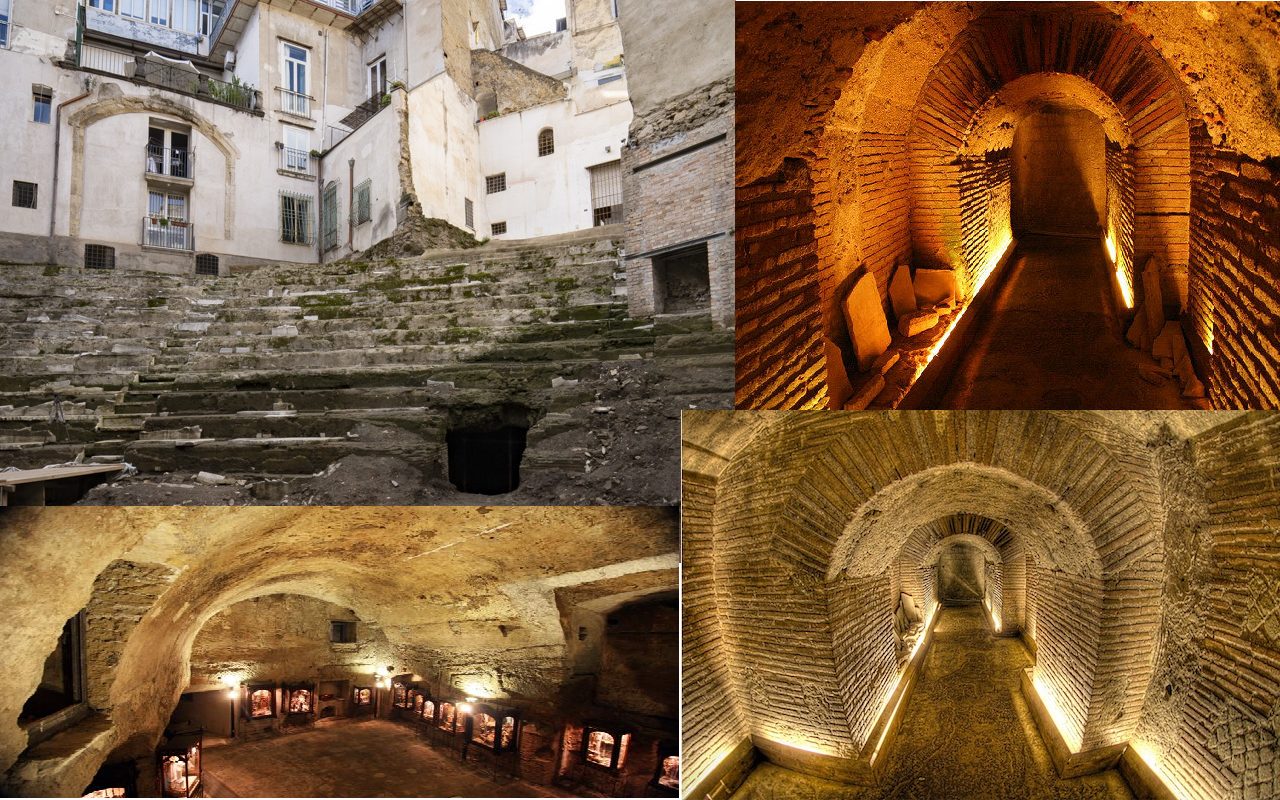 The Roman Theatre of Neapolis
Among the many wonders of Naples' historic centre stands the ancient Roman Theatre of Neapolis, between what are now...Read more
-
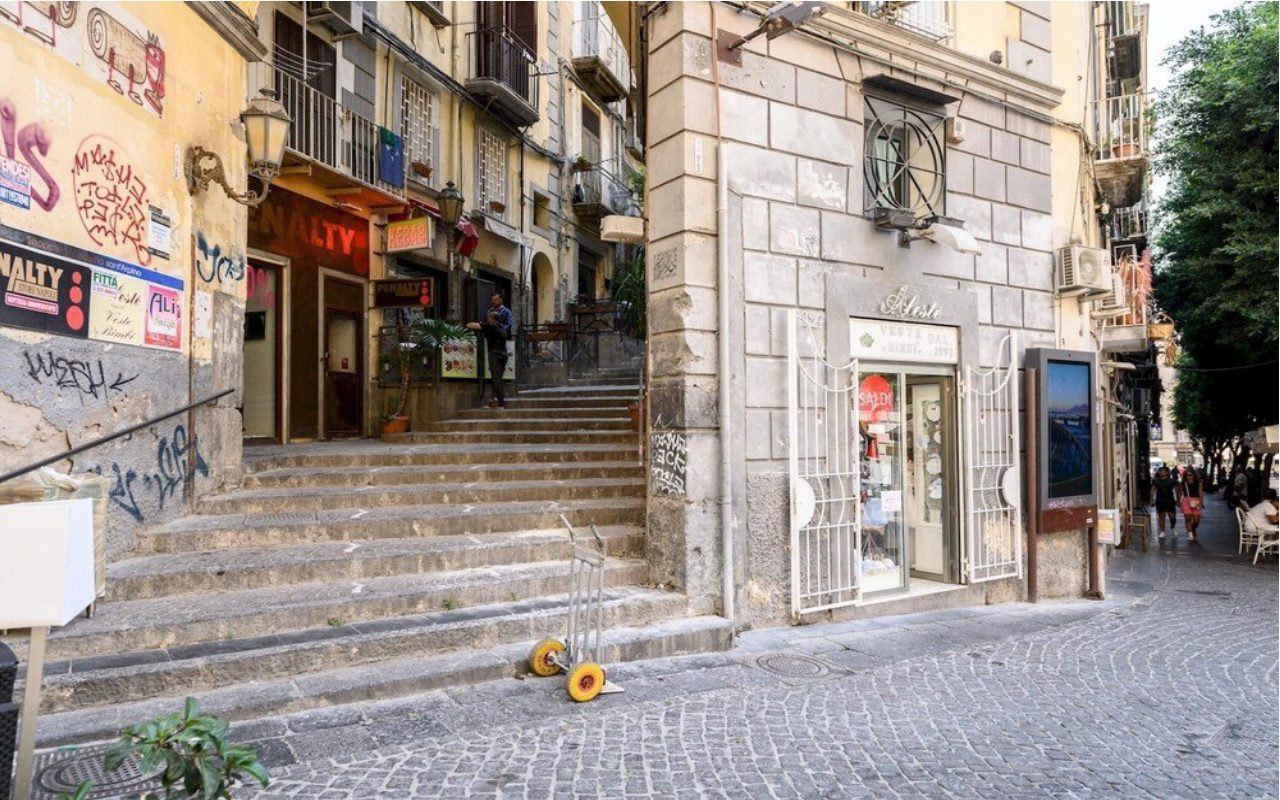 Discover Vicoletto Sant'Arpino: History and Beauty of Naples
There are corners of Naples that tell incredible stories, that take your breath away and make it unique, sincere and...Read more
-
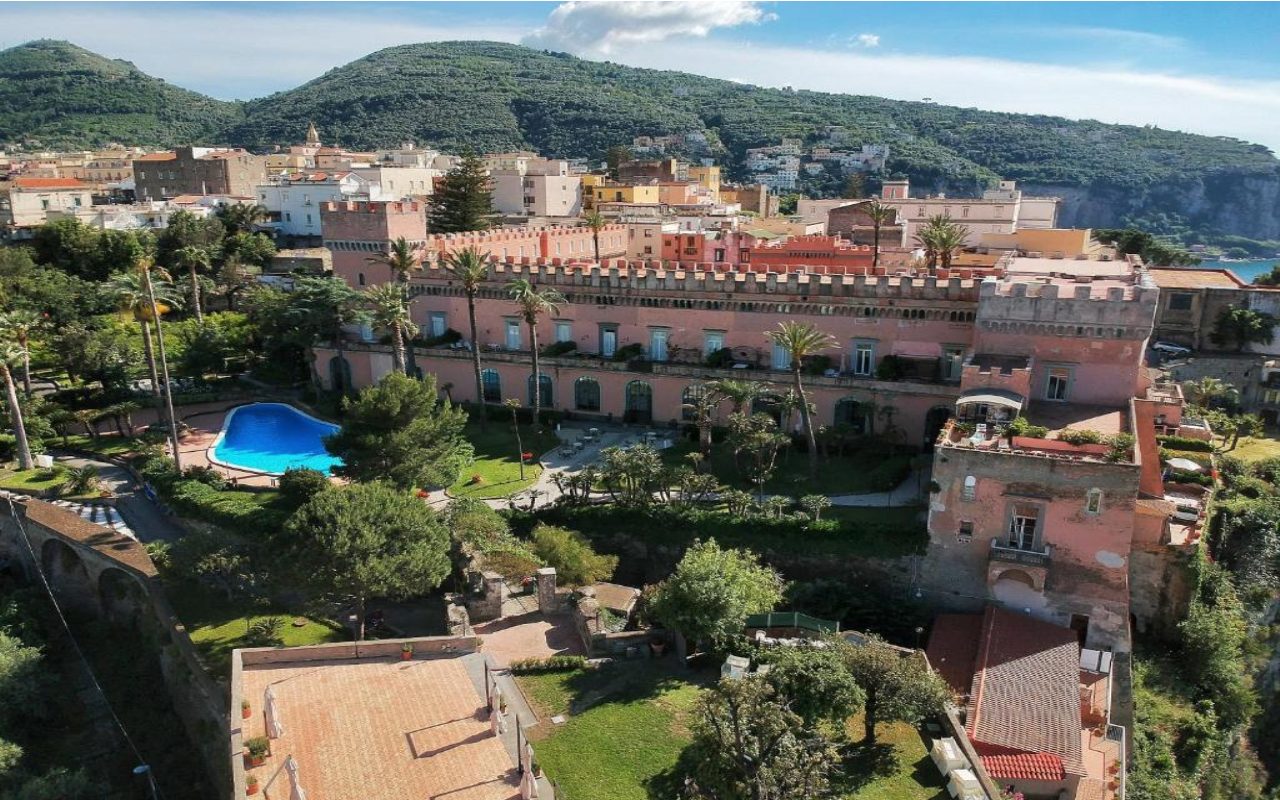 Giusso Castle: the legends of Vico Equense
Built at the end of the 13th century, Giusso Castle was designed as both a military fortress and a residence.Read more
-
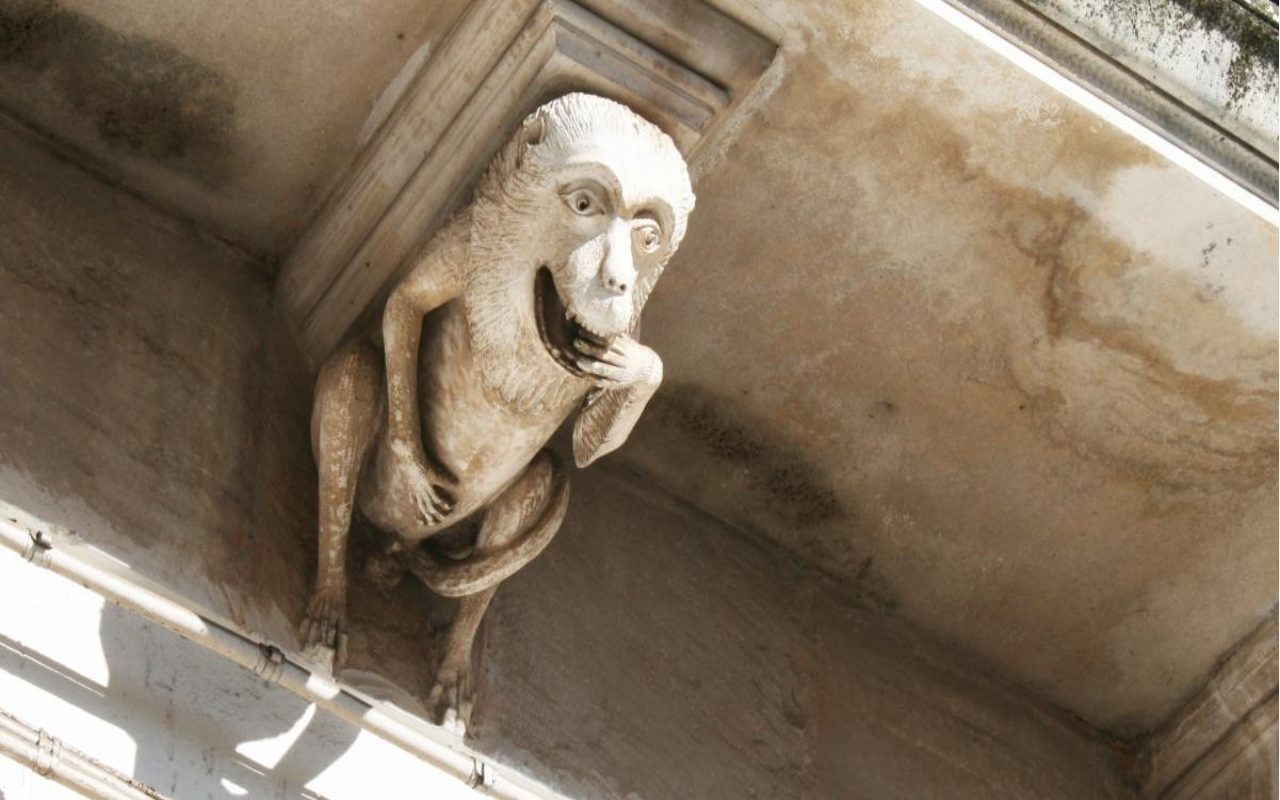 The apotropaic stone masks of lava rock and marble
Neapolitan apotropaic masks are truly fascinating works of art that can be admired on numerous historic buildings...Read more
-
 THE ROYAL PALACE OF CARDITELLO
The Tenuta Storica di Carditello (Historic Estate of Carditello), also known as the Reggia di Carditello (Royal...Read more
Leave a comment