



Born poor in Terra di Lavoro, Michelina Di Cesare chose the maquis and the rifle against a newly united Italy. A...
Latest posts
-
 Michelina Di Cesare, the brigantessa who defied a kingdomRead more
 -
 Neapolitan Hoodies: The Autumn 2026 Style GuideRead more
When the air turns crisp, in Naples people don't just reach for a hoodie: they reach for a piece of identity. Here's...
-
 Maradona Stadium: City Council allocates €50 million for Euro 2032Read more
The City Council has allocated €50 million for the redevelopment of the Diego Armando Maradona stadium, ahead of...
-
 Pizza Maxima 2026: Franco Pepe Is Once Again Best Pizzeria in ItalyRead more
At the fifth edition of Pizza Maxima, the Oscars of Italian pizza, Franco Pepe confirms his title as Best Pizzeria in...
-
 ‘L’acqua è poca e ‘a papera nun galleggia’: what it meansRead more
When the means are few, so is the result. Let's discover the most realistic Neapolitan saying there is.
-
 Avanti Scugnizzi: the story of the year's most loved T-shirtRead more
One word, ‘scugnizzo’ (Neapolitan street kid), and it holds the whole of Naples inside it. We tell you how the year's...
-
 'Chi chiagne fotte a chi ride': what it means and why it's truer than everRead more
At the market, at the counter, in the family: there's always someone who complains and gets more. It's the sharp...
-
 San Gennà, futtatenne! (Saint Januarius, don't worry about it!) San Gennaro, 19 September and the patron saint's t-shirtRead more
Who San Gennaro was, the miracle of the blood that liquefies, and the feast on 19 September. Plus that close,...
-
 'O purpo se coce int'a ll'acqua soja: what it means (o purpo se coce meaning)Read more
Someone has wronged you, and instead of reacting, you wait in silence with a smile? Here's the Neapolitan proverb...
-
 Cazzimma: meaning, origin and why it can't be translatedRead more
There's a word that explains everything in Naples and can't be translated into any language. It's called cazzimma,...
Blog categories
Search in blog
Archived posts
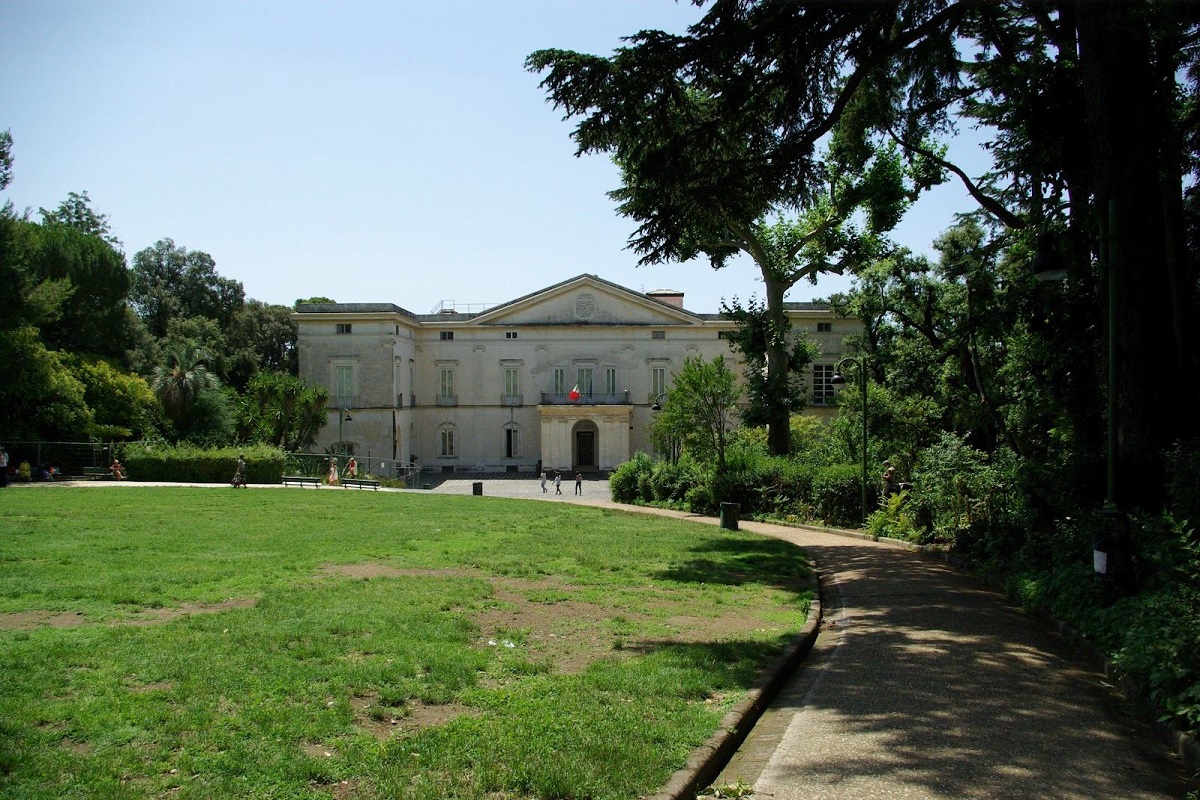
Villa Floridiana and the Ceramics Museum
Villa Floridiana is a site of historic and artistic interest in Naples. The complex was once part of the buildings used by the Bourbon royals and, since 1927, has also housed the Duca di Martina National Ceramics Museum.
by Alessia Giannino
Villa Floridiana is a site of historic and artistic interest in Naples.
The complex was once part of the buildings used by the Bourbon royals and, since 1927, has also housed the Duca di Martina National Ceramics Museum.
History
Floridiana was purchased in 1815 by Ferdinand IV of Bourbon for his wife Lucia Migliaccio, Duchess of Floridia, widow of Prince Benedetto III Grifeo di Partanna, from whom the name derives.
Later, in 1917, the king also purchased the neighbouring property, gaining a second entrance towards Chiaia. The architect Antonio Niccolini was tasked with restructuring the old building, creating the villa in neoclassical style with an extensive romantic-style park, complete with avenues and paths designed and laid out by Friedrich Dehnhardt, director of the Botanical Garden of Naples. He adorned the park with 150 species of plants, including holm oaks, palms, pines, plane trees, box hedges and a rich collection of camellias.
When the works were completed, the complex included two villas: Villa Lucia and Villa Floridia, along with an open-air theatre, a small circular temple and greenhouses. Upon the death of Ferdinand IV and his wife, the entire complex was inherited by the children from the duchess's first marriage. Villa Lucia and part of the park were later sold to Count Pasquale Mancini, who made it his family residence. Floridiana and the rest of the park, on the other hand, were purchased by the State in 1919, which displayed there the ceramic collections of the Duke of Martina.
Today
Today the museum houses a very rich collection of objects from the second half of the nineteenth century, collected and donated to the city of Naples in 1911 by the Duke himself. As for the villa's furnishings and decorations, very little remains: mythological deities, nymphs and sea monsters were rendered in stucco or painted against light green and lilac backgrounds. The decoration of the great gallery, however, is still visible today and, at the centre of the two main walls, features two marble fireplaces with Ionic columns topped by large mirrors. The vault was painted by Giuseppe Cammarano.
As for the museum, it is spread over three floors:
- on the ground floor, alongside some paintings, are displayed ivories, enamels, tortoiseshell, corals and bronzes from the medieval and Renaissance periods, Renaissance and Baroque majolica, glass and crystal from the 15th–18th centuries, furniture, small chests and decorative objects;
- on the first floor, visitors can admire the collection of European porcelain from the 18th century, made up of groups from the most important eighteenth-century manufacturers — Meissen, Doccia, Naples and Capodimonte — as well as French, German and English porcelain.
- on the basement floor, finally, a section of Oriental art objects has been rearranged in recent years, notably including the collection of Chinese porcelain from the Ming (1368–1644) and Qing (1644–1911) dynasties, as well as Japanese Kakiemon and Imari pieces.
Address and contacts
Address: via Cimarosa, 77 / via Aniello Falcone, 171 - 80127 Naples
Tel. 081.5788418/5569803/2294700/0815781776
Web: pm-cam.martina@beniculturali.it / mbac-pm-cam@mailcert.beniculturali.it
Posted in:
Places in Naples
Related posts
-
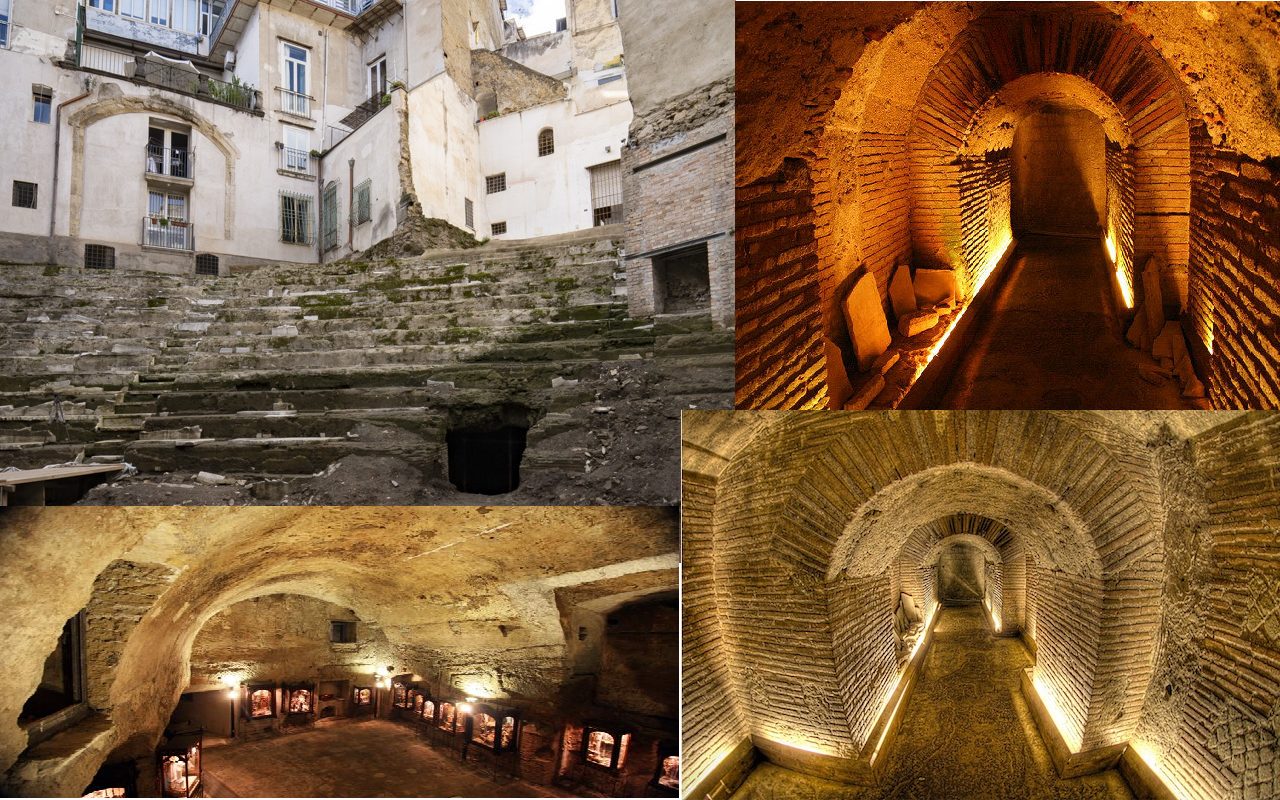 The Roman Theatre of Neapolis
Among the many wonders of Naples' historic centre stands the ancient Roman Theatre of Neapolis, between what are now...Read more
The Roman Theatre of Neapolis
Among the many wonders of Naples' historic centre stands the ancient Roman Theatre of Neapolis, between what are now...Read more -
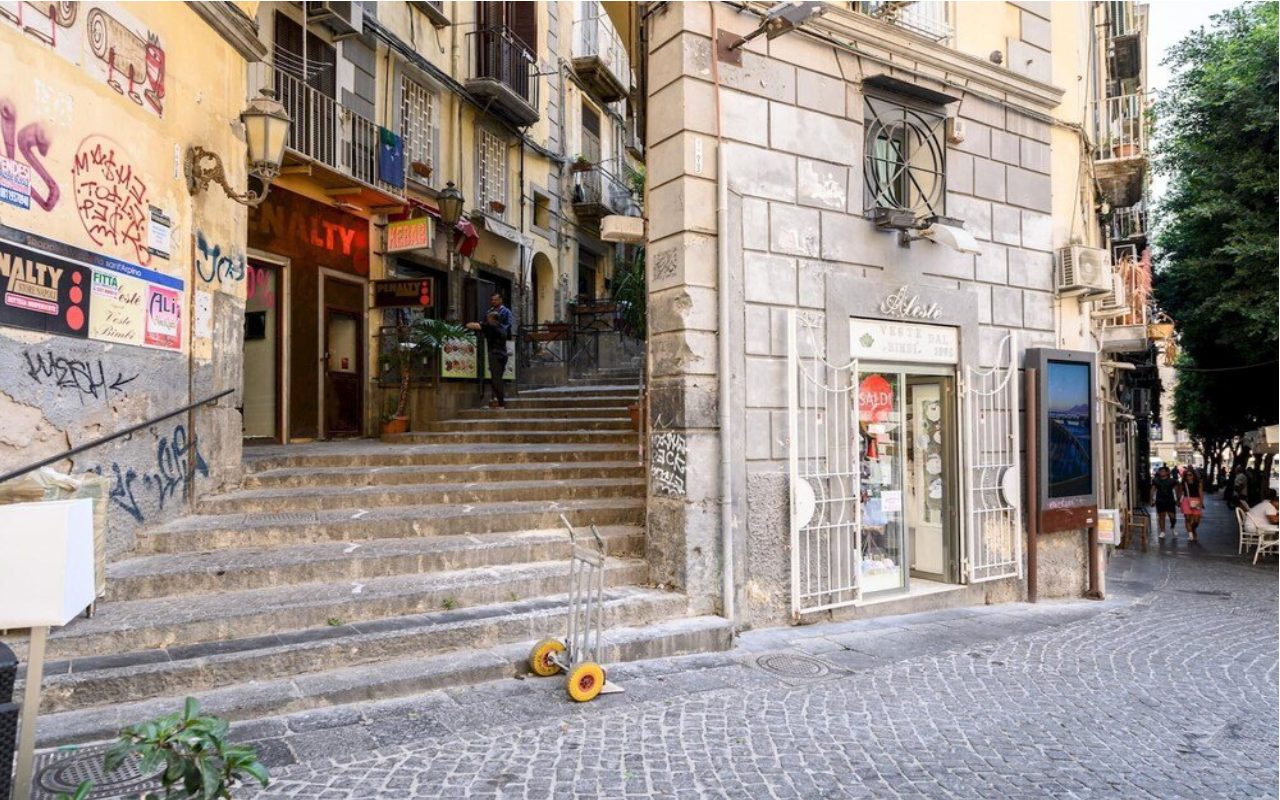 Discover Vicoletto Sant'Arpino: History and Beauty of Naples
There are corners of Naples that tell incredible stories, that take your breath away and make it unique, sincere and...Read more
Discover Vicoletto Sant'Arpino: History and Beauty of Naples
There are corners of Naples that tell incredible stories, that take your breath away and make it unique, sincere and...Read more -
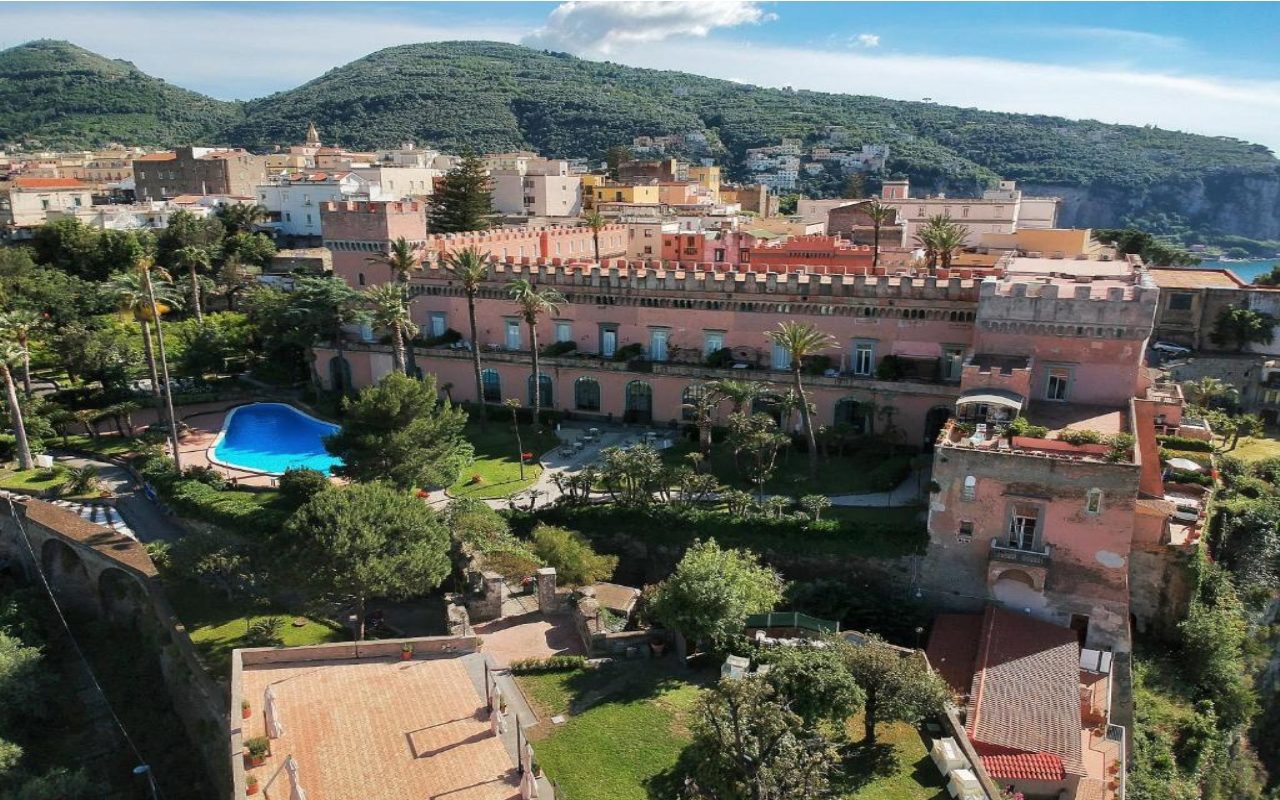 Giusso Castle: the legends of Vico Equense
Built at the end of the 13th century, Giusso Castle was designed as both a military fortress and a residence.Read more
Giusso Castle: the legends of Vico Equense
Built at the end of the 13th century, Giusso Castle was designed as both a military fortress and a residence.Read more -
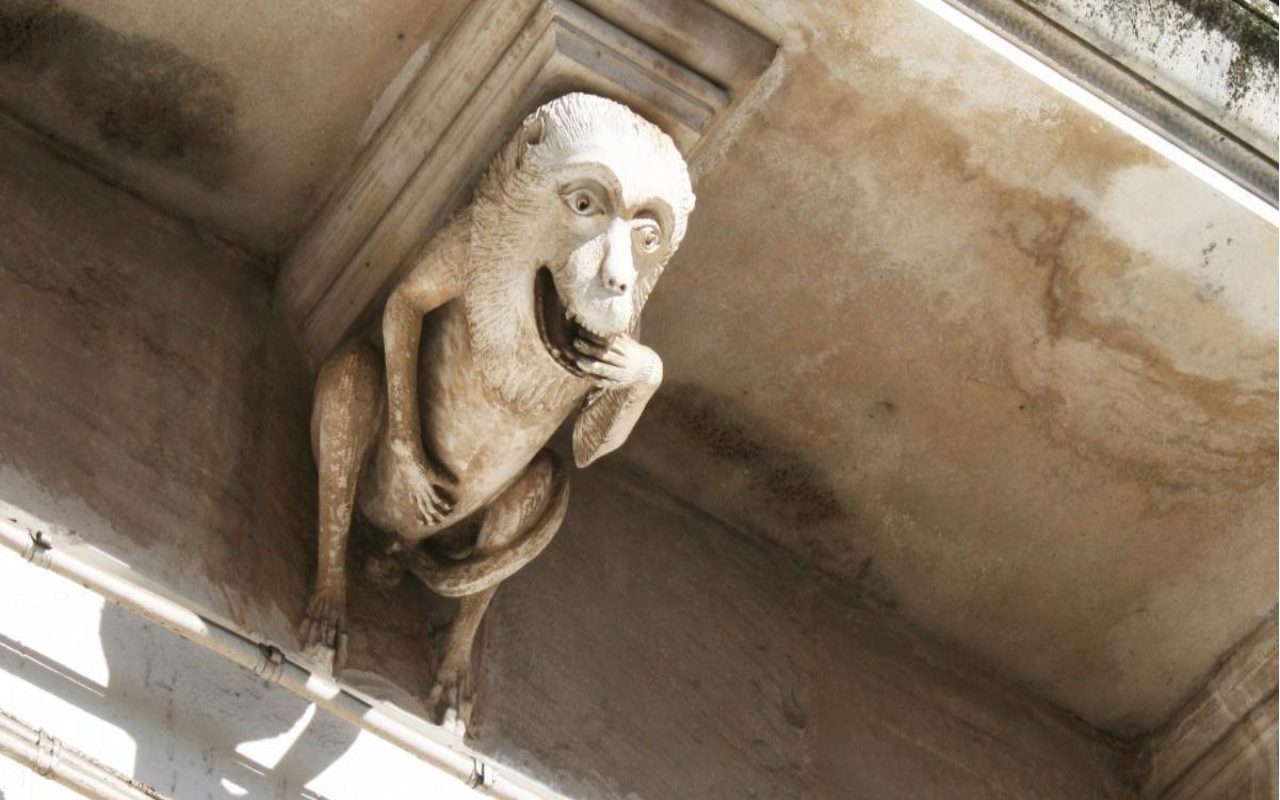 The apotropaic stone masks of lava rock and marble
Neapolitan apotropaic masks are truly fascinating works of art that can be admired on numerous historic buildings...Read more
The apotropaic stone masks of lava rock and marble
Neapolitan apotropaic masks are truly fascinating works of art that can be admired on numerous historic buildings...Read more -
 THE ROYAL PALACE OF CARDITELLO
The Tenuta Storica di Carditello (Historic Estate of Carditello), also known as the Reggia di Carditello (Royal...Read more
THE ROYAL PALACE OF CARDITELLO
The Tenuta Storica di Carditello (Historic Estate of Carditello), also known as the Reggia di Carditello (Royal...Read more
Leave a comment