



Dal 13 Sant'Antonio al 90 'a paura: viaggio tra i numeri della Smorfia napoletana più cercati. Nome in napoletano,...
Latest posts
-
 I numeri della Smorfia napoletana che tutti cercano (e cosa significano davvero)Read more
-
 Cara matre: meaning and why it's the most Neapolitan exclamation there isRead more
A car braking suddenly, a hefty bill, unexpected news: from the mouth of a Neapolitan, out it comes. "Cara matre"...
-
 Neapolitan Tombola: the history, the panariello and the 90 numbers of the SmorfiaRead more
Neapolitan tombola is the family ritual of the festive season: from the panariello (the basket used to draw the...
-
 Hoodie or T-shirt? Ten gifts under 40 euros for Naples loversRead more
There's always that moment when you need to find a gift and your budget says one thing while your heart says another....
-
 Stai sciuoto: the meaning and use of 'stay loose', and why we love it so muchRead more
A friend sees you tense and gives you a "Stai sciuoto!" (stay loose!) with a pat on the shoulder. In those two words...
-
 Neapolitan Christmas gifts: the definitive 2026 guideRead more
The longest guide of the year to get your gift right: ideas sorted by recipient and budget, with Neapolitan spirit...
-
 Regno delle Due Sicilie, the symbols: Elegant Borbonic and the Cavalluccio Rosso to wearRead more
Bourbon lilies and De Crescenzo's little red horse: the story of the symbols of the Regno delle Due Sicilie and of a...
-
 'O Munaciello: the legend, the mischief and the coins under the pillowRead more
There's a noise in the old house, an object that disappears and then reappears, a coin found on the floor. In Naples...
-
 How to choose your T-shirt size (and make it last): the Tattà® guideRead more
Sizes, fabrics and prints explained plainly, with the honesty of someone who really wears 'a maglietta' (Neapolitan...
-
 Original Neapolitan graduation gift: ideas for the graduate (him and her)Read more
In Naples, a graduation is never a private affair: it's a neighbourhood celebration. Here's how to choose an original...
Blog categories
Search in blog
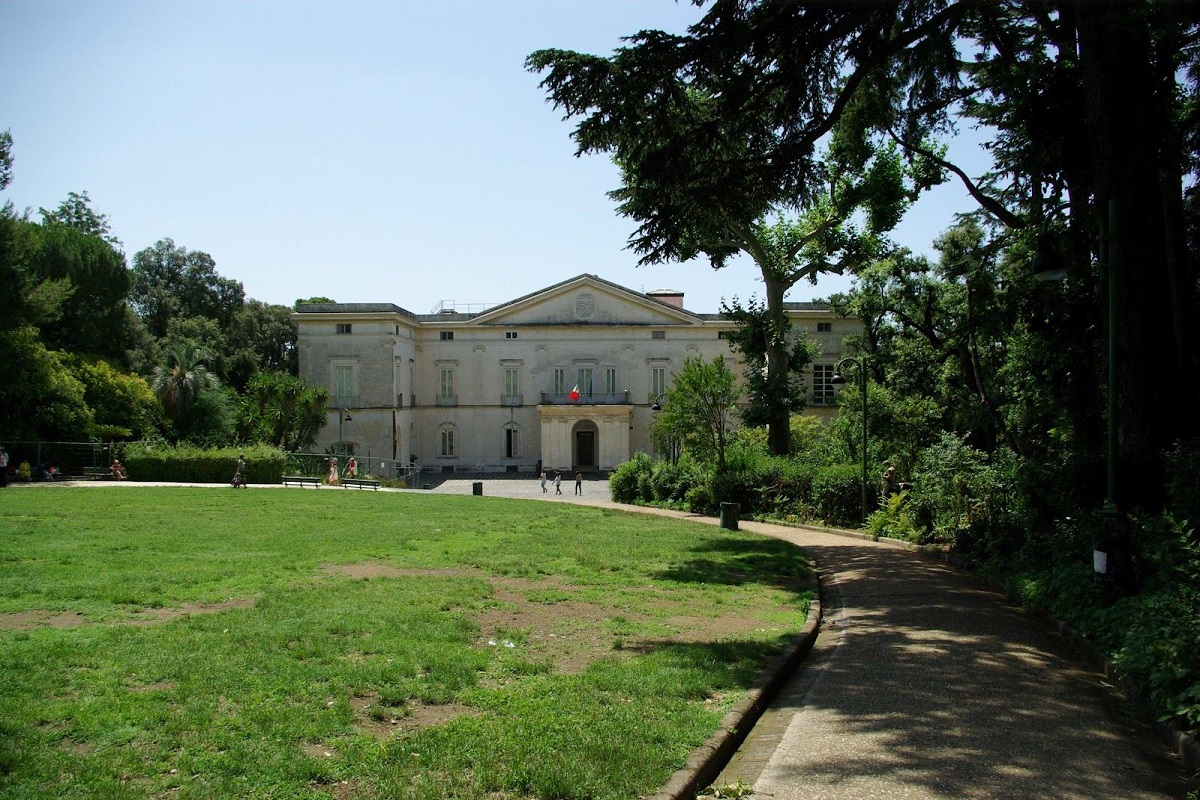
Villa Floridiana and the Ceramics Museum
Villa Floridiana is a site of historic and artistic interest in Naples. The complex was once part of the buildings used by the Bourbon royals and, since 1927, has also housed the Duca di Martina National Ceramics Museum.
by Alessia Giannino
Villa Floridiana is a site of historic and artistic interest in Naples.
The complex was once part of the buildings used by the Bourbon royals and, since 1927, has also housed the Duca di Martina National Ceramics Museum.
History
Floridiana was purchased in 1815 by Ferdinand IV of Bourbon for his wife Lucia Migliaccio, Duchess of Floridia, widow of Prince Benedetto III Grifeo di Partanna, from whom the name derives.
Later, in 1917, the king also purchased the neighbouring property, gaining a second entrance towards Chiaia. The architect Antonio Niccolini was tasked with restructuring the old building, creating the villa in neoclassical style with an extensive romantic-style park, complete with avenues and paths designed and laid out by Friedrich Dehnhardt, director of the Botanical Garden of Naples. He adorned the park with 150 species of plants, including holm oaks, palms, pines, plane trees, box hedges and a rich collection of camellias.
When the works were completed, the complex included two villas: Villa Lucia and Villa Floridia, along with an open-air theatre, a small circular temple and greenhouses. Upon the death of Ferdinand IV and his wife, the entire complex was inherited by the children from the duchess's first marriage. Villa Lucia and part of the park were later sold to Count Pasquale Mancini, who made it his family residence. Floridiana and the rest of the park, on the other hand, were purchased by the State in 1919, which displayed there the ceramic collections of the Duke of Martina.
Today
Today the museum houses a very rich collection of objects from the second half of the nineteenth century, collected and donated to the city of Naples in 1911 by the Duke himself. As for the villa's furnishings and decorations, very little remains: mythological deities, nymphs and sea monsters were rendered in stucco or painted against light green and lilac backgrounds. The decoration of the great gallery, however, is still visible today and, at the centre of the two main walls, features two marble fireplaces with Ionic columns topped by large mirrors. The vault was painted by Giuseppe Cammarano.
As for the museum, it is spread over three floors:
- on the ground floor, alongside some paintings, are displayed ivories, enamels, tortoiseshell, corals and bronzes from the medieval and Renaissance periods, Renaissance and Baroque majolica, glass and crystal from the 15th–18th centuries, furniture, small chests and decorative objects;
- on the first floor, visitors can admire the collection of European porcelain from the 18th century, made up of groups from the most important eighteenth-century manufacturers — Meissen, Doccia, Naples and Capodimonte — as well as French, German and English porcelain.
- on the basement floor, finally, a section of Oriental art objects has been rearranged in recent years, notably including the collection of Chinese porcelain from the Ming (1368–1644) and Qing (1644–1911) dynasties, as well as Japanese Kakiemon and Imari pieces.
Address and contacts
Address: via Cimarosa, 77 / via Aniello Falcone, 171 - 80127 Naples
Tel. 081.5788418/5569803/2294700/0815781776
Web: pm-cam.martina@beniculturali.it / mbac-pm-cam@mailcert.beniculturali.it
Posted in:
Places in Naples
Related posts
-
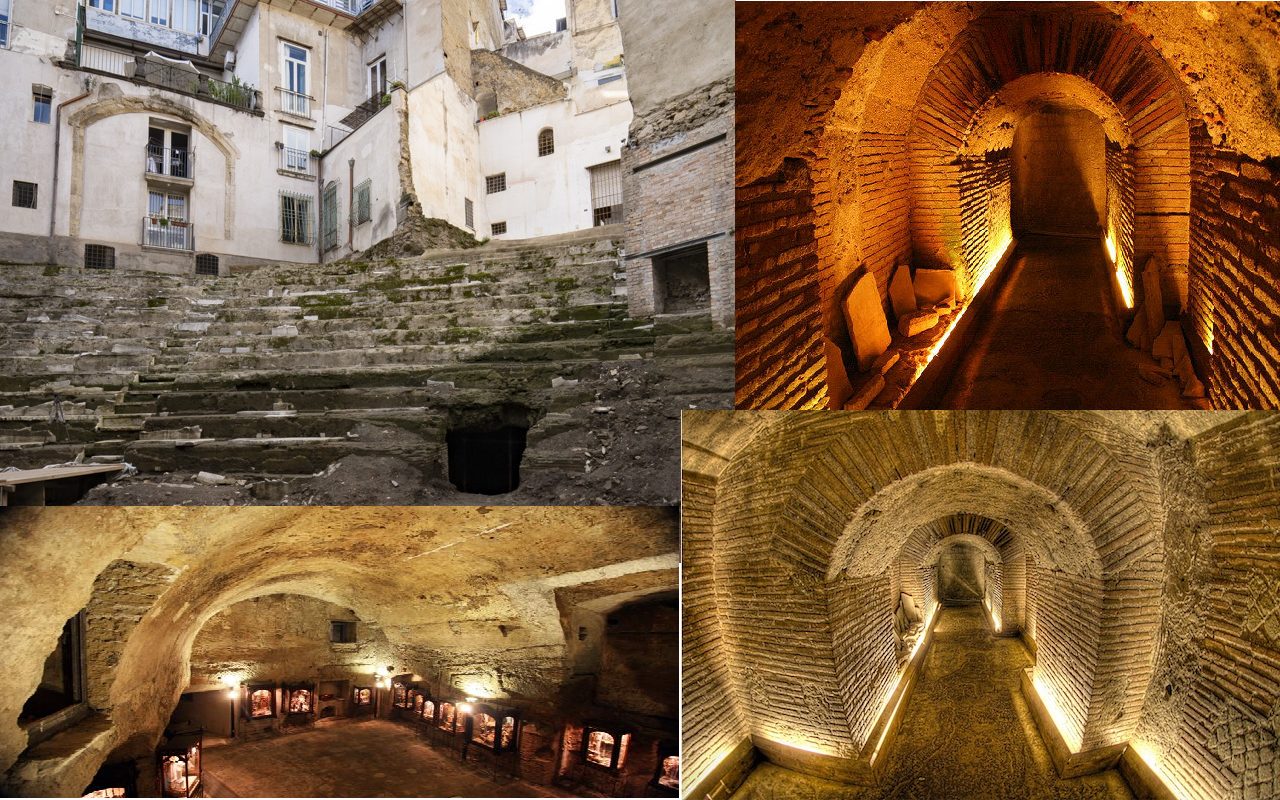 The Roman Theatre of Neapolis
Among the many wonders of Naples' historic centre stands the ancient Roman Theatre of Neapolis, between what are now...Read more
-
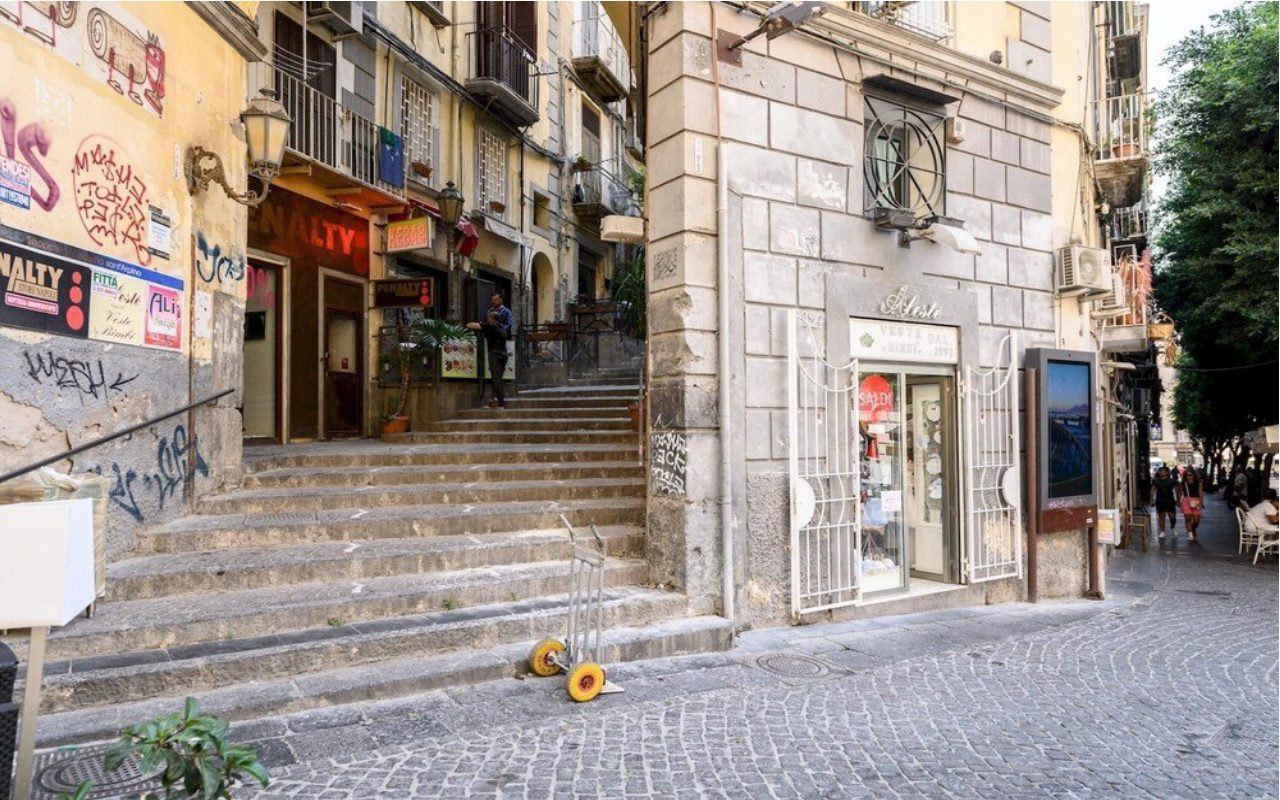 Discover Vicoletto Sant'Arpino: History and Beauty of Naples
There are corners of Naples that tell incredible stories, that take your breath away and make it unique, sincere and...Read more
-
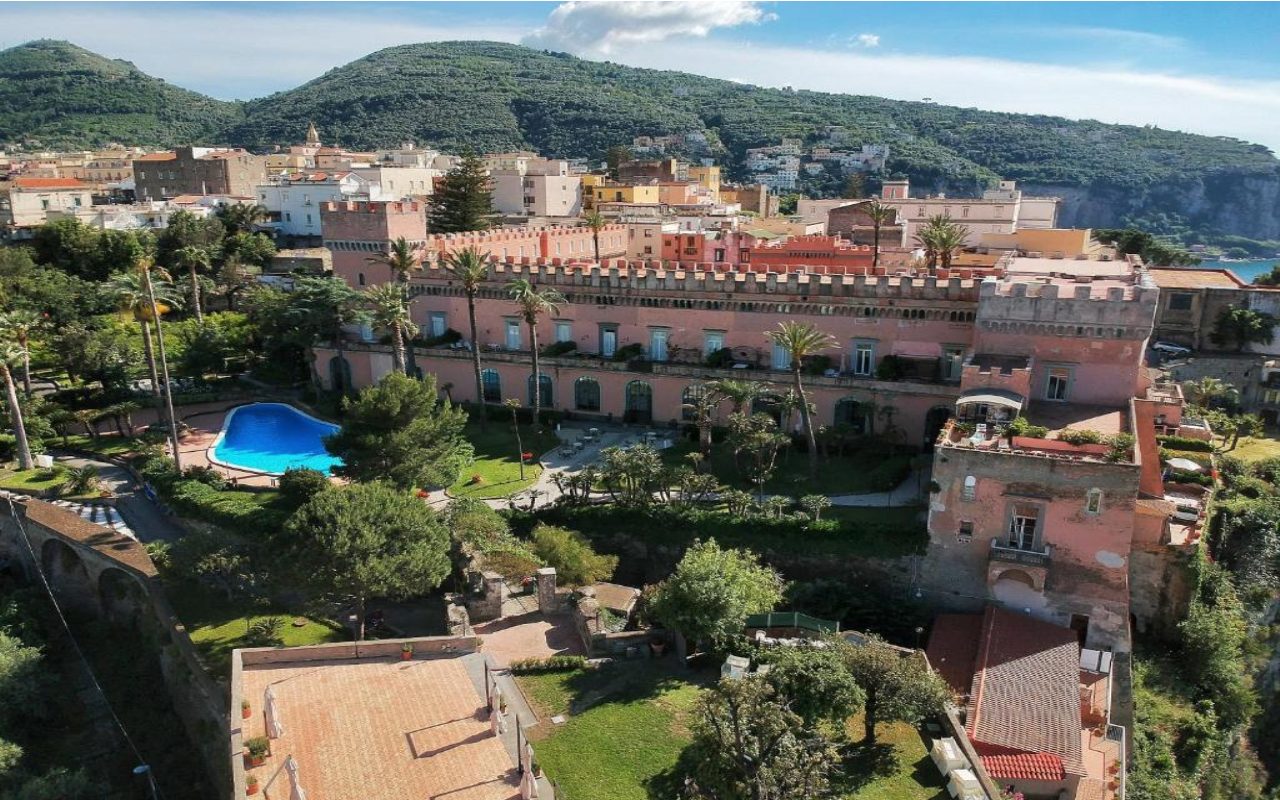 Giusso Castle: the legends of Vico Equense
Built at the end of the 13th century, Giusso Castle was designed as both a military fortress and a residence.Read more
-
 The apotropaic stone masks of lava rock and marble
Neapolitan apotropaic masks are truly fascinating works of art that can be admired on numerous historic buildings...Read more
-
 THE ROYAL PALACE OF CARDITELLO
The Tenuta Storica di Carditello (Historic Estate of Carditello), also known as the Reggia di Carditello (Royal...Read more
Leave a comment