
Latest posts

Latest posts

  • Babà: what's its story and where can you eat the best ones?
    Babà: what's its story and where can you eat the best ones?

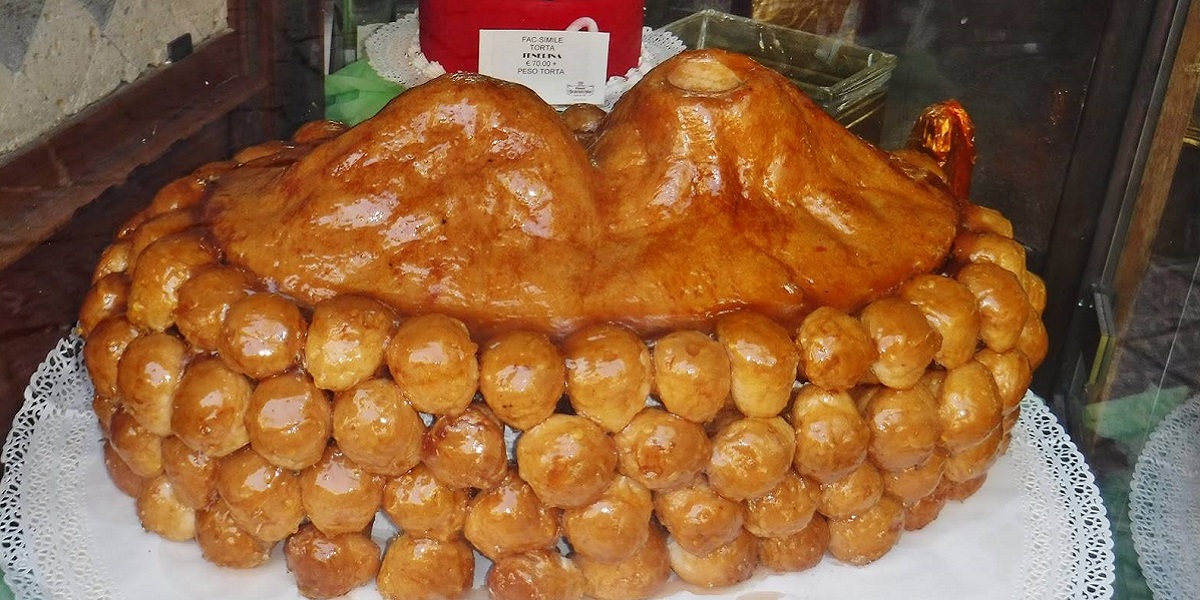
    It's a leavened baked dessert, originally from Poland, as mentioned, and called babka ponczowa. Later, French pastry chefs gave it the name baba, which was, finally, transformed by Neapolitans into "babà"(...)

    Read more
  • Lingue di Procida: a typical Neapolitan pastry treat
    Lingue di Procida: a typical Neapolitan pastry treat

    Lingua di Procida is a Neapolitan pastry originally from Procida, often found in the best pastry shops in Naples too.

    Read more
  • Easter for Neapolitans: cuisine and traditions
    Easter for Neapolitans: cuisine and traditions

    “Natale con i tuoi, Pasqua con chi vuoi” (Christmas with your family, Easter with whoever you like) says the proverb – though in Naples this simply doesn't hold true. Easter, in fact, like any self-respecting festivity, is marked by historic rites and traditions, and must be spent strictly with the family.

    Read more
  • Fuorigrotta: the Roman Baths of Via Terracina
    Fuorigrotta: the Roman Baths of Via Terracina

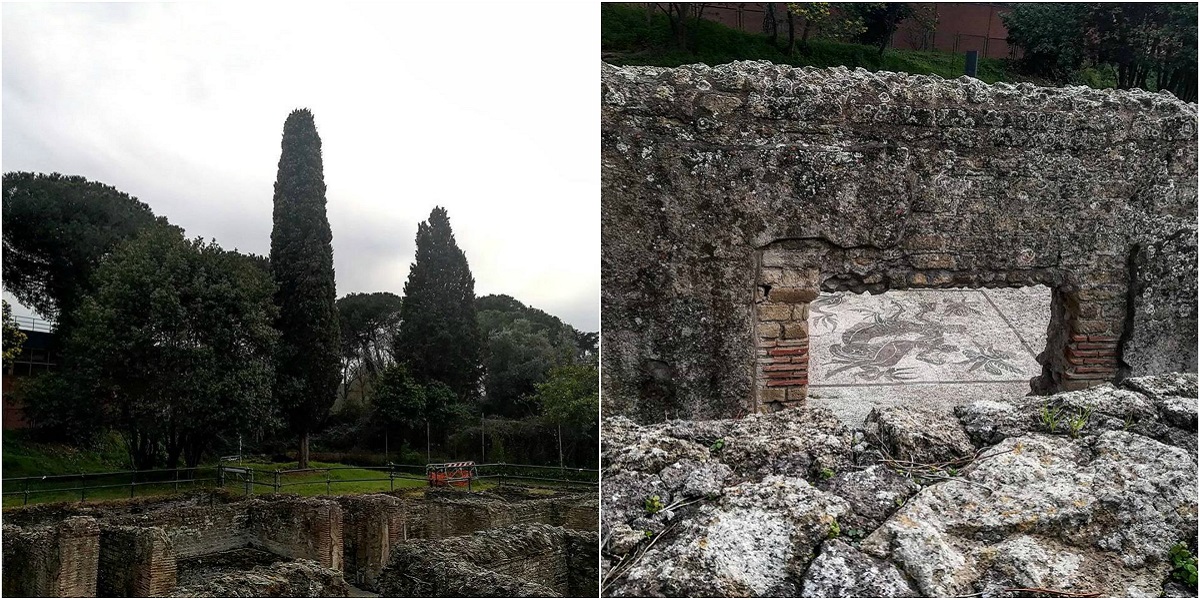
    An artery linking Agnano, and therefore Pozzuoli, to Fuorigrotta, Soccavo and Vomero, travelled every day by an endless number of people heading to work, school or the nearby University of Monte Sant'Angelo: we're talking about Via Terracina, a road that, until not so long ago, wasn't even "split" by the compulsory junction now found on Via Cinthia, and which hides ancient stories

    Read more
  • The Flavian Amphitheatre, Pozzuoli's Colosseum
    The Flavian Amphitheatre, Pozzuoli's Colosseum

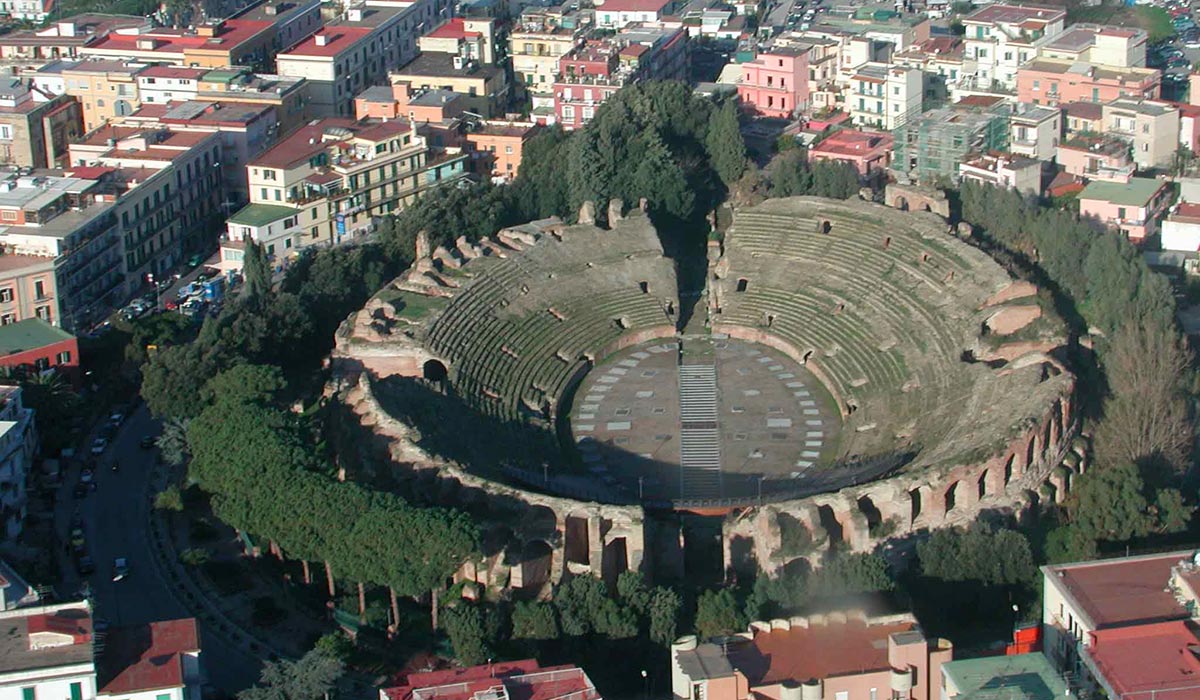
    We saw it with the ancient Thermal Complex located in Fuorigrotta, on Via Terracina, and we realise it again in Pozzuoli, where the marvellous Flavian Amphitheatre stands, second in capacity only to the Colosseum and the Campanian Amphitheatre of Capua, thanks to a cavea that could hold up to 40,000 spectators(...)

    Read more
  • Castel Sant'Elmo: a fortress in the heart of Naples
    Castel Sant'Elmo: a fortress in the heart of Naples

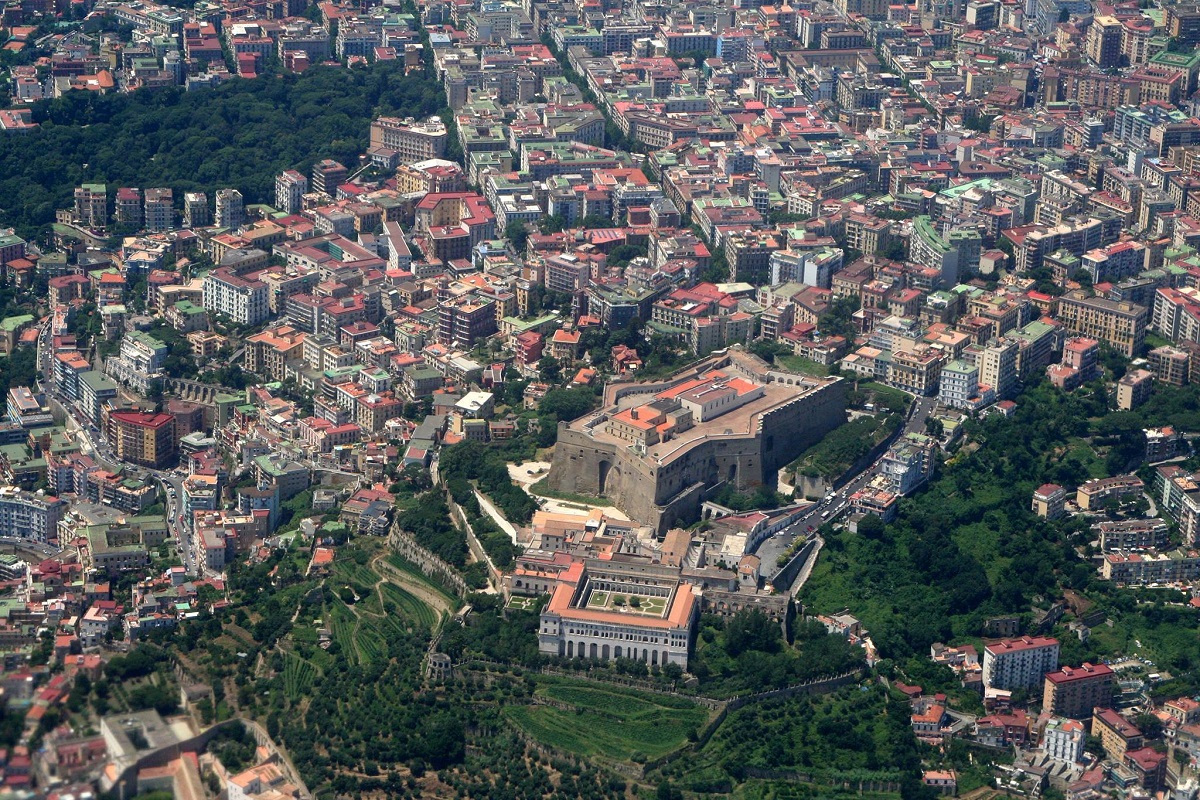
    Work on the “Palatinum Castrium” began in 1329 and was completed, under the reign of Joan of Anjou, in 1343, thanks to designs first drawn up by Tino da Caimano, the Tuscan architect who also designed the well-known Certosa di San Martino (Charterhouse of San Martino), and, after his death, by Attanasio Primario and Francesco di Vico(...)

    Read more
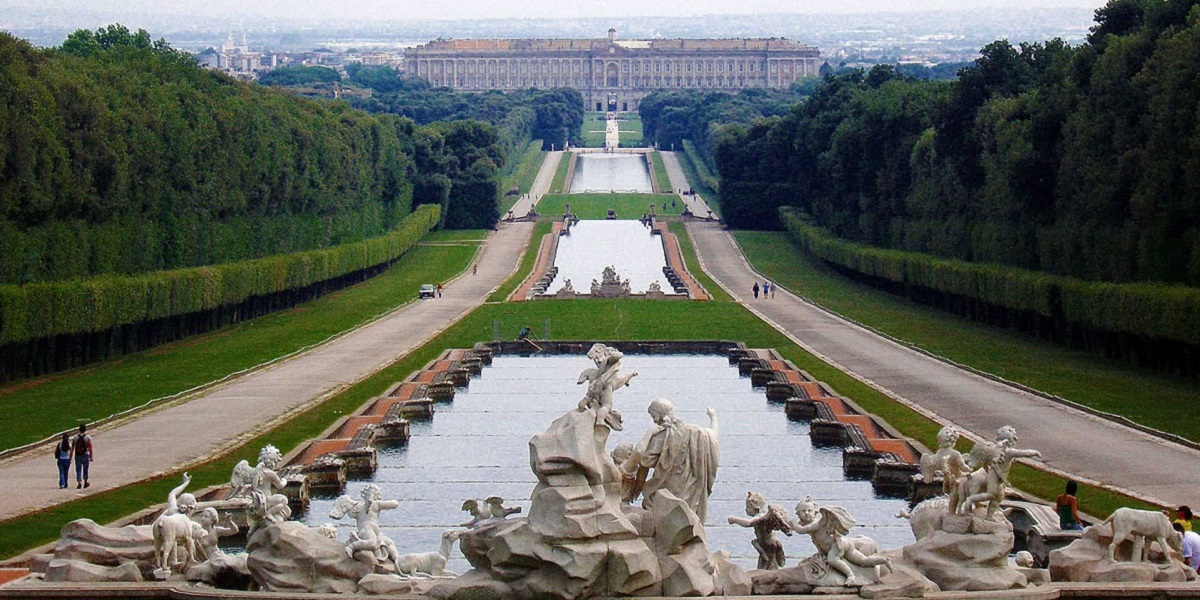
  • The Royal Palace of Caserta, the little Versailles
    The Royal Palace of Caserta, the little Versailles

    The project, entrusted to the innovative and skilled hands of Luigi Vanvitelli, called for, besides the construction of the Royal Palace itself, the completion of an aqueduct (today’s Carolino Aqueduct), a park, the redevelopment of the surrounding urban area and the building of a grand avenue leading all the way to the city of Naples (this last part was only partly carried out).

    Read more
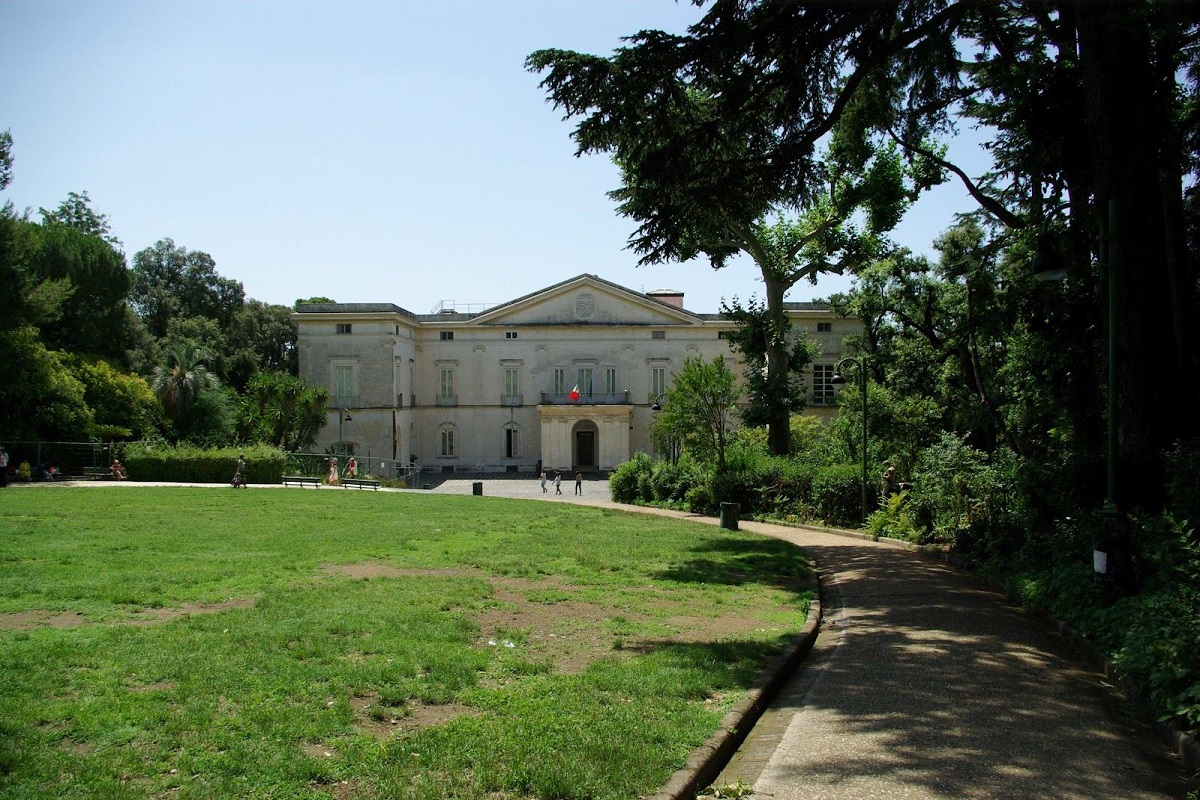
  • Villa Floridiana and the Ceramics Museum
    Villa Floridiana and the Ceramics Museum

    Villa Floridiana is a site of historic and artistic interest in Naples. The complex was once part of the buildings used by the Bourbon royals and, since 1927, has also housed the Duca di Martina National Ceramics Museum.

    Read more
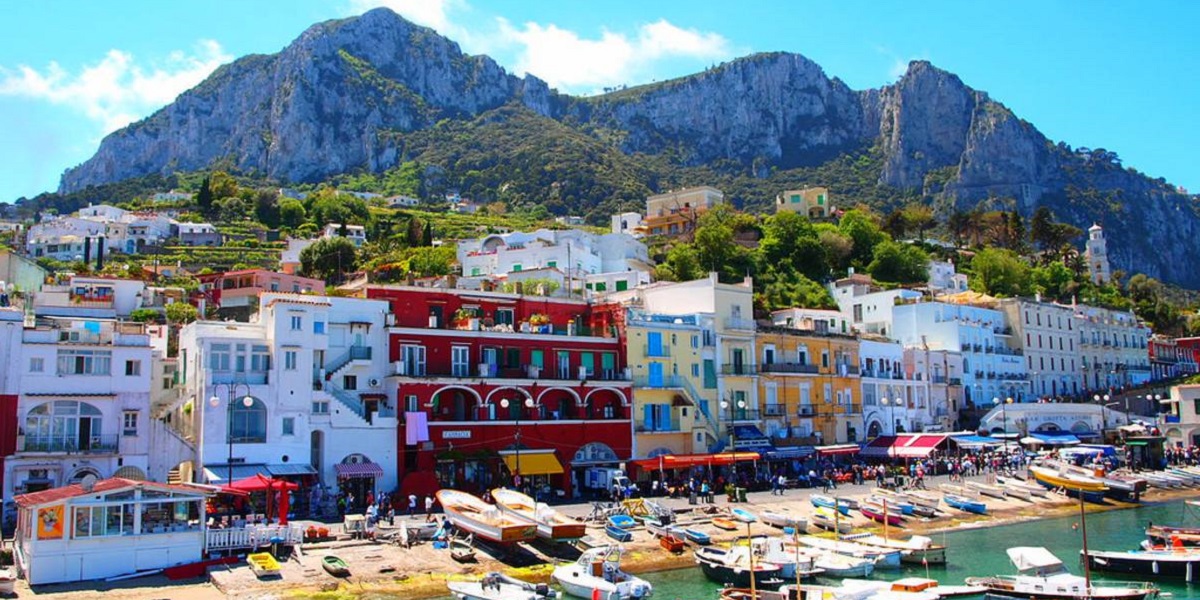
  • A day on Capri
    A day on Capri

    Of the three islands in the Campania archipelago, Capri is the most fascinating, drawing huge numbers of tourists and, above all, famous faces. For first-time visitors, there are certain things you simply must do and see.

    Read more
  • The "Vera Pizza Napoletana" Association
    The "Vera Pizza Napoletana" Association

    For some time now, however, there has been a non-profit association dedicated to defending and protecting true Neapolitan pizza around the world, made according to the ancient traditions and customs of Naples: the Associazione Verace Pizza Napoletana(...)

    Read more
Showing 141 to 150 of 243 (25 Pages)