Latest posts

Latest posts

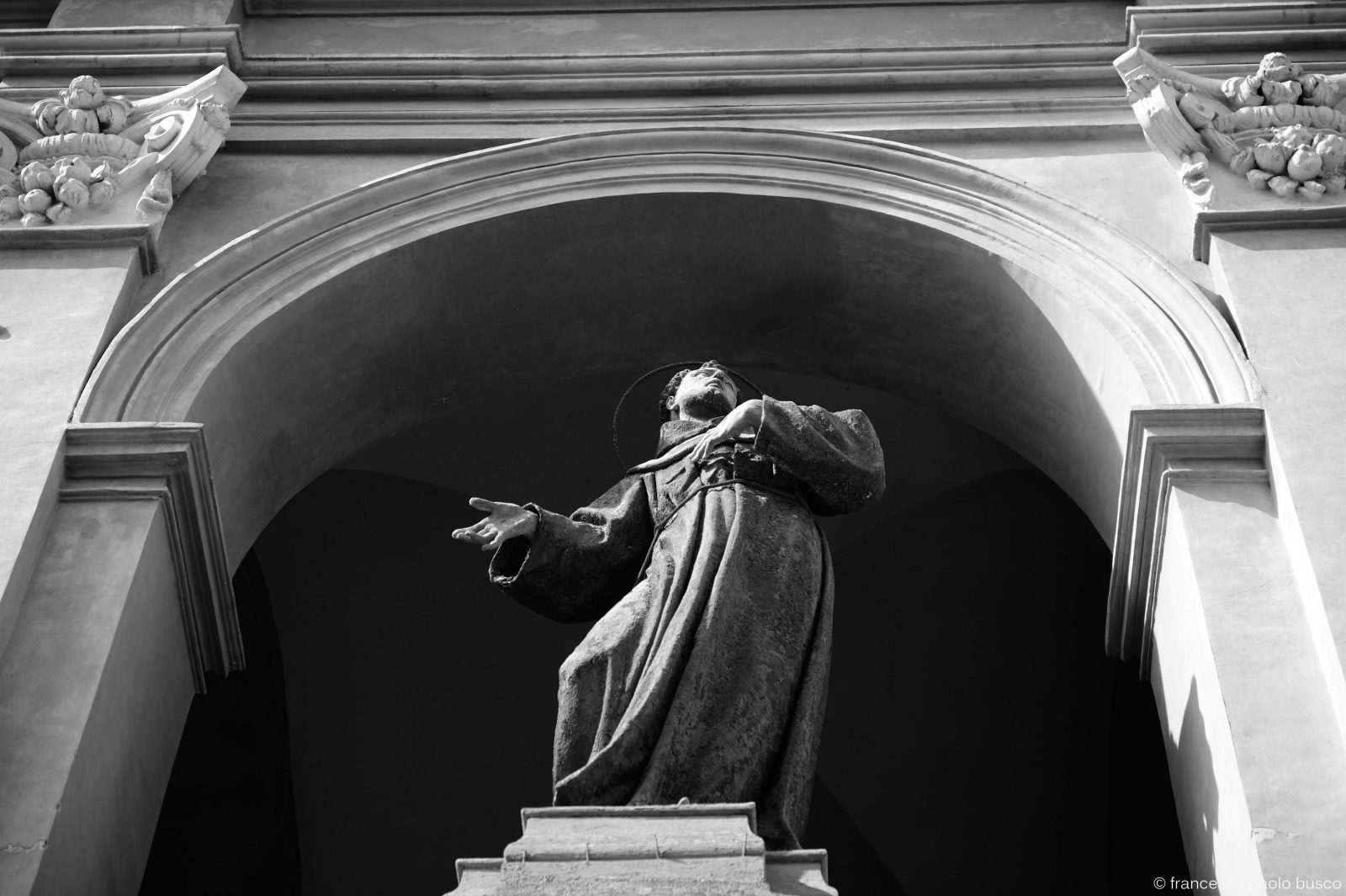
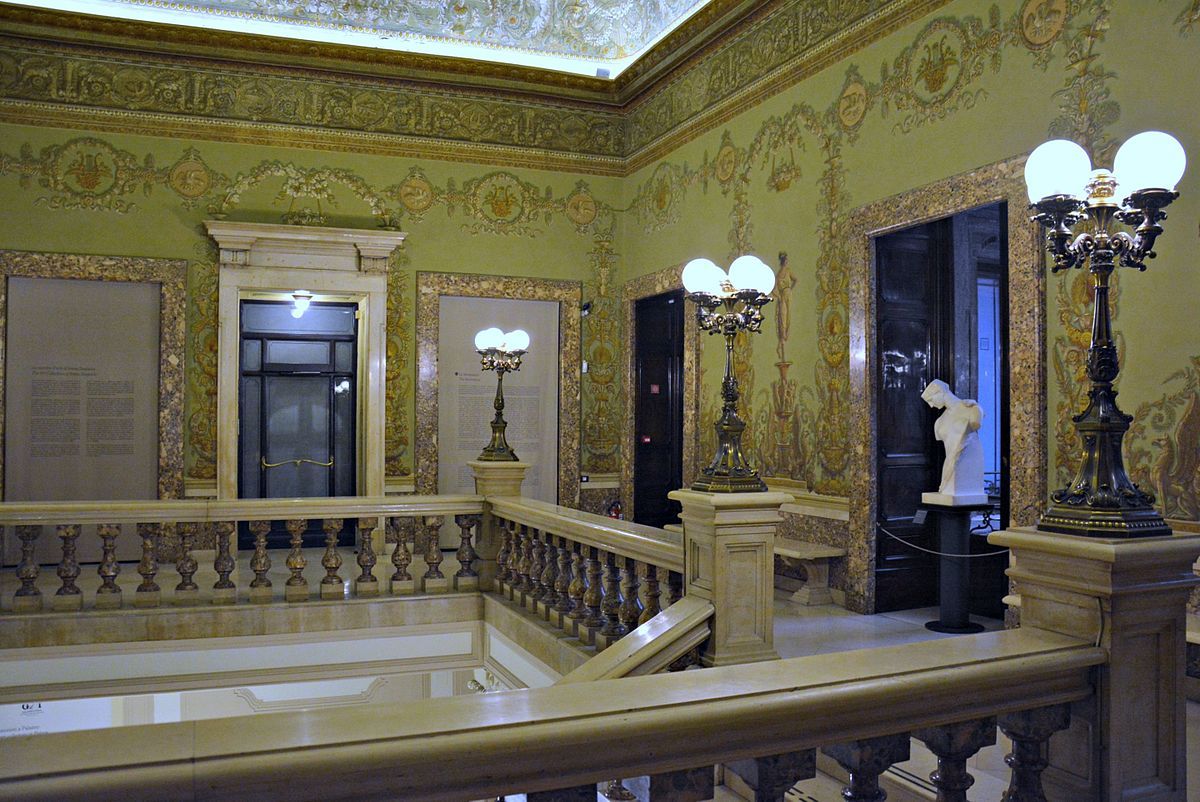
  • The Complex of San Francesco degli Scarioni, a Prato legacy
    The Complex of San Francesco degli Scarioni, a Prato legacy

    Leonardo Scarioni was a merchant of Prato origin who moved to Naples and spent the rest of his life there, dying without leaving any heirs(...)
    Read more
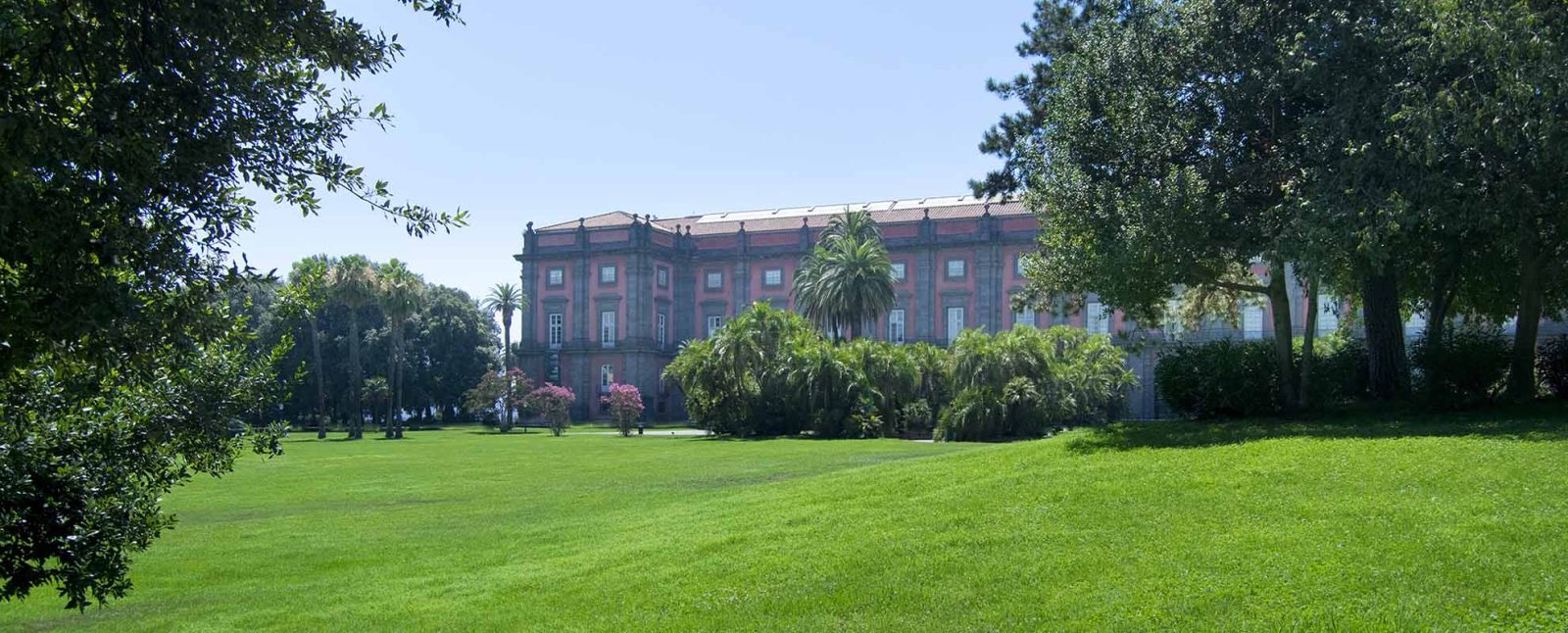
  • The Royal Palace of Capodimonte and the Hermitage of the Capuchins
    The Royal Palace of Capodimonte and the Hermitage of the Capuchins

    In 1742, under the architect Ferdinando Sanfelice, work also began on laying out the hundred and twenty-four hectares of the adjoining park: from an elliptical clearing opening in front of the palace, the architect had five avenues set out, from which smaller paths branched off crossing the woodland.

    Read more
  • Palazzo Zevallos and the Gallery of Entertainment
    Palazzo Zevallos and the Gallery of Entertainment

    The building was commissioned by Giovanni Zevallos, a wealthy Spanish merchant who, in 1635, entrusted its construction to Cosimo Fanzago for his family(...)

    Read more
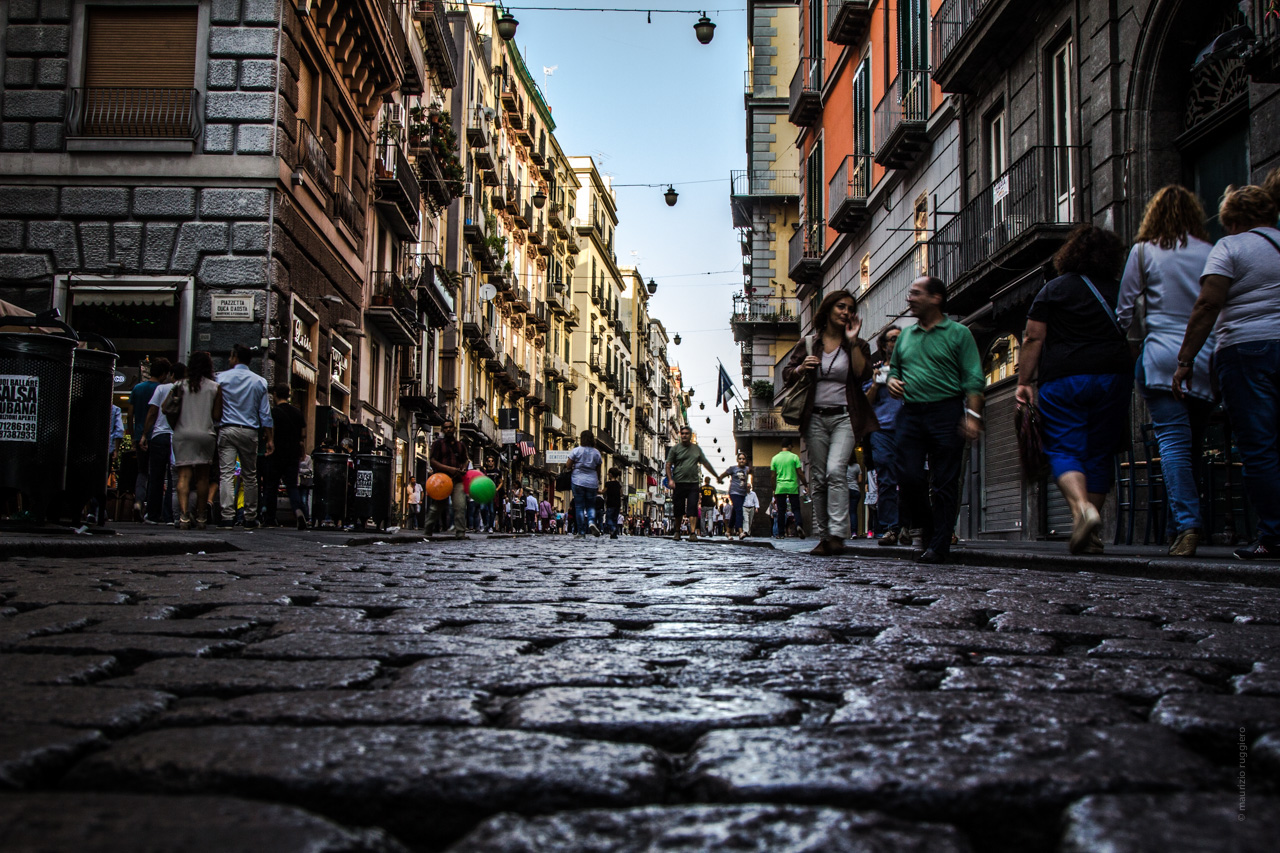
  • The Rione Carità: origins, history and evolution
    The Rione Carità: origins, history and evolution

    One of the many places that represents its beating heart is the Rione Carità, which stretches out in the very centre of the city, in the San Giuseppe district, and is bordered to the north by via Armando Diaz and piazza Matteotti, to the west by via Toledo, to the south by piazza Municipio and via San Giacomo and, finally, to the east by via Medina.

    Read more
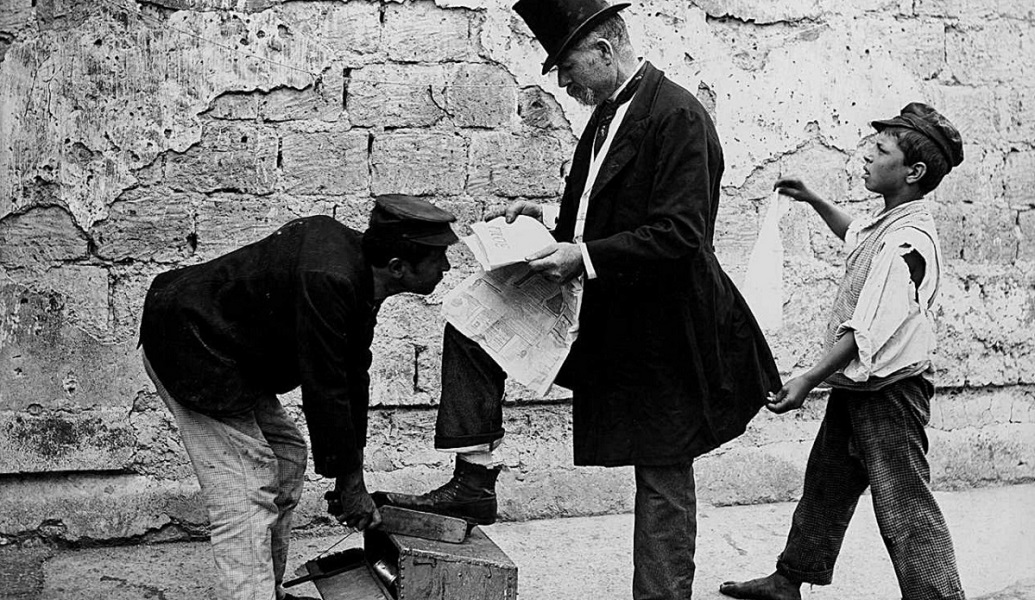
  • Old trades: the sciuscià
    Old trades: the sciuscià

    Sciuscià is a word born, precisely, in relation to this practice, which developed between children and soldiers, with the former being hired by the latter, mainly as shoeshiners(...)

    Read more
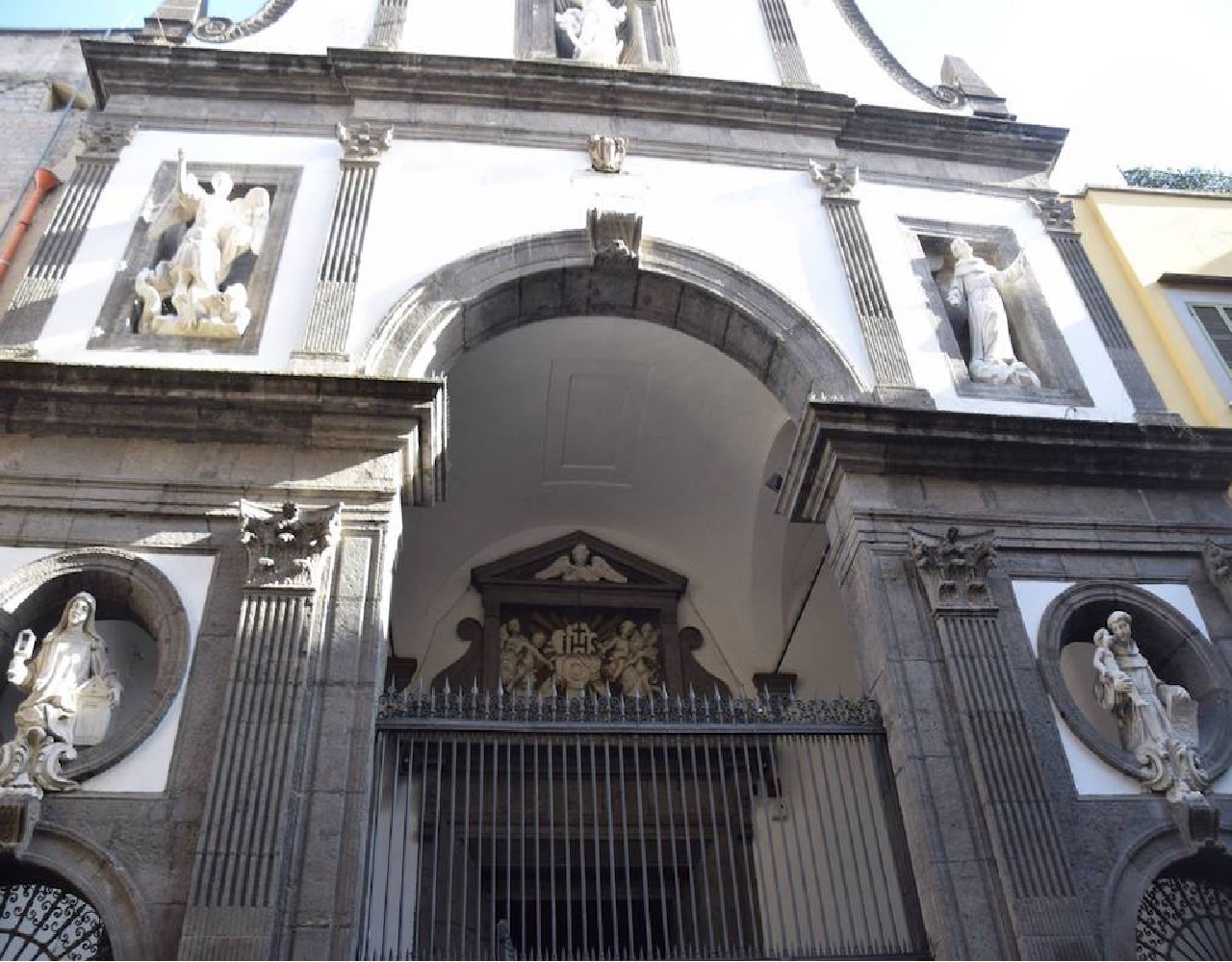
  • Chiesa del Gesù delle Monache (Church of the Jesus of the Nuns)
    Chiesa del Gesù delle Monache (Church of the Jesus of the Nuns)

    The Chiesa del Gesù delle Monache (Church of the Jesus of the Nuns) is a church in Naples, located near Piazza Cavour, just beyond Porta San Gennaro (St Januarius' Gate), in the historic centre: flanked by a convent, it serves as a parish church, a title it inherited from the nearby, now-destroyed church of San Giovanni in Porta (St John in Porta).

    Read more
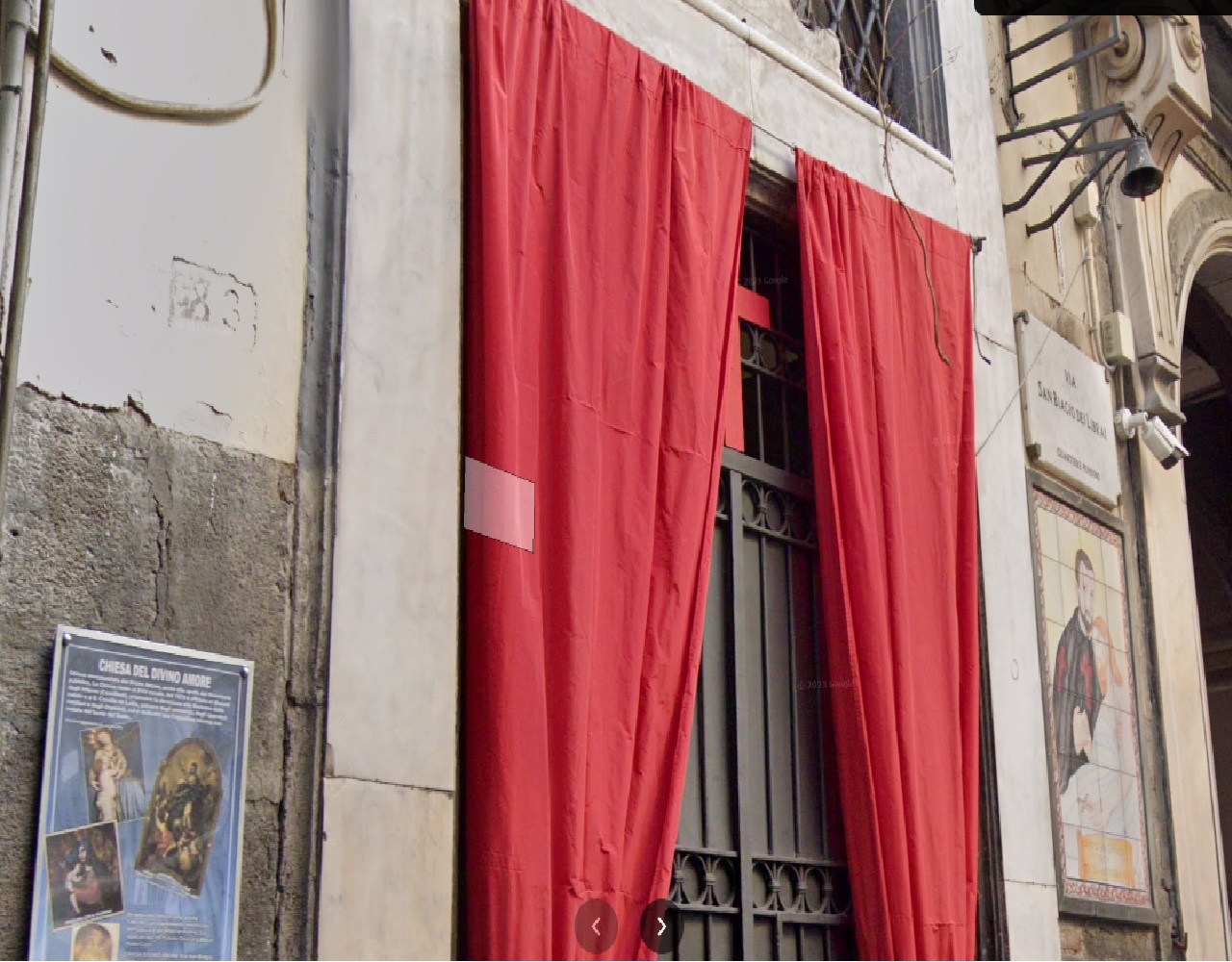
  • Chiesa del Divino Amore (Church of the Divine Love)
    Chiesa del Divino Amore (Church of the Divine Love)

    The history of the church is similar to that of the convent. The building stands on the site of Palazzo Villani, whose family member Beatrice Villani decided to have the place of worship built there. The church was rebuilt by Giovanni Battista Manni in the early 18th century according to a Greek cross plan; Manni's design gave the structures harmony and proportion.

    Read more
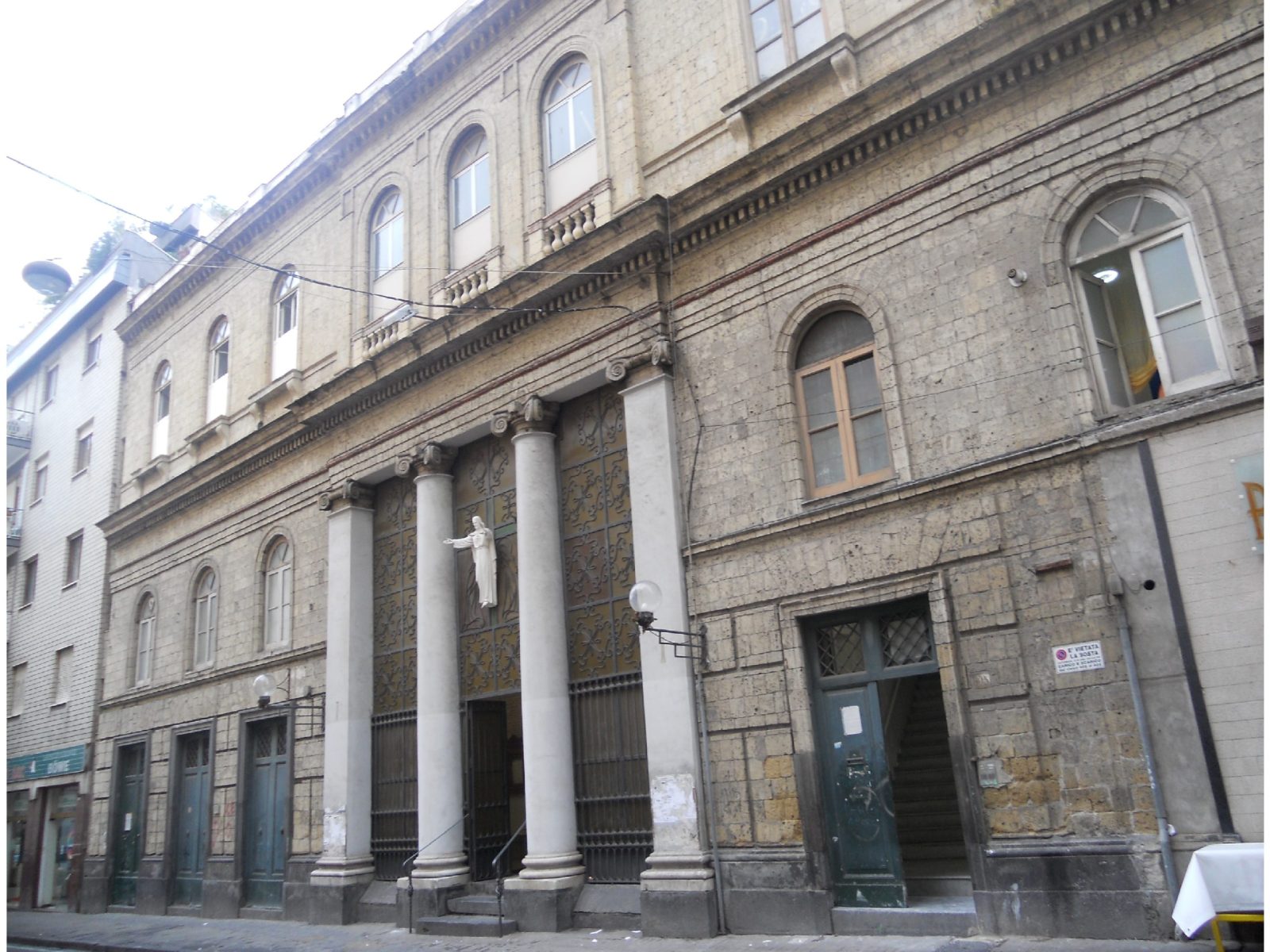
  • Chiesa del Cenacolo (Church of the Cenacle)
    Chiesa del Cenacolo (Church of the Cenacle)

    The Chiesa del Cenacolo (Church of the Cenacle) is a monumental church in Naples, located along Corso Vittorio Emanuele. Nearby you'll also find the church of Santa Maria Apparente and that of Santa Caterina da Siena.

    Read more
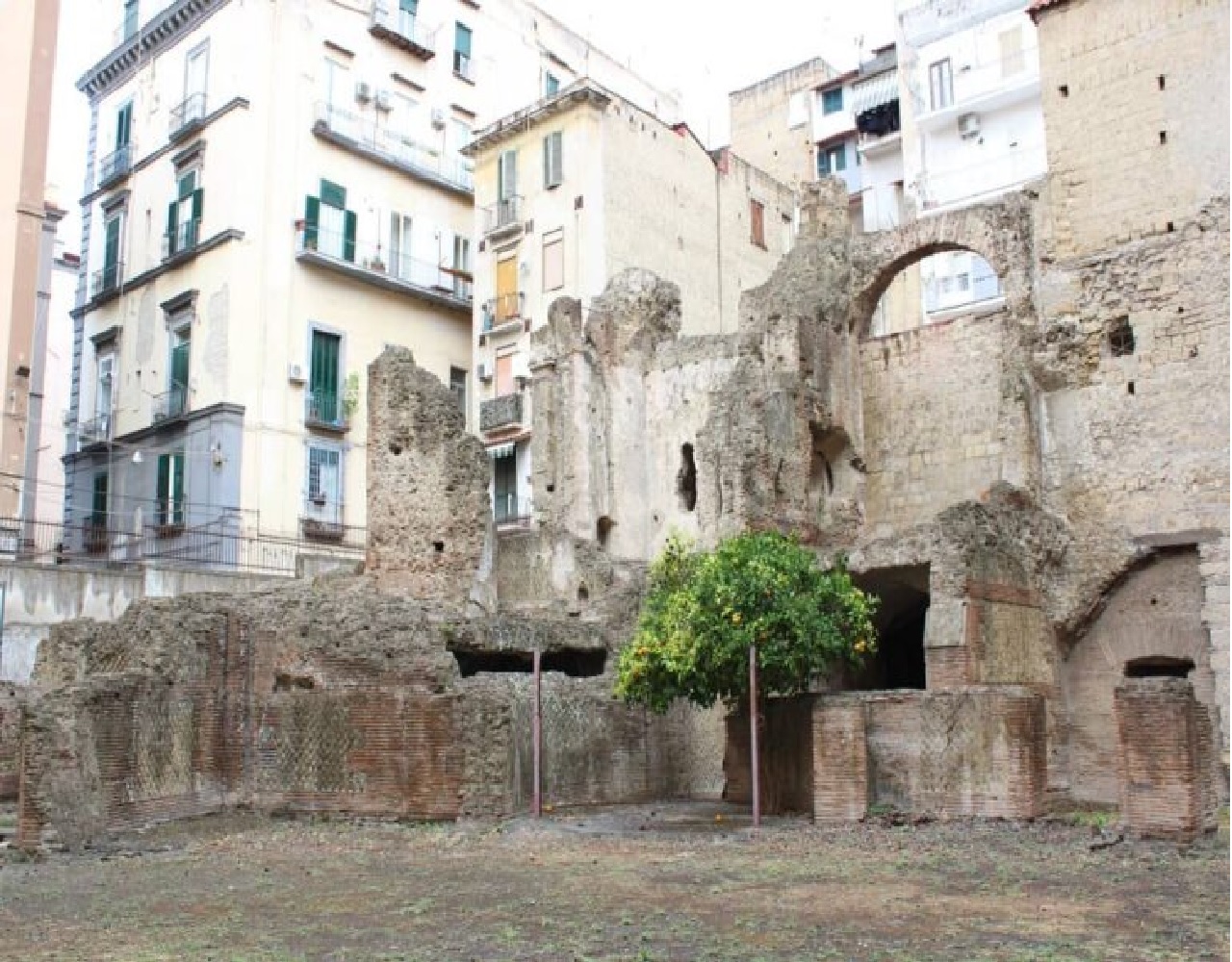
  • Church of Carminiello ai Mannesi
    Church of Carminiello ai Mannesi

    The temple was razed to the ground during an air raid in 1943; amid the rubble it was discovered that the walls and floor of the church concealed the remains of a large Roman-era building, spanning the whole of an insula between the Decumanus Maggiore and the Decumanus Minore. The vast archaeological find took the name Complesso di Carminiello ai Mannesi (Carminiello ai Mannesi Complex).

    Read more
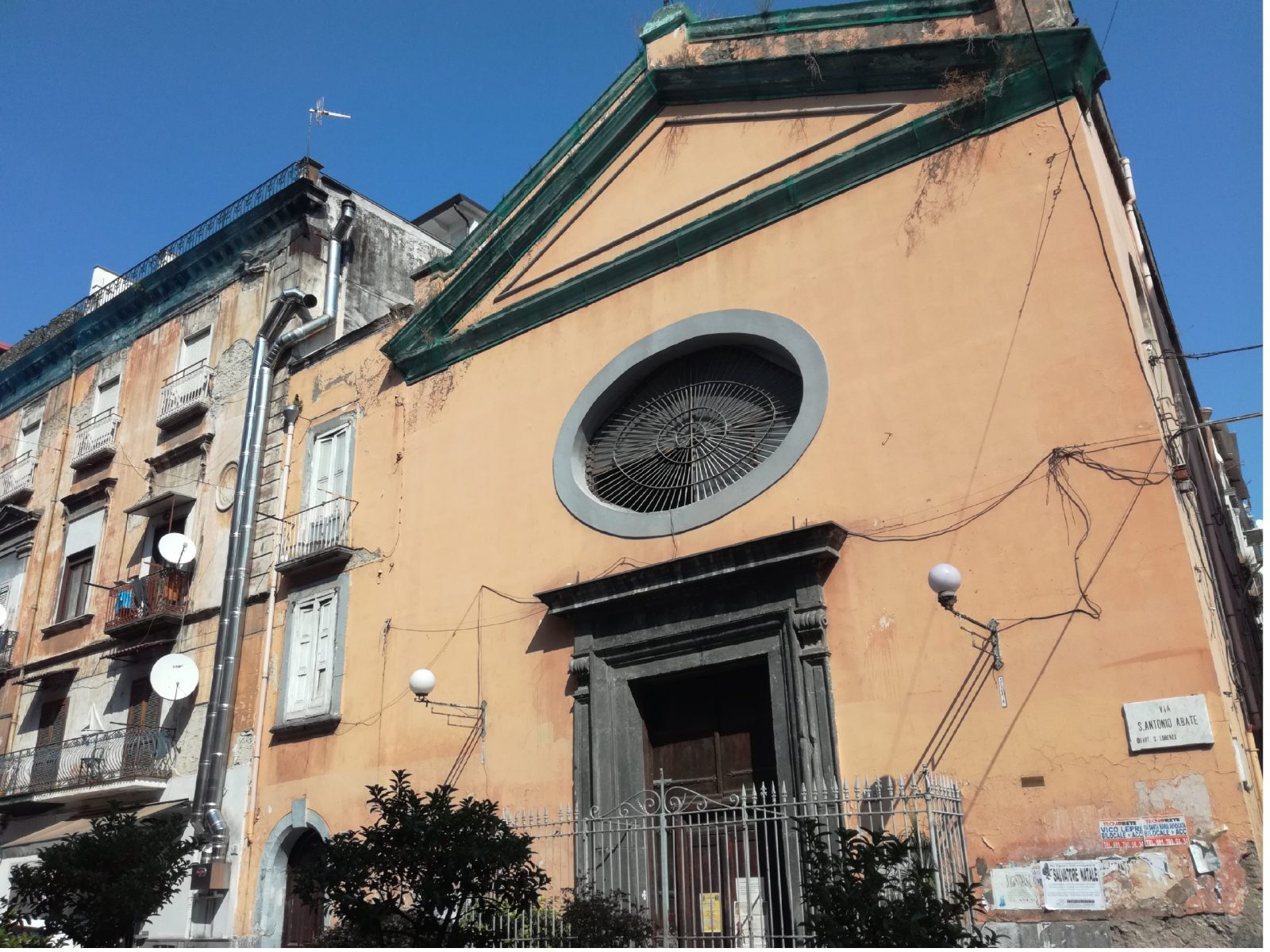
  • Church of All Saints at Borgo Sant'Antonio
    Church of All Saints at Borgo Sant'Antonio

    The church was built in the 15th century, thanks to alms given by the people living in the borgo extramoenia (the district just outside the old city walls), near Porta Capuana. The structure was extensively restored in the centuries that followed and today it forms a picturesque part of the lively local market held among the streets of Borgo Sant'Antonio (known in Neapolitan as ‘Bùvero’).

    Read more
Showing 191 to 200 of 243 (25 Pages)